Elbow Pain Holding You Back? Lift Heavier, Train Smarter: The Essential Guide to Counterforce Braces for Lifters
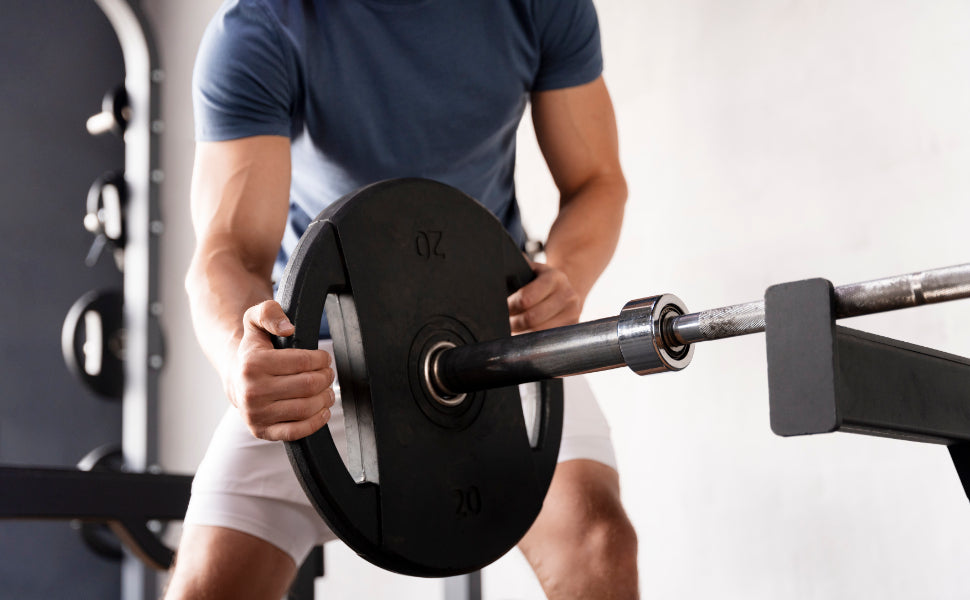
Every serious lifter knows the dedication it takes to build strength and push limits. But what happens when persistent elbow pain threatens to derail your progress, making every bench press, curl, or deadlift a source of dread rather than determination? You're not alone. Many lifters find themselves at a crossroads, evaluating solutions that promise to alleviate pain while allowing them to maintain their rigorous training schedules. The goal isn't just to mask the pain, but to find robust support that empowers you to keep lifting heavy, safely, and effectively.
The Lifter's Elbow Dilemma: When Strength Becomes a Source of Strain
Elbow pain, often diagnosed as medial or lateral epicondylitis (more commonly known as golfer's or tennis elbow), is a common adversary in the world of heavy lifting, CrossFit, and intense manual labor. This isn't just a nuisance; it's a real threat to your routine and long-term joint health. The repetitive stress, high grip forces, and sometimes subtle imbalances in technique during exercises like overhead presses, bicep curls, triceps extensions, and even heavy deadlifts can lead to significant tendon overload. This continuous strain can cause microscopic tears and inflammation at the points where your forearm tendons attach to the bony bumps of your elbow. The result? A nagging, sharp, or burning pain that can spread into your forearm, making basic movements painful, let alone intense training.
While traditional advice often points to rest and ice, dedicated lifters need a proactive strategy. You're looking for something that allows you to continue training, to push through without exacerbating an existing injury or creating a new one. This is where the right support can make all the difference, becoming a critical component of your injury prevention and performance maintenance strategy.

Counterforce Braces Explained: How Targeted Support Works for Lifters
When evaluating elbow support options, you'll encounter a range of choices, from compression sleeves to straps. For the unique demands of heavy lifting, a what is a counterforce brace often stands out. But what exactly is it, and how does it provide the robust support required for strenuous activity?
A counterforce brace is specifically designed to apply targeted pressure to the forearm muscles just below the elbow joint. This strategic placement creates a "counterforce" that essentially changes the angle of pull of the overstressed tendons. By doing so, it redistributes the tension and reduces the direct stress on the tendon origin at the elbow. Orthopedic understanding suggests this mechanism can reduce stress at the tendon origin by an estimated 15-50% during grip and lifting movements. This reduction is crucial, as it allows the affected tendons to rest and recover, even while you continue to exert force.
The biomechanical principle behind this isn't just about pain relief; it's about optimizing muscle contraction efficiency. By reducing strain on the tendon, the muscles can work more effectively, potentially increasing your lifting performance and endurance while helping prevent further injury. For heavy lifters, this means better stability, less searing pain during exertion, and the confidence to perform exercises with proper form without fear of re-injury. The unique design with focused counterforce brace pressure pads ensures that the pressure is applied precisely where it's needed most, distinguishing it from general compression sleeves that offer broader, less targeted support.

FAQs for Lifters with Elbow Pain
Before committing to a solution, you likely have specific questions about how a counterforce brace fits into your lifting regimen. Here are some common inquiries:
Q1: What exactly is a Counterforce Brace and how does it help lifters with elbow pain?
A: A counterforce brace applies targeted pressure to the forearm muscles just below the elbow. This strategic placement changes the angle of pull of overstressed tendons, significantly reducing direct strain on the tendon origin at the elbow. For lifters, this means easing pain often associated with conditions like golfer's or tennis elbow, allowing muscles to work more efficiently, and supporting continued strenuous activity without worsening injury. It can reduce stress at the tendon origin by an estimated 15-50% during grip and lifting movements.
Q2: Can I still continue heavy lifting and intense training while using a Counterforce Brace?
A: Absolutely. Counterforce braces are specifically engineered to provide robust support during activity. By redistributing tension and reducing strain on the affected tendons, they let you maintain your strength training regimen with less pain and more confidence. Many lifters report lifting heavier and performing intense exercises more effectively when properly supported.
Q3: How does a Counterforce Brace differ from a regular Elbow Sleeve for tendonitis relief?
A: For targeted relief of tendonitis (like tennis or golfer's elbow), a counterforce brace is generally preferred over a general compression sleeve. While sleeves offer broad compression and warmth, which can be soothing, they lack the specific tendon pressure and focused force redistribution that a counterforce brace provides. The unique design of a counterforce brace, with its targeted pressure pads, directly addresses the biomechanics of tendon strain more effectively.
Q4: How long should I wear my Counterforce Brace during my workouts and for recovery?
A: You should wear your counterforce brace during any activities that provoke your elbow pain, particularly throughout your lifting sessions. Some people find it helpful to wear it for an hour or two after a workout to support recovery and reduce soreness, though continuous wear isn't always necessary. Always follow the product's specific instructions, and consider consulting a healthcare professional for personalized guidance.
Q5: What are the key features I should look for when choosing a Counterforce Brace for weightlifting?
A: When selecting a brace for heavy lifting, prioritize robust support and stability, such as a Dual-Layer Fixation Design to prevent slippage. Look for superior shock absorption through padding to protect against impact and vibration. The brace should also optimize mobility, allow unrestricted movement, and be made from durable, high-quality materials to withstand rigorous use. Finally, ensure it offers a precision fit and all-day comfort with breathable fabrics.
Q6: When should I consider seeking professional medical advice for my elbow pain?
A: If your elbow pain is severe, persistent, accompanied by numbness, tingling, or weakness, or if it doesn't show improvement with rest and appropriate brace use, it is highly recommended to consult a doctor or physical therapist. They can accurately diagnose your condition and recommend a comprehensive, personalized treatment plan.

Choosing Your Armor: Key Evaluation Criteria for a Weightlifting Counterforce Brace
Selecting the right counterforce brace for heavy lifting isn't a one-size-fits-all decision. Base your evaluation on factors that directly affect performance, comfort, and support effectiveness during strenuous activity. Here’s what to look for:
1. Robust Support & Stability
For heavy lifting, you need more than just light compression. A brace must provide unwavering support under significant load. Look for features like a Dual-Layer Fixation Design that offers enhanced stability. This multi-layered approach ensures the brace stays securely in place, preventing slippage even during dynamic, high-impact movements, which is paramount for consistent pressure application and effective tendon support.
2. Superior Shock Absorption & Protection
High-impact activities generate considerable force. Effective shock absorption can mitigate some of this impact, protecting your tendons and joints. Shock-absorbing padding in a brace can reduce vibrational stress transmitted to your elbow, which is especially beneficial during explosive lifts or repetitive motions. This feature acts as a crucial buffer, enhancing comfort and further safeguarding your elbow against repeated microtrauma.
3. Optimized Mobility & Unrestricted Form
While support is essential, it shouldn't come at the cost of your lifting form or range of motion. A good counterforce brace for strength training strikes a delicate balance. Products like an Elbow Strap for Sports Lightweight and Supportive are designed to provide firm, targeted pressure without bulky materials that restrict natural movement. This ensures you can maintain proper biomechanics throughout your lifts, preventing compensatory movements that could lead to other injuries.
4. Durability & High-Quality Materials
Heavy lifting means heavy wear and tear. Your brace needs to withstand intense workouts, sweat, and repeated washing. Invest in a brace made from durable, high-quality materials that won't lose their elasticity or structural integrity quickly. This ensures longevity and consistent performance over time.
5. Precision Fit & All-Day Comfort
An ill-fitting brace is ineffective. Look for options with adjustable straps and sizing guides that allow for a precise, snug fit. A comfortable fit is also critical, especially if you plan to wear the brace for extended periods. Breathable, skin-friendly materials can prevent chafing and discomfort, so you can focus on your lifts.
Fivali's Edge: Engineered for the Demands of Heavy Lifting
At Fivali, we understand the unique challenges lifters with elbow pain face. Our dedication to providing affordable, high-quality, and comfortable sports protective gear directly addresses your need for robust, reliable support. We crafted our weight-lifting elbow support with these specific evaluation criteria in mind.
Consider our specialized solutions, which integrate key features designed to keep you in the gym and performing at your best:
- Dual-Layer Fixation Design: This innovative feature in our Fivali Tennis Elbow Brace is engineered to provide superior stability. It means the brace stays exactly where you need it, delivering consistent, targeted pressure throughout your most demanding sets. No more adjusting mid-lift or worrying about slippage when you're under heavy load. This design actively reduces the perceived risk of instability, giving you the confidence to push through.
- Shock-Absorbing Padding: Also integrated into our Fivali Tennis Elbow Brace, this padding acts as a critical buffer against the impact and vibration inherent in heavy lifting. Whether you're catching a clean and jerk, locking out a bench press, or dropping a barbell, this feature helps protect your tendons from repetitive stress, improving comfort and safeguarding long-term joint health.
- Elbow Strap for Sports: Lightweight and Supportive: This strap balances strong support with unhindered movement. Its lightweight design ensures you get ample support without compromising mobility. This is crucial for maintaining perfect form during strength training, preventing awkward movements that could lead to further injury. It empowers you to move naturally and powerfully.
Fivali's complete range of counterforce elbow braces is built for endurance, designed to meet the rigorous demands of your training. We combine biomechanically sound design with durable, comfortable materials, giving you a trusted tool in your quest for pain-free, powerful lifting.
Beyond the Brace: Holistic Injury Prevention for Lifters
While a high-quality counterforce brace is a powerful ally in managing elbow pain during heavy lifting, it's part of a broader, holistic injury-prevention strategy. Remember to consistently prioritize proper lifting form, invest in thorough warm-ups to prepare your tendons and muscles, and incorporate cool-downs to aid recovery. Gradually increasing your training intensity and volume (progressive overload) also helps your body adapt safely. Even with a brace, weightlifting with tennis elbow still requires smart, informed training decisions.
By pairing a superior counterforce brace with mindful training, you're not just reacting to pain—you're proactively building resilience and protecting your ability to stay active and strong.
Your Partner in Pain-Free, Powerful Lifting
Don't let elbow pain dictate your training. With the right support, you can keep building strength, reach your fitness goals, and live an active life without acute or chronic pain holding you back. A well-chosen counterforce brace provides the targeted stability and protection you need, turning a potential setback into a path to sustained performance.
Ready to take control of your elbow health and reclaim your lifts? Explore Fivali's comprehensive range of elbow supports today – your partner in pain-free, powerful lifting.