Mastering Your Fivali Tennis Elbow Brace

You’re exploring solutions for that nagging elbow pain, and a tennis elbow brace is on your radar. But with so many options and conflicting advice, how can you be sure you’re wearing it correctly to get the relief and protection you truly need? The truth is, many people don't fully unlock their brace's potential because of simple misapplication.
As a trusted advisor in active recovery and injury prevention, we understand your need for clear, authoritative guidance. This isn't just about slipping on a strap; it's about precise application that leverages biomechanical science to deliver real results. We'll show you exactly how to wear your Fivali tennis elbow brace, transforming it from a mere accessory into a powerful tool for comfort and healing.
The "Why": Understanding How a Tennis Elbow Brace Works
Before we dive into how to wear it, let's quickly understand why it works. Tennis elbow, or lateral epicondylitis, is an inflammation or degeneration of the tendons that join the forearm muscles to the outside of the elbow. Repetitive motions and gripping activities can overstress these tendons, particularly the extensor carpi radialis brevis (ECRB) muscle.
This is where a counterforce brace like Fivali's comes in. It applies targeted pressure to the muscles in your forearm, just below the elbow. This pressure acts as an anchor point, absorbing and redirecting the forces that would otherwise travel directly to your inflamed tendons. Think of it as a secondary attachment point for your muscle, effectively taking the strain off the painful area. Research shows that counterforce braces can reduce tendon force by a significant 13-15% and even increase pain-free grip strength by approximately 16-17.2 Newtons. This isn't just anecdotal relief; it's a scientifically validated mechanism.
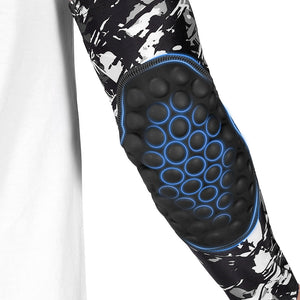
Fivali's padded forearm designs are specifically engineered to optimize this counterforce effect. Studies show padded forearm braces can cut acceleration amplitudes by 46% and integrals by 42% during activity, making them highly effective in supporting your healing process.
Step-by-Step Guide: How to Wear Your Fivali Tennis Elbow Brace
To get maximum pain relief and injury prevention from your Fivali tennis elbow brace, start with correct placement and tension. Here’s how to do it right:
Step 1: Locate Your Lateral Epicondyle (The Pain Spot)
First, identify the bony bump on the outside of your elbow. This is your lateral epicondyle, and it's typically where you feel the most tenderness or pain associated with tennis elbow.
Step 2: Precise Placement for Optimal Counterforce
This is the most critical step. Position the Fivali brace so its pad sits directly on the thickest part of your forearm muscle, approximately 2 cm (or about one to two finger-widths) below your lateral epicondyle. It should be on the fleshy part of your forearm, not directly on the bony bump itself. This exact placement is crucial for the brace to properly engage the ECRB muscle and redirect forces effectively.
Step 3: Achieve Optimal Tightness
Wrap the strap around your forearm and secure it. The brace should feel snug, applying firm but comfortable compression. A good rule of thumb is to aim for a "blood pressure cuff" feel – enough pressure to feel supportive, but not so tight that it restricts blood flow, causes numbness, or makes your arm throb. You should be able to slide one finger comfortably under the strap. Fivali's adjustable fit lets you fine-tune the tension easily, ensuring personalized comfort and effectiveness. If you're wondering how tight a tennis elbow brace should be, this one-finger test is your go-to guide.
Step 4: Confirm Pad Positioning
Ensure the pressure pad of the brace is centered over the muscle belly of your forearm. It shouldn't dig into bone or slide around. Fivali's designs often feature anatomical padding to help maintain this correct position.
Step 5: Test for Effectiveness
With the brace on, perform a few movements that typically trigger your elbow pain, such as gently clenching your fist, extending your wrist, or mimicking the activity that causes discomfort. You should notice a significant reduction in pain or discomfort, indicating the brace is working as intended.
Common Mistakes When Wearing a Tennis Elbow Brace & How Fivali Prevents Them
Even with the best intentions, it's easy to make mistakes that reduce your brace's effectiveness. Let’s address some common pitfalls:
Mistake 1: Wearing it too high or too low
The Problem: Placing the brace directly on your elbow joint (too high) or too far down your forearm (too low) means it won't exert counterforce where it's needed most. This can render the brace ineffective or even exacerbate discomfort. The Fivali Fix: Our explicit 2 cm (two finger-widths) placement guide, coupled with visual cues on Fivali's adjustable tennis elbow strap, helps you hit the sweet spot every time. Our designs are intuitive, so you can achieve the precise application that research supports.
Mistake 2: Too tight or too loose
The Problem: A brace that's too tight can restrict circulation, cause numbness, or increase pain, making your elbow hurt more while you wear it. Conversely, a brace that's too loose will slip and fail to provide the necessary counterforce, making it practically useless. The Fivali Fix: Fivali braces feature robust yet comfortable strapping systems that allow for precise, incremental adjustments. Our adjustable fit ensures you can achieve the ideal snugness – supportive but not constricting. If you find your tennis elbow brace makes pain worse, it’s often a sign of incorrect tightness, which our easy-to-adjust straps help you avoid.
Mistake 3: Wearing it over clothing
The Problem: While tempting for comfort, wearing your brace over thick clothing can diminish its effectiveness. The counterforce needs direct contact with your skin to properly compress the muscle and redistribute forces. The Fivali Fix: Fivali braces use skin-friendly, breathable materials for direct contact. While a thin layer of clothing may be acceptable, direct skin contact maximizes counterforce and keeps the pad from shifting.
Mistake 4: Relying solely on the brace
The Problem: A brace is a supportive tool, not a standalone cure. Expecting it to heal your condition without complementary strategies like rest, ice, and gentle exercises can lead to frustration. The Fivali Fix: We advocate for a holistic approach. While our braces provide exceptional support and pain relief, they work best as part of a broader recovery plan.

When & How Long to Wear Your Fivali Brace
Understanding the correct wear duration is just as important as proper placement for maximizing the benefits of your counterforce brace.
- Acute Phase (Severe Pain): During the initial onset of significant pain, wear your Fivali brace during any activity that causes discomfort. This provides immediate relief and prevents further irritation.
- Subacute Phase (Moderate Pain/Recovery): As your pain subsides, you can typically wear the brace for about 3-4 hours daily, focusing on periods of activity or repetitive motion. The goal here is to support healing while gradually reintroducing movement.
- Chronic/Preventative Phase: For long-standing issues or as a preventative measure during high-impact activities (like playing tennis or engaging in heavy lifting), wear your brace as needed. This helps prevent flare-ups and provides proactive support.
- Nighttime Wear: Generally, we don't recommend wearing your Fivali brace at night unless a healthcare professional specifically advises it. For more details, read our guide on Should I wear a tennis elbow brace at night.
Frequently Asked Questions About Tennis Elbow Brace Use
Q: Why does my elbow hurt more with the brace on?
A: This usually indicates the brace is either too tight, too loose, or improperly placed. Review our step-by-step guide and make sure the pad sits 2 cm below your epicondyle and the tension is snug but comfortable (the one-finger test). If pain persists, consult a healthcare professional. You can also explore common elbow brace fitting mistakes to troubleshoot further.
Q: What if my brace slips?
A: A slipping brace is often a sign it’s too loose. Re-tighten it using the adjustable straps until it feels snug and stable. Fivali's materials are designed for minimal slippage, but proper tension is key.
Q: How often should I clean my brace?
A: Refer to the specific cleaning instructions for your Fivali brace, usually found on the packaging or product page. Generally, hand washing with mild soap and air drying is recommended to maintain hygiene and fabric integrity.
Q: Can I play sports with my Fivali brace?
A: Absolutely! Fivali tennis elbow braces are designed to provide support and reduce strain during physical activities, including sports. Their lightweight, ergonomic design allows a full range of motion while offering crucial protection. The effectiveness of counterforce braces for tennis elbow in reducing strain during activity is a key reason many athletes use them.

Beyond the Brace: Complementary Strategies for Relief & Prevention
While wearing your Fivali brace correctly is a significant step, remember it's part of a comprehensive approach to healing and prevention. Consider these complementary strategies:
- Rest: Avoid activities that aggravate your pain.
- Ice: Apply ice packs to the affected area to reduce inflammation.
- Physical Therapy Exercises: Gentle stretches and strengthening exercises, often recommended by a physical therapist, can significantly aid recovery and prevent recurrence.
- Ergonomic Adjustments: Evaluate your workstation, sports equipment, or tools. Small changes can reduce repetitive strain on your elbow.
For a deeper dive into how a counterforce elbow brace compares to other forms of support, you might find our article on counterforce brace vs. elbow sleeve support insightful.
Choosing the Right Brace: Why Fivali Stands Out
When evaluating your options, Fivali consistently stands out for its commitment to quality, affordability, and user-centric design. Our Fivali tennis elbow braces are engineered with:
- Precision Padded Designs: Informed by research, our padded forearm braces deliver superior force reduction, providing the optimal counterforce mechanism proven to aid recovery.
- Easy-to-Use Adjustable Features: Our intuitive strapping systems let you achieve the perfect 2 cm placement and ideal snugness effortlessly, maximizing comfort and effectiveness without complex adjustments.
- Durable & Comfortable Materials: We use high-quality, breathable fabrics that are built to last and provide comfort during prolonged wear, whether you're at work, playing sports, or at home.
Fivali is dedicated to helping you live an active life, free from the constraints of pain. We believe that everyone deserves access to exceptional fitness products that truly support their well-being.
Ready for Real Relief?
You now have the guidance to wear your Fivali tennis elbow brace correctly, backed by a clear understanding of its powerful biomechanical benefits. By implementing these steps, you’re not just wearing a brace; you’re actively participating in your own recovery and injury prevention.
Take the next step towards lasting comfort and confidence. Explore Fivali's range of professional sports braces designed to help you stay active, pain-free, and living your best life.