Spinal Load Explained: How to Master Everyday Movements & Reduce Back Pain

Ever stand up after a long meeting and feel that familiar ache in your lower back? Or wondered why lifting a simple bag of groceries sometimes feels like a monumental task? That sensation is your body communicating through the language of "spinal load"—the forces your spine endures every single day.
Understanding this language is the first step toward moving with more confidence and less discomfort. It’s not about fearing movement; it’s about learning to work with your spine’s incredible design.
Your Spine Isn't Fragile—It's a Resilient Powerhouse
For years, we’ve been told to be careful with our backs, as if they’re delicate structures waiting to fail. The truth is, your spine is a marvel of engineering, built to bend, twist, and absorb force. Think of it less like a stack of bricks and more like a powerful, dynamic spring. It’s designed to handle load.
The key is understanding the types of load and how they change with your activities:
- Compression: A pressing force, like the one your spine experiences when you’re sitting or standing, supporting your body weight.
- Shear: A sliding or back-and-forth force, which can occur when lifting improperly or twisting.
- Torsion: A twisting force, like when you rotate your torso to grab something.
Your spine is built to manage all these forces. Problems usually arise not from the load itself, but from too much of one type of load for too long, or from a sudden, unprepared-for force.

Myth vs. Reality: Spinal Load Edition
-
Myth: Bending your back is always bad for you.
-
Reality: Your spine is designed to bend! The issue is often about how you manage the load during the movement, especially when lifting heavy objects. Gradual, controlled bending helps maintain flexibility and strength.
-
Myth: You must maintain a "perfect," rigid posture all day.
-
Reality: Your best posture is your next posture. The spine thrives on movement and variability. Staying in any single position for too long—even a "good" one—can lead to stiffness and discomfort. Understanding the different types of posture can help you find comfortable variations throughout the day.
How Everyday Tasks Change the Game for Your Back
The load on your lumbar spine can change dramatically based on what you're doing. Research using in-vivo measurements gives us a fascinating look at how these forces stack up.
The Truth About Sitting: Your Chair Isn't the Enemy
Sitting gets a bad rap, but it’s the way we sit that matters most. Unsupported sitting with a slouched posture places significantly more compressive force on your lumbar discs than standing. However, sitting upright or in a chair with good lumbar support can reduce that load to levels comparable to, or even less than, standing. The real culprit is staying static. Being locked in one position reduces circulation and puts continuous strain on the same tissues.
Lifting Smarter, Not Harder: The Lever Principle
Have you ever noticed that lifting a 20-pound box feels much heavier if you hold it with your arms outstretched? That’s the “lever arm” principle in action. The further an object is from your body’s center of gravity, the more it multiplies the force on your lower back.
A study by Rohlmann et al. highlighted that lifting a 22-pound weight with a rounded back and outstretched arms can spike spinal load dramatically. By keeping that same weight close to your body and using a hip-hinge motion (bending at the hips, not the waist), you drastically reduce that leverage and protect your spine. This is why proper lifting technique is crucial, whether in the gym or carrying groceries. For those who lift regularly, using shoulder support for lifting weights can also help maintain stability in the upper body.
Exercise: Building Resilience, Not Risk
Many people with back concerns fear exercise, worrying it will increase load and cause pain. But the opposite is true: controlled, progressive exercise is one of the best ways to build a spine that’s more resilient to the loads of daily life. Activities like squats, deadlifts, and overhead presses, when performed with good form, teach your core muscles how to brace and support your spine under load. It’s not about avoiding load, but about gradually increasing your capacity to handle it.

Frequently Asked Questions About Spinal Load
1. What exactly is spinal load?
Spinal load refers to the forces—like compression, shear, and torsion—that your spine experiences during any activity. It's not inherently bad; your spine is designed to handle it. Problems typically arise from excessive, prolonged, or sudden, unprepared loads. Understanding this helps you move smarter, not less, to protect your back.
2. Is bending my back to lift things always a bad idea?
Not at all! This is a common myth. Your spine is designed to bend. The key is managing the load during the movement. For heavy objects, using a hip-hinge technique and keeping the weight close to your body is safer because it reduces the "lever arm" effect and minimizes strain. For lighter movements, controlled spinal flexion is healthy and maintains flexibility.
3. My back hurts from sitting at a desk. What's the best way to sit?
The best posture is your next posture. Instead of aiming for one "perfect" rigid position, focus on variability. Use a chair with good lumbar support to reduce compressive forces, but also make sure to stand up, stretch, and change positions at least every 30 minutes. This prevents tissues from becoming stiff and strained from static load.
4. When should I consider using a back brace?
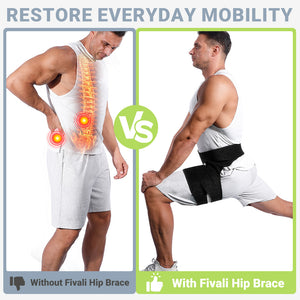
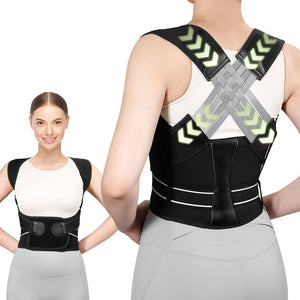
A back brace can be beneficial if you experience discomfort during specific tasks (like heavy lifting), need a reminder to engage your core and maintain better posture, or are recovering from a strain. It provides external support, which can reduce direct load on the spine and offer feedback to help you break cycles of pain-inducing movements. You can learn more about how do you know if you need a best back brace to see if it’s the right choice for you.
Micro-Habits for Macro Relief: Taking Control of Spinal Load
You don't need a complete life overhaul to manage spinal load effectively. Small, consistent changes can have a huge impact. Think of these as "spinal snacks"—quick breaks to vary the load on your spine throughout the day.
- Change It Up: If you sit for work, set a timer to stand up, stretch, or walk for one minute every half hour.
- The Desk De-Slouch: While sitting, gently pull your shoulder blades back and down. If you tend to over-arch your lower back, this is a great time to practice a gentle pelvic tuck. This postural awareness is key in learning how to fix an arched lower back. Hold for 10 seconds, then relax.
- The Countertop Stretch: Stand facing a kitchen counter, place your hands on it, and gently hinge at your hips, letting your back lengthen.
- The Smart Carry: When carrying a heavy bag, hold it close to your body. If you have two bags, split the weight evenly between both hands to balance the load.

Building a Stronger, More Resilient Back
Understanding spinal load is about empowerment. It shifts the focus from avoiding activities to performing them more intelligently. By recognizing how sitting, lifting, and exercise affect your back, you can make small adjustments that lead to significant relief and build long-term resilience.
Your spine is strong, adaptable, and ready to support you in an active life. For those times when you need an extra layer of confidence during a demanding activity or support during recovery, exploring tools like back support braces can be a valuable part of your toolkit.
By listening to your body and applying these principles, you can take control of your spinal health and keep doing the things you love. If you're looking for solutions to help manage these loads, exploring a high-quality back brace can be a great next step on your journey.