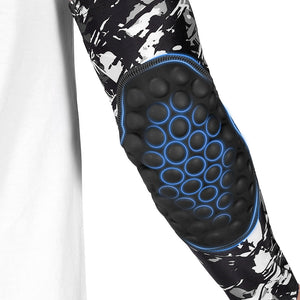
Knee Brace for Large Legs
- Black
- Green
- Orange
- Pink
- Black
- Blue
- Green
- Red
- Orange
- Blue
- Dark Blue
- Black
- White
- Red
- Blue
- Black
- Blue
- Red
- Orange
- Yellow
- Black
- Blue
- Green
- Red
- Blue
- Black
- White
- Red
- Dark Blue
- Grey
- Black
- Blue
- Pink
- Grey
- Black
- White
- Light Black
- Black
- Light Grey
- Grey
- Magenta
- Black
- Green
- Black
- Grey
- Red
- Blue
How Do I Know What Size Knee Brace to Get?
Choosing the correct size for your knee support is one of the most important decisions you will make when dealing with joint instability, recovering from an injury, or simply seeking daily relief from knee pain. A poorly fitted support can do more harm than good, leading to restricted blood flow if it is too tight, or offering absolutely zero stabilization if it is too loose. For individuals with wider thighs or larger calves, finding the perfect fit can sometimes feel frustrating, but with the right measuring techniques and knowledge, achieving optimal comfort and protection is entirely possible.
Why Getting the Precise Fit Matters
Before diving into the measurements, it is vital to understand why size dictates effectiveness. The primary function of any joint support is to provide compression, warmth, and structural stabilization to the ligaments, tendons, and kneecap (patella).
If the size is too small, you risk excessive compression, which can cause skin irritation, painful pinching behind the knee joint, and restricted circulation. Conversely, if the size is too large, the material will continuously slip and roll down your leg during physical activities, rendering it useless for meniscus support or arthritis relief.
Step-by-Step Guide: How to Measure Your Leg Correctly
The foundational step in determining the correct size is taking highly accurate measurements. Guessing your size based on your standard clothing or pant size is a common mistake that often leads to a poor fit.
1. Gather the Right Tools
You will need a flexible cloth or plastic measuring tape. If you do not have one on hand, you can easily use a piece of non-stretch string or yarn to wrap around your leg, mark the meeting point, and then measure that length flat against a standard ruler or metal tape measure.
2. Measure the Thigh Circumference
Stand up straight with your leg slightly bent at about 30 degrees. Locate the exact center of your kneecap. From that center point, measure approximately 5 to 6 inches straight up your thigh. Once you have found that spot, wrap the measuring tape securely around the thickest part of your thigh. Finding this exact circumference is particularly critical when shopping for a knee brace for large legs to ensure the top band does not dig into your skin or roll down when you walk.
3. Measure the Calf Circumference
Next, find the center of your kneecap again and measure roughly 6 inches down your leg. Wrap the tape around the thickest part of your calf muscle. Having both thigh and calf measurements ensures the sleeve fits comfortably across the entire lower extremity without bunching.
4. Measure the Knee Center (If Required)
While not every brand requires it, some sizing guides ask for the circumference directly across the center of the patella. Keep your leg slightly bent while taking this measurement to account for the joint's natural expansion in motion.
How to Navigate Sizing Charts
Once you have your accurate thigh, calf, and center measurements written down in inches or centimeters, it is time to consult the sizing chart of the specific support you wish to purchase.
- Match the Dominant Measurement: If your thigh measurement falls into the Extra-Large category but your calf measurement falls into the Large category, it is generally recommended to follow the thigh measurement. The thigh band anchors the support and prevents it from sliding.
- Between Sizes? If your measurements fall exactly on the border between two different sizes, consider your goals. If you want strict, firm compression for high-impact sports, choose the smaller size. If you are looking for all-day comfort, mild osteoarthritis relief, or extended wear, choose the larger size.
- Look for Plus-Size Indicators: Many modern options are designed specifically for broader anatomies. Keep an eye out for terms like "wide fit," "plus size," or "extended sizing," which are designed with a more forgiving taper from the thigh to the calf.
Choose a Style That Accommodates Your Shape
Different styles offer varying levels of adjustability, which heavily influences how the size will fit your leg.
Slip-On Compression Sleeves
These are excellent for everyday joint warmth, mild swelling reduction, and walking. Because they pull on like a sock, your measurements must be incredibly accurate. They rely entirely on elastic tension to stay up.
Adjustable Wrap-Around Designs
If you have a significant difference between your thigh and calf proportions, an adjustable wrap style is highly recommended. These feature strong hook-and-loop straps that let you adjust the tightness at the top, middle, and bottom of the joint, bypassing the strict limitations of standard tubular sleeves.
Hinged Stabilizers
Designed for maximum structural support, these contain rigid side splints. Because the hinges must align perfectly with the bending axis of your natural joint, following the manufacturer's sizing chart down to the exact inch is mandatory for safe rehabilitation.
Warning Signs That You Chose the Wrong Size
Even with careful measuring, you might want to double-check the fit once you try it on.
Signs it is too tight:
- You experience numbness or a tingling "pins and needles" sensation in your foot or lower leg.
- Deep, painful red grooves are left on your skin after only a few minutes of wear.
- You physically struggle to bend your leg past a slight angle due to fabric restriction rather than joint stiffness.
Signs it is too loose:
- The top band folds over itself or slides down toward your kneecap after taking just a few steps.
- You feel no gentle "hugging" sensation or warmth around the joint.
- Excess fabric bunches up aggressively behind your knee, causing chafing.
Leverage User Reviews for Real-World Sizing Insights
Finally, always take the time to read through customer feedback before finalizing your choice. User reviews are a goldmine for real-world sizing information. Shoppers frequently leave detailed feedback on their measurements and how a particular item fits them.
Look for recurring comments that indicate whether an item "runs small," "runs large," or provides adequate stretch. Reviewers with thicker thighs will often explicitly state whether a specific model provided the necessary comfort, durability, and non-slip performance they required, helping you make a well-informed and confident decision.