Can you lift weights with a wrist brace on?
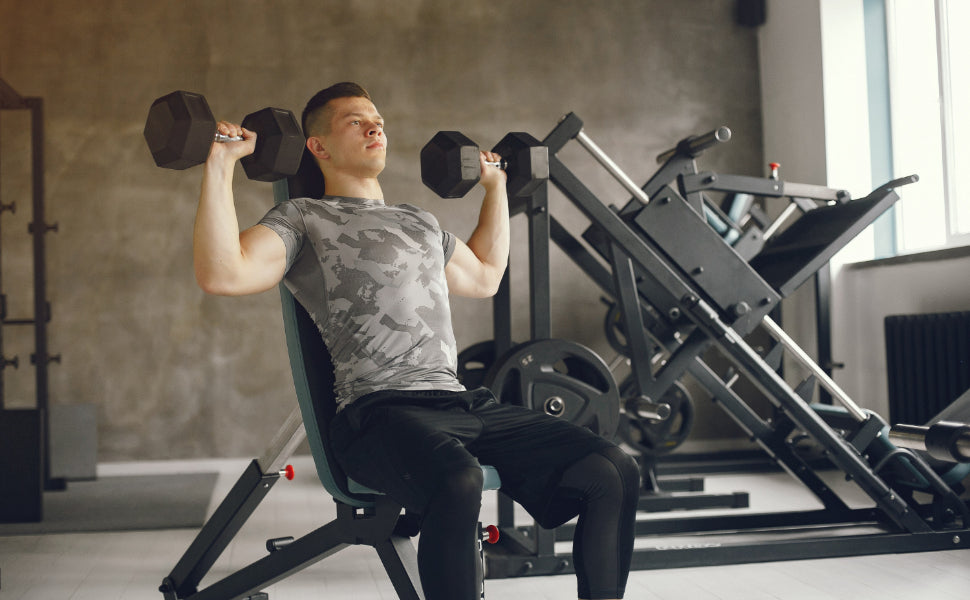
As we approach Memorial Day weekend and the unofficial kickoff to summer, gyms are buzzing. Many of us are ramping up our training—whether that means preparing for the grueling "Murph" workout, shedding layers for beach season, or finally deciding to push past old personal records. But there’s a common frustration that can instantly derail your summer training plans: a nagging, sharp pain in your wrist the moment you unrack the bar.
If you've ever found yourself staring at the dumbbells, wondering if you should strap on a brace or just push through the discomfort, you aren't alone.
The short answer is: Yes, you can lift weights with a wrist brace on. However, should you? That depends on what kind of support you are using, what you are trying to achieve, and whether you are genuinely protecting a vulnerability or accidentally masking a technique flaw.
Let’s grab a coffee and break down the safety, performance trade-offs, and biomechanics of wearing wrist supports during training.
The Foundation: Not All Wrist Supports Are Created Equal
Before we dive into the heavy lifting, we need to clear up a massive misconception in the fitness world. People often use the terms "brace" and "wrap" interchangeably, but in the realm of biomechanics and joint health, they serve entirely different masters.
- Wrist Wraps (Performance): Typically made of elastic cotton, these are designed to be stretched tight around the joint right before a heavy lift. They act like a temporary cast, creating rigid stability for a few seconds to help you push maximal weight.
- Compression Sleeves (Proprioception): These slide on easily and provide mild compression. They don't restrict your range of motion; instead, they keep the joint warm and increase blood flow, which is great for minor aches.
- Wrist Braces (Recovery/Medical): These feature structural elements like rigid splints or targeted straps. They physically prevent the wrist from bending into compromised positions, allowing irritated tissues to heal.
Performance & Safety Trade-Offs: How Braces Affect Your Lift
When you wrap a piece of fabric or a rigid splint around your joint, you are fundamentally changing how your arm interacts with the weight. Here is exactly what happens:
Grip Mechanics and Force Transfer
Your body operates on a kinetic chain. When you grip a barbell, force transfers from your hand, through your wrist, up your forearm, and into your shoulder. A proper bench press wrist brace keeps the joint stacked perfectly straight. This straight alignment ensures 100% of your pushing force goes directly into the bar.
However, there is a trade-off. A highly restrictive brace can bulk up the palm area, making it slightly harder to fully close your hand around a thick barbell. This can inadvertently challenge your grip strength on pulling exercises like deadlifts or rows.
Wrist Mobility
For pressing movements, limited mobility is exactly what you want. But consider the front squat or the clean and jerk. These movements require the wrist to bend back significantly (extension) to rest the bar on your shoulders in the "front rack" position. Wearing a rigid recovery brace here will not only feel incredibly uncomfortable, but it will ruin your mechanics, forcing your elbows down and putting dangerous stress on your lower back.
The Danger of Masking Issues
Wrist supports are incredible tools, but they can also be excellent liars. If you experience sharp pain during a push-up or a shoulder press because your wrist is collapsing backward (extension), throwing a stiff brace on might take the pain away. But why was the wrist collapsing? Often, it’s a lack of forearm strength or poor barbell placement in the hand. If you rely solely on the brace without fixing the technique, you are building strength on top of a dysfunctional foundation.
When to Use Support, When to Reduce, and When to Remove
Integrating a brace into your lifting routine shouldn't be a lifelong commitment. Think of it like training wheels on a bicycle: essential for learning and recovering, but meant to be outgrown.
1. The "Wear It" Phase (Acute Pain & Heavy Loading)
If you are returning to the gym after a tweak, or you are testing a new one-rep max this Memorial Day, use your support. The goal here is safe execution. The brace takes the shear force off the tendons, allowing you to stimulate the muscle without aggravating the joint.
2. The "Reduce It" Phase (Progressive Dependence Reduction)
Once the acute pain subsides, it’s time to start weaning off. If your workout involves five sets of shoulder presses, do your first three lighter warm-up sets completely bare-wristed. Only apply the support for your heaviest working sets. This forces the stabilizing muscles in your forearm to wake up and do their job during lighter loads.
3. The "Remove It" Phase (Building Natural Resilience)
For isolation movements (like bicep curls or tricep extensions) and all machine work, leave the brace in your gym bag. Your wrists need to experience natural, loaded stress to build bone density and connective tissue strength.

Sport-Specific Considerations: Matching the Gear to the Goal
How you lift dictates what you need:
- Powerlifters: You live and die by maximal force transfer. You need rigid, stiff support during max bench presses and low-bar squats to prevent any power leaks through wrist extension.
- CrossFitters: You need versatility. Because you transition rapidly from heavy lifting to gymnastics (like handstand push-ups or pull-ups), a bulky medical brace will get in the way. A slightly more flexible compression sleeve or adjustable wrap is ideal.
- Bodybuilders: Your focus is muscle isolation. If wrist pain is stopping you from growing your chest, use the brace to bypass the joint limitation.
Modifying Your Exercises for Wrist Health
Sometimes, even with the best support, you need to change the angle of attack. If your wrists are acting up, try these modifications:
- Swap the Barbell for Dumbbells: Barbells lock your wrists into a fixed, pronated position. Dumbbells allow your wrists to rotate naturally into a neutral position, instantly relieving joint stress.
- Use Neutral Grips: If a standard push-up hurts, try doing push-ups holding onto hex dumbbells or using push-up handles. This keeps the wrist perfectly straight.
- Adjust the Bar Placement: During presses, ensure the bar is resting low in the palm, directly over the forearm bone. If it's resting near your fingers, the leverage will aggressively bend your wrist backward, brace or no brace.
Frequently Asked Questions (Beginner's Edition)
When navigating wrist pain in the gym, common questions always surface. Here are the answers to help you train smarter.
People often wonder, do wrist supports really help?
Absolutely, but they are tools, not magic cures. They excel at providing external stability when your internal stability (muscles and tendons) is temporarily compromised by fatigue, heavy loads, or minor injuries.
Should I wear a wrist brace for tendonitis while lifting?
If you are recovering from inflamed tendons, a rigid brace can prevent the specific micro-movements that aggravate the tissue. However, if lifting causes sharp pain even with a brace, you must rest and consult a physical therapist.
Can I train if I have a tfcc injury?
The Triangular Fibrocartilage Complex (TFCC) acts as a shock absorber on the pinky side of your wrist. Lifting with this injury is highly nuanced. Certain supports can help compress the area to relieve pain, but rotational movements usually need to be strictly avoided during recovery.
Do I need a carpal tunnel wrist brace for the gym?
Carpal tunnel involves nerve compression, often worsened by keeping the wrist bent. A brace that keeps the wrist in a neutral position can relieve nerve pressure during daily life, but lifting heavy weights might still exacerbate the nerve if you aren't careful with your grip.
Is it safe to use a sprained wrist support during upper body day?
For upper body, you should tread lightly. If the sprain is fresh, lifting heavy is a bad idea. However, if you are in the late stages of rehab, a support can give you the confidence to start introducing light loads back into your routine safely.
A quick note on everyday life: We know that juggling fitness with family life isn't easy. You might be looking for the best wrist brace for single parents who need to effortlessly switch from lifting dumbbells to lifting toddlers, or perhaps you're seeking ultralight carbon walking ergonomic tendinitis-preventing gear for your active commutes. The principles of wrist protection remain the same whether you are at the squat rack or the grocery store: stability and alignment are key.
Next Steps for Pain-Free Lifting
Wrist pain shouldn't be a life sentence that keeps you away from the iron. By understanding the biomechanical trade-offs of different supports, recognizing when to use them, and actively working to build your natural joint resilience, you can protect your wrists while still making incredible gains.
When you're ready to explore options that fit your specific training needs, finding a high-quality wrist brace designed for the demands of an active lifestyle is your next step toward pain-free progress. Listen to your body, train smart, and enjoy a strong, healthy summer!