Reclaim Your Summer: The Ultimate Guide to Lasting Tennis Elbow Relief with Strategic Bracing
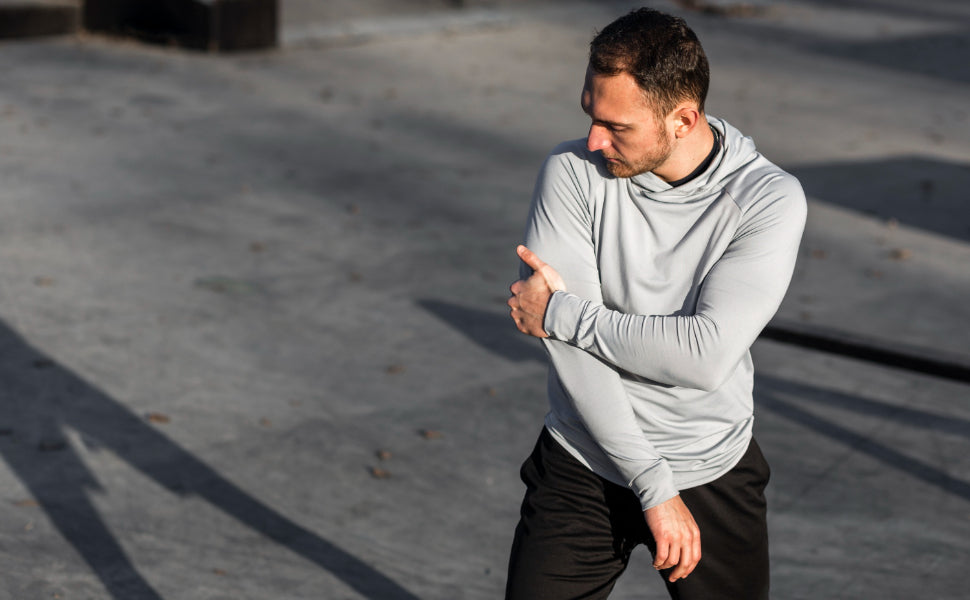
If you have been dealing with the nagging, sharp ache of lateral epicondylitis—commonly known as tennis elbow—you already know how deeply it impacts your daily routine. As Memorial Day weekend approaches and we eagerly anticipate a summer filled with outdoor sports, backyard barbecues, and weekend projects, the thought of being sidelined by chronic elbow pain is incredibly frustrating.
When searching for relief, you have likely encountered conflicting advice. Some resources treat a brace as a quick, temporary bandage, while specialized physical therapists might warn against relying on them entirely. The truth, supported by modern orthopedic recovery strategies, lies somewhere in the middle.
A high-quality brace is not meant to mask your symptoms so you can push through further damage. Instead, it should be viewed as a strategic tool—a vital component of a sustainable, long-term plan designed to manage pain, reduce reliance on anti-inflammatory medication, and prevent future recurrence. Let’s explore how you can evaluate and integrate the right support into your lifestyle for lasting relief.
Understanding the Stages of Tendonitis Recovery
To effectively use a brace, you first need to understand the trajectory of tendon healing. Tendonitis recovery is not a straight line; it moves through distinct phases, from acute relief to long-term prevention.
During the initial acute phase, the primary goal is reducing inflammation and protecting the overloaded tendon. Here, resting the joint and limiting aggravating movements is paramount. As you transition into the sub-acute and chronic phases, the goal shifts toward remodeling the tendon tissue and safely reintroducing load.
This is exactly where an elbow brace proves its worth. By dispersing the mechanical forces that normally pull directly on the injured tendon, a well-designed brace acts as a secondary shock absorber. It allows you to begin crucial rehabilitation movements without re-injuring the microscopic tears in your tissue.
Why Specific Features Matter for Sustained Support
If you have tried a generic drugstore brace and found yourself still in pain, you are not alone. The search landscape shows that many individuals abandon their braces because they are uncomfortable, slip during activity, or fail to provide targeted relief.
When evaluating the best elbow brace for tendonitis, you must look beyond basic elastic bands and seek out features engineered for sustained wear:
- Adjustable Compression: Your arm’s swelling and your required level of support will fluctuate throughout the day. A strap that allows for micro-adjustments ensures you get the exact pressure needed to offload the tendon. A common question during the evaluation phase is how tight should a tennis elbow brace be? It should be snug enough to redirect force, but never so tight that it restricts circulation or causes tingling.
- Varied Lengths and Styles: A targeted counterforce brace for tennis elbow works brilliantly for isolating pressure just below the elbow joint. However, if you are seeking broader support that keeps the entire joint warm and promotes blood flow during activity, an elbow compression sleeve might be the optimal choice for your daily baseline support.
- Breathability and Durability: For a brace to be a long-term solution, you actually have to wear it. Fivali designs products using moisture-wicking, breathable materials that prevent skin irritation, allowing you to wear them comfortably whether you are playing a set of tennis, typing at your desk, or lifting weights.

A clear, stepwise plan showing where and how to use a Fivali brace across recovery stages, helping readers decide when to buy and how to integrate it.
Creating a Holistic Recovery Ecosystem
The most successful pain management strategies are always multi-faceted. Relying solely on a brace without changing your underlying habits is like patching a tire without removing the nail. To achieve true long-term health, your brace must be integrated into a broader ecosystem of care.
The Role of Physical Therapy and At-Home Exercises
Strengthening the muscles of the forearm, wrist, and shoulder is the ultimate way to resolve the root cause of tennis elbow. Eccentric exercises (where the muscle lengthens under tension) are particularly effective for tendon rehabilitation. Wearing a compression sleeve for tennis elbow during these exercises can provide the necessary proprioceptive feedback and joint warmth to perform them safely and confidently.
Diet and Inflammation: Nutritional Strategies
Systemic inflammation can slow down your body's natural healing processes. Complement your external support with internal care by focusing on a diet rich in anti-inflammatory foods. Omega-3 fatty acids, turmeric, leafy greens, and tart cherries can help reduce the chronic inflammation that often accompanies long-standing tendon issues. When you pair a joint-healthy diet with the mechanical support of a Fivali brace, you are tackling the problem from both the inside and the outside.
Frequently Asked Questions for Long-Term Elbow Pain Management
As you evaluate your options, it is natural to have questions about how a brace fits into your everyday life.
Q1: Can a tennis elbow brace truly provide long-term relief without weakening my arm?
A1: Absolutely. The concern about muscle weakening is common, but a well-designed brace is not meant to replace your muscle function. Instead, it strategically disperses mechanical forces on the injured tendon, acting as a secondary shock absorber. This allows you to safely engage in crucial rehabilitation exercises and daily activities, preventing further damage and enabling an active lifestyle that *prevents* muscle atrophy. When integrated with a strengthening program, a brace supports your recovery, rather than hindering your strength.
Q2: How often should I wear my elbow brace for the best long-term results?
A2: Continuous 24/7 wear is generally not recommended unless advised by a healthcare professional. For sustainable long-term management, the key is strategic use. Wear your support during activities that typically cause pain or involve repetitive movements, gripping, or lifting. This includes sports, work tasks, or household chores. During periods of rest, it's beneficial to remove the brace to allow your skin to breathe and your joint to move freely, promoting overall joint health and circulation.
Q3: What makes a Fivali elbow brace suitable for a comprehensive, long-term pain management plan?
A3: Fivali braces are engineered with active individuals in mind, moving beyond generic, uncomfortable options. For long-term use, key features like adjustable compression ensure you can tailor support as your needs fluctuate throughout recovery and activity. We offer varied lengths and styles, such as targeted counterforce braces and broader compression sleeves, to match specific support requirements. Crucially, Fivali products use moisture-wicking, breathable, and durable materials, ensuring comfort for extended wear during any activity, from sports to desk work. This focus on ergonomic design and quality fabrics ensures your brace is a reliable, integrated part of your ongoing wellness journey.
Ready to Reclaim Your Active Lifestyle?
Managing chronic elbow pain does not mean you have to abandon the activities you love. As we step into the summer season, you deserve a solution that empowers you to participate fully—whether that means dominating on the court, tending to your garden, or simply lifting your children without wincing.
By understanding the biomechanics of your injury and pairing targeted physical therapy with high-quality, continuous support, you can break the cycle of recurring pain. Stop settling for temporary fixes that leave you reliant on a medicine cabinet. Evaluate your current strategy, invest in the right gear, and discover how a supportive tennis elbow brace can become the cornerstone of your long-term wellness plan.