Lift Stronger, Stay Injury-Free: The Ultimate Guide to Tennis Elbow Braces for Weightlifting & Gym Workouts
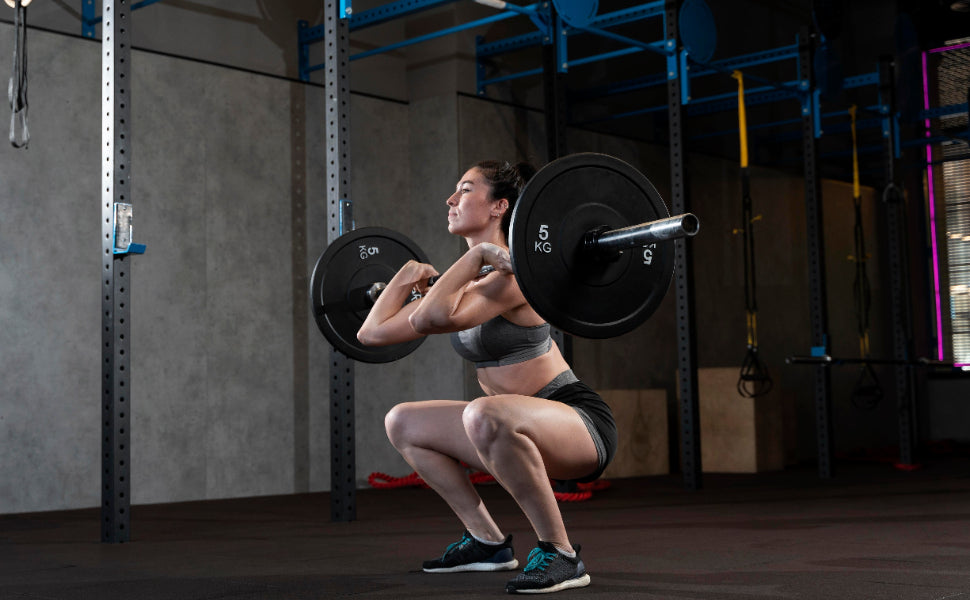
That nagging ache on the outside of your elbow—it starts as a minor annoyance during bicep curls and soon becomes a sharp, limiting pain during presses and rows. For dedicated lifters, elbow pain isn't just a nuisance; it's a barrier to progress. You're trying to evaluate solutions, but the options are overwhelming. Do you need a strap, a sleeve, or something else entirely? How do you find a brace that provides rock-solid support for a one-rep max without sacrificing the flexibility needed for dynamic movements?
You're in the right place. This guide moves beyond generic advice to give you a clear framework for choosing the best tennis elbow brace specifically for the demands of the gym. We’ll break down the science of support, compare the different types of braces, and show you what to look for in a product that’s built to withstand heavy lifting. It’s time to find a solution that lets you train with confidence and keep chasing your goals, pain-free.
Why Do Lifters Get Tennis Elbow?
Lateral epicondylitis, commonly known as tennis elbow, is an overuse injury affecting the tendons that connect your forearm muscles to the outside of your elbow. In the gym, this is often caused by repetitive strain from gripping heavy weights, poor form that overloads the forearms, or rapid increases in volume or intensity. Exercises like bicep curls, tricep extensions, and even heavy bench presses can put immense stress on these tendons, leading to inflammation and pain.
The orthopedic braces and supports market is growing rapidly, projected to reach over $6.7 billion by 2033, because more active people recognize the need for proactive support. The right brace doesn't just manage pain; it stabilizes the affected tendons, reduces stress on the joint, and enhances your body's awareness of its position in space (proprioception), leading to better, safer movement patterns under load.
Elbow Support 101: The Weightlifter's Guide to Braces, Sleeves, & Wraps
Choosing the right type of support is the most critical step. Each style offers distinct advantages depending on your pain level, lifting style, and goals.
1. Elbow Straps (Counterforce Braces)
These are the small, targeted bands you often see worn just below the elbow.
- How They Work: A counterforce brace applies direct, focused pressure on the upper forearm extensor tendon. This changes the angle at which the tendon pulls on the epicondyle (the bony bump on your outer elbow), reducing the force and relieving pain at the source.
- Pros for Weightlifting: Excellent for pinpoint pain relief without covering the entire joint. They offer maximum range of motion, which is ideal for exercises where elbow flexion is key.
- Cons for Weightlifting: They provide minimal overall joint support or compression. For heavy compound movements like overhead presses or benching, a strap alone may not offer enough stability. Incorrect placement can also sometimes irritate nerves.
2. Elbow Sleeves (Compression Sleeves)
Sleeves slide over the entire elbow joint, providing uniform support and warmth.
- How They Work: Compression sleeves increase blood flow, which aids in recovery and keeps the joint warm and lubricated. Critically for lifters, they enhance proprioception—the brain’s awareness of joint position—which can lead to more controlled and stable movements.
- Pros for Weightlifting: Perfect for general support, injury prevention, and managing mild soreness. The warmth can reduce stiffness, and the proprioceptive feedback helps fine-tune your form on high-rep sets. For many, these are the best elbow sleeves for consistent, all-around gym use.
- Cons for Weightlifting: Standard sleeves offer less targeted pain relief than a strap and may not provide enough support for max-effort lifts. Compression is generally fixed, not adjustable.
3. Hybrid Braces & Adjustable Wraps
These designs combine the benefits of both straps and sleeves, offering the most versatile support.
- How They Work: A hybrid design often features a supportive sleeve with integrated, adjustable straps. This allows you to benefit from the warmth and proprioception of a sleeve while also applying targeted, variable pressure exactly where you need it.
- Pros for Weightlifting: This is the gold standard for most serious lifters. You can keep the compression light during your warm-up, tighten it for heavy sets, and adjust it based on the exercise. This adaptability makes it the ideal elbow brace for tendonitis aggravated by different movements.
- Cons for Weightlifting: They can be slightly bulkier than a simple strap or sleeve, but modern designs prioritize a low-profile fit.
Fivali's Edge: Engineered for the Gym
Finding an elbow brace for weightlifting that can handle the stress of daily training requires a focus on material science and intelligent design. This is where Fivali's engineering stands out. We build our braces not just to alleviate pain, but to enhance performance and withstand the toughest workouts.
- Robust, Durable Materials: We use high-quality neoprene and nylon blends that provide consistent compression without stretching out over time. This durability means your brace delivers the same level of support on your hundredth workout as it did on your first. The reinforced stitching and strong straps are built to handle the tension of heavy loads.
- Precision-Adjustable Compression: Our adjustable elbow brace systems are designed for lifters. They allow for quick, mid-workout changes, so you can transition seamlessly from a lighter accessory movement to a heavy compound lift with the exact level of support you need.
- Unrestricted Movement: Protection should never come at the cost of performance. Our braces are anatomically designed to support the joint and tendons without limiting your natural range of motion. This ensures you can maintain proper form and mechanics through every phase of a lift.
- Breathability and Comfort: Intense workouts mean sweat. Our materials are chosen for their moisture-wicking properties, keeping you comfortable and preventing the brace from slipping or bunching, even during the most grueling sessions.
Frequently Asked Questions for Lifters
Q: Will wearing an elbow brace make my joint weaker?
A: This is a common myth. A brace is a tool, not a crutch. It works by offloading stress from injured tendons, allowing them to heal while you continue to train. It also improves proprioception, which can actually help you develop better motor control and safer movement patterns, strengthening the joint in the long run.
Q: Can I wear a brace for prevention, even if I don't have pain yet?
A: Absolutely. This is one of the smartest ways to use elbow supports. Using a compression sleeve or a lightly-strapped brace during heavy pressing or pulling days can provide extra stability and warmth, helping to prevent the overuse injuries that sideline so many lifters. Think of it as essential safety gear, just like a lifting belt.
Q: How tight should my brace be for lifting?
A: The ideal fit is "snug but not constricting." You should feel noticeable compression and support, but it should never cause numbness, tingling, or discoloration. For an adjustable brace, a good rule of thumb is to keep it moderately snug for warm-ups and accessory work, and tighten it for your heaviest sets to provide maximum stability when you need it most.
Q: How do I choose between a sleeve and an adjustable brace?
A: Consider your primary need.
- Choose a sleeve if your goal is general support, warmth, and improved stability for high-rep workouts or if you have mild, diffuse soreness.
- Choose an adjustable brace if you have specific, targeted pain (classic tennis elbow), if you perform a mix of heavy and light lifting and need variable support, or if you're actively recovering from an injury.

Quickly find the Fivali brace that fits your training: recommendations for heavy compounds, high-rep sets, and accessory work with clear support-vs-mobility guidance.
Don't Let Elbow Pain Dictate Your Training
Elbow pain doesn't have to mean an end to your progress. By understanding the unique demands of weightlifting and choosing a brace engineered for strength and durability, you can protect your joints, manage pain, and continue to lift with power and confidence. The right support gear—whether it's arm bands for tennis elbow or a full elbow guard—is an investment in your longevity in the gym.
Fivali is dedicated to providing professional-grade, affordable sports braces that empower you to stay active and injury-free. Our products are designed with the athlete in mind, delivering the support you need without holding you back.
Ready to find the perfect support for your workouts? Explore Fivali's complete collection of elbow braces and sleeves designed for lifters.