How Long Does Tennis Elbow Last?

Tennis elbow, medically known as lateral epicondylitis, is a common overuse injury that affects the tendons connecting the forearm muscles to the outside of the elbow. While the name suggests an athletic origin, this condition frequently impacts individuals involved in repetitive manual tasks, such as painting, typing, or carpentry. Determining the exact duration of the recovery process is complex, as it depends on the severity of the tendon damage, the consistency of treatment, and the patient's lifestyle.
Typical Recovery Timelines for Lateral Epicondylitis
The recovery period for lateral epicondylitis is rarely a quick fix. Because tendons have a poorer blood supply compared to muscles, they heal at a significantly slower rate. On average, most individuals can expect the symptoms to persist for anywhere from 6 months to 18 months.
Minor Strain and Early Intervention
In cases where the condition is caught in the early "acute" phase—meaning pain has only been present for a few weeks—recovery might occur within 4 to 8 weeks. This timeline is only achievable if the repetitive activity is halted immediately and replaced with rest and basic therapeutic exercises.
Chronic Overuse and Degeneration
When the pain has been ignored for months, the condition often transitions from inflammation to tendinosis, which involves the breakdown of collagen in the tendon. In these chronic scenarios, the timeline often extends beyond a year. Patient compliance with rehabilitation protocols is the primary factor in whether the elbow heals in six months or two years.

Factors Influencing the Duration of Pain
Several variables dictate how long the elbow will remain sensitive and dysfunctional. Understanding these factors helps in setting realistic expectations for the healing journey.
Severity of Tendon Tearing
Not all cases of tennis elbow are equal. Some involve microscopic tears that the body can knit back together relatively quickly. Others involve significant structural damage or partial thickness tears that require much more intensive physiological repair.
Frequency of Repetitive Stress
If the individual continues to perform the action that caused the injury—such as gripping a racket too tightly or using a heavy computer mouse without ergonomic support—the healing process is essentially reset every day. Continuous micro-trauma prevents the tendon from reaching the remodeling phase of repair.
Age and General Health
As the body ages, collagen production decreases and the elasticity of tendons diminishes. Older adults may find that tennis elbow lingers longer than it would for a younger individual. Additionally, factors like poor circulation or high blood sugar can further delay the body’s natural repair mechanisms.
Stages of the Healing Process
The path to recovery is generally categorized into three distinct physiological phases. Understanding which phase one is in can help determine the appropriate level of activity.
The Protection Phase
This is the initial stage where the goal is to reduce pain and prevent further damage. During this time, the focus is on "offloading" the tendon. Many people find success using a tennis elbow brace during this period to change the angle at which the muscles pull on the elbow, thereby allowing the inflamed area to rest even during light daily movements.
The Repair and Remodeling Phase
Once the sharp, stinging pain subsides into a dull ache, the body begins laying down new collagen fibers. This phase requires controlled stress. Total rest is actually detrimental at this stage; instead, gradual loading through specific exercises is necessary to ensure the new fibers are strong and aligned correctly.
The Functional Return Phase
The final stage involves returning to full activity. This usually occurs when the individual has regained full grip strength and can perform eccentric movements without discomfort. It is common for minor "flares" to occur during this stage if the intensity of activity is increased too rapidly.
Effective Management Strategies to Speed Up Recovery
While the body dictates the biological timeline, certain interventions can optimize the environment for healing, potentially shortening the duration of the injury.
Activity Modification and Ergonomics
The most effective way to shorten the lifespan of the injury is to identify the "insulting" movement.
-
Workplace setup: Adjusting keyboard height to keep wrists neutral.
-
Sporting technique: Checking racket grip size and string tension.
-
Manual labor: Using power tools instead of manual screwdrivers where possible.
Using Mechanical Support
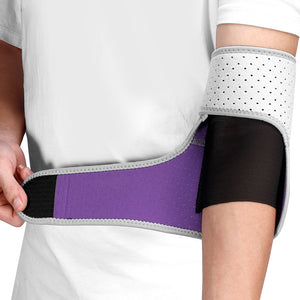
External support is a cornerstone of conservative management. A high-quality tennis elbow brace works by applying pressure to the forearm muscles just below the elbow. This serves as a "counterforce," absorbing some of the energy that would otherwise travel directly to the damaged tendon. Brands like Fivali provide various support options designed to stabilize the area without restricting the full range of motion of the arm.
Physical Therapy and Loading
The gold standard for treating long-term tendon issues is a progressive loading program. This typically involves:
-
Isometric holds: Holding a weight steady to activate the muscle without moving the joint.
-
Eccentric strengthening: Slowly lengthening the muscle under tension (e.g., slowly lowering a dumbbell).
-
Stretching: Maintaining flexibility in the wrist extensors to prevent stiffness.
✧ Fivali Adjustable Elbow Support Brace 2 Pack
- Triple Adjustable Straps for Better Fit
- Removable Aluminum Splints to Straighten Your Elbow
- Breathable and Sweat-Absorbent Fabric
- Easy to Wear and Take Off

Recognizing Common Obstacles to Healing
Many people find that their recovery stalls. Identifying these "roadblocks" is essential for moving past the chronic pain stage.
The "False Recovery" Trap
A common issue occurs when the pain disappears after a few weeks of rest. The individual assumes they are healed and returns to high-intensity activity, only to re-tear the fragile new tissue. This cycle can make tennis elbow last for years rather than months.
Inadequate Grip Strength
If the forearm muscles are weak, the tendon must work harder to stabilize the wrist. Without specific strengthening exercises, the tendon remains overloaded. Utilizing a tennis elbow brace during the transition back to heavy lifting can provide an extra layer of security, but it must be paired with muscle development.
Over-Reliance on Passive Treatments
Relying solely on ice packs or massage will not fix the underlying structural weakness of the tendon. While these methods help with pain management, they do not stimulate the tissue growth required for a permanent cure.
Comparing Treatment Options and Their Impact on Time
| Treatment Method | Primary Benefit | Estimated Impact on Timeline |
| Rest and Ice | Reduces acute inflammation | Essential for the first 2 weeks |
| Counterforce Bracing | Offloads tendon during activity | Helps prevent re-injury during recovery |
| Eccentric Exercise | Rebuilds tendon strength | Shortens long-term recovery by months |
| Ergonomic Changes | Removes the root cause | Prevents the condition from becoming chronic |
Long-Term Outlook and Prevention
Once the symptoms of lateral epicondylitis have fully resolved, the focus shifts toward preventing a recurrence. Because the tendon has been previously compromised, it may remain a "weak link" in the kinetic chain.
Maintaining Forearm Flexibility
Consistently stretching the wrist extensors and flexors ensures that the tendons do not become overly tight. Tight muscles pull on the attachment points at the elbow, increasing the risk of mechanical irritation.
Gradual Progression
Whenever starting a new hobby or increasing the intensity of a workout, the "10% rule" should apply. Increasing the load or duration by no more than 10% per week allows the tendons time to adapt to the new stress.
Continued Use of Support
For those in high-risk professions or sports, wearing a tennis elbow brace during particularly strenuous sessions can act as a preventative measure. Equipment from manufacturers such as Fivali is often used by individuals who have a history of elbow strain to ensure they do not exceed their physiological limits during peak performance.
Summary of Recovery Expectations
In conclusion, the duration of tennis elbow is highly variable and depends largely on how quickly the condition is addressed. While a minor strain might resolve in two months, chronic cases frequently require a year or more of diligent management. Success is rarely found through rest alone; instead, it requires a combination of activity modification, mechanical support through tools like a tennis elbow brace, and a dedicated approach to strengthening the forearm complex. By respecting the slow biological nature of tendon repair and avoiding the temptation to rush back into heavy activity, individuals can achieve a full recovery and return to their daily routines without the limitation of persistent elbow pain.
-
Posted in
Brace, Elbow injury