What Do Arm Sleeves Do in Football?

Football, a sport synonymous with speed, impact, and athleticism, demands specific gear for both performance and protection. Among the more subtle yet widely utilized accessories are arm sleeves. Often seen on professional and amateur players alike, these pieces of athletic apparel extend from the biceps to the wrist or elbow, prompting the question: What exactly is their function in the rigorous environment of a football game? The purpose of Fivali arm sleeves extends beyond mere aesthetics, encompassing a range of benefits from performance enhancement to injury mitigation and thermal regulation. Understanding these functions is key to appreciating their role on the modern football field.
Performance Enhancement and Muscle Support
The primary, often overlooked, benefit of arm sleeves lies in their compression properties. Modern arm sleeves are typically constructed from a blend of materials like nylon, spandex, or a similar moisture-wicking, stretchable fabric. This construction provides a gentle, yet firm, compression across the muscles of the arm and forearm.
-
Improving Blood Flow and Oxygenation
The compression exerted by the sleeve facilitates better blood circulation. By applying pressure, the sleeves help the veins pump deoxygenated blood back to the heart more efficiently, and simultaneously improve the delivery of oxygenated blood to the working muscles. Enhanced blood flow translates directly into improved muscle performance and can help delay the onset of muscle fatigue. For a football player required to make sudden, explosive movements—such as throwing a ball, pushing off a block, or reaching for a tackle—maintaining muscle efficiency over four quarters is crucial. The consistent pressure acts as a subtle pump, maximizing oxygen delivery where it is needed most.
-
Reducing Muscle Vibration and Oscillation
During high-impact activities like running, jumping, and tackling, the muscles in the arms vibrate and oscillate. While this vibration may seem minor, it expends energy and can contribute to muscle soreness and fatigue over time. Compression sleeves work to stabilize the muscle tissue, reducing this unwanted movement. By minimizing oscillation, players conserve energy that would otherwise be wasted. This subtle stabilization can lead to greater precision in movements, which is particularly beneficial for positions like quarterbacks who require pinpoint accuracy in their throws, or defensive backs who rely on quick, controlled arm movements to deflect passes.

-
Maintaining Optimal Muscle Temperature
The material composition of arm sleeves often includes thermal regulation properties. During pre-game warm-ups and cold-weather games, the elbow compression sleeve helps keep the muscles warm. Warm muscles are more pliable and less susceptible to strains. Conversely, in hot conditions, the moisture-wicking fabric draws sweat away from the skin, where it can evaporate quickly, providing a cooling effect. This dual capability ensures that the arm muscles operate within their optimal temperature range, which is critical for consistent performance and injury prevention throughout the duration of a demanding game.
Protection and Injury Management
Beyond performance, arm sleeves serve a vital protective function, particularly in a sport where contact with the ground and opposing players is constant.
- Minimizing Abrasions and Turf Burns
One of the most immediate and visible benefits of wearing elbow compression sleeves is the physical barrier they provide against the playing surface. Football players frequently dive, fall, and slide, especially on artificial turf, which can be unforgiving. Arm sleeves protect the skin from scrapes, cuts, and the painful skin irritation known as "turf burn." A seemingly small abrasion can sideline a player or become a distraction; the sleeve acts as a second layer of skin, preventing minor but disruptive injuries.
- Cushioning and Impact Absorption
Many arm sleeves are designed with padding incorporated, specifically around the elbow support area. These padded sleeves, often referred to as padded compression sleeves, offer localized protection. When a player falls onto a hard surface or receives a direct blow to the arm, the foam or gel padding dissipates the force of the impact, significantly reducing the risk of contusions or bone bruising. This protection is invaluable for linemen, running backs, and defensive players who are frequently involved in collisions. The use of a specialized elbow support brace or sleeve can be particularly critical for a player with a history of elbow instability or pain, offering both protection and a feeling of security during aggressive plays.

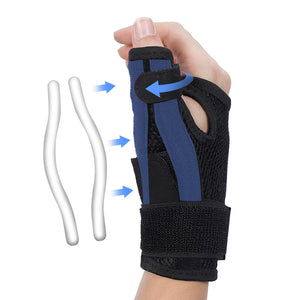
- Triple Adjustable Straps for Better Fit
- Removable Aluminum Splints to Straighten Your Elbow
- Breathable and Sweat-Absorbent Fabric
- Easy to Wear and Take off
- Managing Existing Ailments and Conditions
For players dealing with minor or chronic arm issues, compression sleeves for elbow can be an effective tool for pain management and support. Conditions like tendonitis (e.g., golfer's elbow or tennis elbow, despite the name) can be mitigated by the sustained pressure from the sleeve, which helps reduce swelling and provides a stabilizing effect to the joint and surrounding ligaments. While not a substitute for comprehensive medical treatment, the targeted compression offers a non-invasive way to maintain continuity of play by providing continuous, light pressure to affected areas.
Other Practical and Psychological Benefits
The utility of arm sleeves extends into less tangible, yet equally important, areas of the game.
-
Enhancing Grip and Preventing Slippage
Certain sleeves, particularly those that cover the forearm and wrist, are designed to keep the player's hands dry. By wicking away sweat from the arm before it can reach the palm, the best compression elbow sleeves help maintain a secure grip on the football, a critical factor for quarterbacks and receivers. This subtle control over moisture can be the difference between a completed pass and a turnover.
-
Psychological Edge and Confidence
In the high-stakes environment of professional football, even the smallest gear detail can impact a player's mindset. Wearing an arm sleeve, especially a favored one, can contribute to a player's feeling of being "locked in" and prepared. This accessory is often part of a personalized uniform that contributes to a player's identity on the field, fostering a sense of confidence. The feeling of support and protection offered by the sleeve can allow a player to focus entirely on the game without minor physical discomforts serving as a distraction.
-
Adherence to League Rules and Uniformity
For organized leagues, including the NFL, arm sleeves must adhere to specific rules regarding color, logos, and materials. Their continued use is facilitated by the fact that they generally comply with uniform regulations, unlike some other, bulkier types of protective gear. This regulatory acceptance allows players to integrate the padded elbow sleeves into their standard game-day apparel seamlessly.
Conclusion
Arm sleeves are far more than a fashion statement in football; they are a multi-functional piece of athletic equipment rooted in compression technology and practical necessity. Their contribution to the game is multifaceted, offering tangible performance benefits by enhancing circulation and reducing muscle fatigue, while also providing critical protection against abrasions and impacts, especially around vulnerable areas requiring elbow support. From maintaining an optimal muscle temperature to giving players a psychological edge and managing existing discomforts with features similar to an elbow support, the sleeve is a quiet workhorse. As the sport continues to demand peak physical performance, subtle gear like the arm sleeve will remain an essential tool for players looking to maximize their efficiency, minimize injury risk, and maintain consistency over the punishing duration of a football season. Their widespread adoption by athletes at all levels is a testament to their proven, practical value on the gridiron.