Unlock Elbow Pain Relief: How Counterforce Braces Really Work

That nagging ache on the outside of your elbow. The sharp twinge when you lift a gallon of milk, grip a tennis racket, or even just hold a cup of coffee. It’s a frustratingly common story, one that can sideline you from the activities you love. In your search for relief, you've likely come across a simple-looking strap called a counterforce brace.
But how can something so small make such a big difference? The answer is less about magic and more about clever biomechanics. A counterforce brace isn't just squeezing your arm; it's strategically changing how your muscles and tendons work, offering both immediate relief and a pathway to long-term healing. Let's explore the science behind this effective tool.
The "Aha" Moment: How a Simple Strap Reroutes Pain
To understand how a counterforce brace works, first picture the muscles and tendons in your forearm. When you grip, lift, or twist your wrist, these muscles contract, pulling on the tendons that attach to the bony bumps on your elbow (the epicondyles). When these attachment points get overworked, they become inflamed and painful—a condition commonly known as Tennis Elbow or Golfer's Elbow.
Think of an overworked tendon like a rope that's starting to fray right where it's tied to an anchor. Every pull adds more strain to that same weak spot.
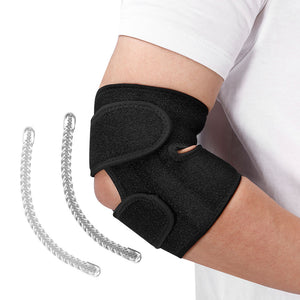
A counterforce brace acts like a capo on a guitar string. By applying firm, targeted pressure to the muscle belly below the painful area, it effectively creates a new, artificial origin point for that muscle. This simple intervention changes the angle of pull on the tendon, redirecting the force away from the inflamed anchor point. Studies have shown this can reduce the force on the tendon by 13-15%, which is significant enough to make painful movements feel manageable again.

The Immediate Payoff: Short-Term Relief and Getting Back in the Game
The most immediate benefit of a counterforce brace is symptom relief. By offloading the strained tendon, it can dramatically reduce pain during the very activities that used to cause you to wince. This doesn't just make daily life more comfortable; it's a crucial first step in recovery.
This pain reduction allows you to continue participating in your life and sport, albeit with some smart modifications. Instead of being forced into complete rest (which can sometimes lead to muscle weakness and stiffness), you can stay active in a controlled, pain-free way. If you're wondering about the basics of these devices, our guide on what is a counterforce brace offers a great starting point.
The Long Game: How a Brace Becomes a Bridge to Healing
Here’s a common misconception: a brace is a cure. In reality, a brace is a tool that creates the ideal environment for healing. It’s a bridge, not the final destination.
True healing of a tendon involves a complex process of collagen remodeling, where your body lays down new, healthy tissue. This process is disrupted every time the tendon is re-strained. By reducing that daily strain, the brace allows this natural healing process to proceed without constant interruption.
Think of it this way: the brace quiets the pain enough for you to engage in the most important part of recovery—rehabilitation. Gentle stretching and strengthening exercises are vital for building long-term tendon resilience. A good counterforce elbow brace makes it possible to perform these exercises without triggering a flare-up, paving the way for a stronger, healthier tendon that is less likely to be reinjured.
Putting It On Right: A Practical Guide to Effective Use
A brace is only as good as its placement. To get the benefits, you have to wear it correctly. Placing it on the wrong spot or making it too tight can render it useless or even cause more problems by restricting blood flow.
The "Why" Behind the "Where": The goal is to compress the thickest part of the muscle, not the tender bone or tendon itself. This spot is usually found about two finger-widths (or 1-2 inches) down from the most painful point on your elbow. When you find the right spot and flex your wrist up and down, you should feel the muscle contract firmly under the brace's pressure pad.

Beyond the Brace: Building a Complete Recovery Plan
The most successful recoveries treat the counterforce brace as a key player on a larger team. It provides the pain relief needed to tackle the root cause of the issue: a tendon that can't handle the load you're placing on it.
A holistic recovery plan includes:
- The Brace: Manages symptoms and protects the tendon during activity.
- Activity Modification: Identifying and adjusting the movements that cause pain. For an office worker, this might mean ergonomic keyboard adjustments. For a plumber, it could mean changing how they grip a wrench.
- Rehabilitation: A targeted program of stretching and strengthening exercises to improve the tendon's flexibility and load capacity.
This combined approach is what truly reduces the risk of recurrence. By the time you're ready to stop using the brace, your tendon isn't just healed—it's stronger and more resilient than before. Using the right inelastic counterforce brace and other types of counterforce straps can be an essential part of this comprehensive strategy.

Frequently Asked Questions
How does a counterforce brace actually relieve elbow pain?
A counterforce brace works by applying targeted pressure to the forearm muscle just below the painful area. This creates a new, artificial anchor point for the muscle, which changes the angle of pull on the tendon. By redirecting the strain away from the inflamed attachment point at the elbow, it immediately reduces pain during activities like gripping or lifting.
When is the best time to wear a counterforce brace?
You should wear the brace during any activity that typically causes your elbow pain. This could be your sport (like tennis or golf), tasks at work, or even daily chores like gardening or carrying groceries. It is generally not necessary to wear it while resting or sleeping, as the tendons are not under strain.
How do I position the brace for Tennis Elbow vs. Golfer's Elbow?
Yes, the same brace typically works for both. The difference is placement. For Tennis Elbow (pain on the outside of the elbow), position the pressure pad on the top of your forearm. For Golfer's Elbow (pain on the inside), place the pressure pad on the underside of your forearm. In both cases, it should be about 1-2 inches below the most tender spot.
What's the right way to tighten a counterforce brace?
The brace should be snug enough to feel firm, consistent pressure but should not cut off circulation. A good rule of thumb is that you should be able to slide one finger comfortably between the strap and your arm. If you experience any numbness, tingling, or discoloration in your hand, the brace is too tight and should be loosened immediately.
Is a counterforce brace a long-term cure?
No, a counterforce brace is a tool to facilitate healing, not a permanent cure. It reduces pain and protects the tendon, which creates an ideal environment for recovery. True, long-term healing comes from a comprehensive plan that includes rehabilitation exercises to strengthen the tendon. The ultimate goal is to build resilience so you no longer need to depend on the brace. The question of "how long should I wear my tennis elbow brace" is answered by your progress in this rehabilitation.
Your Next Step to a Pain-Free Grip
Understanding the "why" behind a counterforce brace transforms it from a simple strap into a strategic tool for your recovery. It's an empowering piece of knowledge that helps you take control of your healing process.
By redistributing load, reducing pain, and enabling rehabilitation, a counterforce brace is a powerful ally in your journey back to activity. When used correctly as part of a comprehensive plan, it can help you not only find relief but also build the strength to keep pain from coming back.