


Tennis Elbow Pain? Uncover the Surprising Daily Habits & Real Causes (Even If You Don't Play!)

As Memorial Day weekend approaches, marking the unofficial kickoff to summer, your to-do list is likely growing. From pulling out the gardening tools and painting the backyard deck to dusting off your golf clubs or tennis racket, the warmer weather invites a flurry of physical activity.
But as you gear up for these summer projects, you might notice a sudden, sharp ache on the outside of your elbow. You haven't swung a tennis racket in years, so what gives?
It’s a surprising fact: nearly 90% of people suffering from "tennis elbow" don't actually play tennis. The medical term for this condition is lateral epicondylitis, and understanding what causes it is the first critical step toward lasting relief. In this guide, we will break down the true mechanical and biological triggers of this frustrating condition, helping you identify early warning signs before they put a damper on your summer plans.

Anatomy 101: Your Elbow’s Outer Team
To understand the cause, we first have to look at the mechanics of the elbow and forearm. Your forearm is packed with muscles that extend your wrist and fingers—the exact muscles you use to grip a steering wheel, type on a keyboard, or hold a paintbrush.
These muscles merge into a single tendon that anchors to the lateral epicondyle, the bony bump on the outside of your elbow. The specific muscle most commonly involved in lateral epicondylitis is the Extensor Carpi Radialis Brevis (ECRB). When the ECRB muscle contracts, it pulls on that anchor point. Over time, excessive pulling creates microscopic tears in the tendon.
The Big Misconception: Tendinosis vs. Tendinitis
Here is where most people—and even some outdated advice—get it wrong. When you hear the suffix "-itis," you probably think of inflammation. For a long time, tennis elbow was thought to be a form of tendinitis (acute inflammation of the tendon).
However, modern research shows that lateral epicondylitis is actually a form of tendinosis.
What’s the difference?
- Tendinitis is like a suddenly swollen, inflamed ankle after a sprain.
- Tendinosis is degenerative. Imagine a tightly woven rope that slowly begins to fray after rubbing against a rock day after day. The collagen fibers in your tendon break down and become disorganized due to chronic overuse.
This distinction is a massive "aha!" moment for many people because it explains why simply icing the elbow (which targets inflammation) often doesn't provide long-term healing for a frayed, degenerative tendon.

The Real Causes: Micro-Trauma in Motion
So, what actually causes that rope to fray? The culprit is a combination of repetitive wrist extension and something called "eccentric overload."
An eccentric muscle contraction happens when a muscle lengthens while under tension. Think of slowly lowering a heavy box to the ground; your bicep is working hard to control the descent even as it stretches. When you forcefully grip an object and extend your wrist (like driving a screw into wood or hitting a tennis backhand), the ECRB tendon absorbs a massive amount of eccentric stress. Doing this repetitively creates micro-trauma.
While it shares some similarities with chronic wrist tendonitis in terms of repetitive strain, lateral epicondylitis specifically isolates the wear and tear at the elbow's anchor point.
Your Daily Grind: High-Risk Activities
You don't need a court to get an image of tennis elbow in your mind; you just need a mirror and a look at your daily routine. The most common triggers involve prolonged gripping, twisting, and repetitive wrist movements.
Occupational Triggers
- Painters and Carpenters: The repetitive up-and-down motion of painting or the forceful twisting of using manual screwdrivers.
- Plumbers: Wrenching motions that require immense grip strength coupled with forearm rotation.
- Office Workers: Hours spent with the wrist extended upward while heavily using a computer mouse.
- Culinary Workers: Repetitive chopping, slicing, and lifting heavy cast-iron skillets.
Sports and Technique Triggers
- Racket Sports: A weak one-handed backhand is the classic culprit. If the wrist isn't locked, the tendon absorbs the shock of the ball.
- Weightlifting: Gripping barbells too tightly during exercises like upright rows or deadlifts.
- Equipment Mismatches: Using a racket (or a hand tool) with a grip size that is too small forces your forearm muscles to overwork to maintain stability.

Beyond Mechanics: The Full Picture of Risk
Mechanical overuse is only half the story. Why can two people do the exact same amount of yard work over Memorial Day weekend, but only one develops an elbow injury? The answer lies in your biology.
- Age: Lateral epicondylitis most commonly strikes adults between the ages of 30 and 60. As we age, our tendons naturally lose elasticity and take longer to recover from micro-tears.
- Metabolic Health: Conditions like diabetes or obesity can impair blood circulation to the body's extremities. Tendons inherently have a poor blood supply; anything that restricts it further limits their ability to heal.
- Smoking: Nicotine constricts blood vessels, starving the tendon of the oxygen and nutrients required to repair daily microscopic damage.
Early Intervention: Spotting the Triggers
The key to preventing a minor ache from becoming a chronic, months-long ordeal is early recognition. Subtle tennis elbow symptoms often manifest long before you feel agonizing pain.
The Coffee Cup Test: One of the most reliable early indicators is a twinge of pain on the outside of your elbow when you pinch and lift a moderately heavy object—like a full mug of coffee or a gallon of milk—with a straight arm.
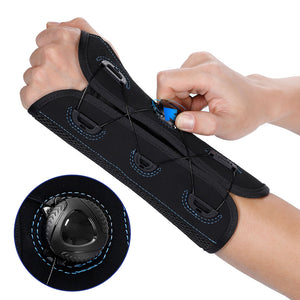
Once you understand the mechanics causing the pain, the rationale behind supportive gear makes perfect sense. People often wonder, do compression sleeves help tennis elbow? Yes, by providing warmth and gentle compression. However, a targeted strap or brace takes it a step further.
By applying pressure just below the elbow joint, supportive gear effectively creates a new anchor point. This relieves the frayed ECRB tendon from taking the full brunt of your everyday gripping motions. Exploring effective solutions, such as a specialized tennis elbow brace, is a logical step once you understand that protecting the tendon from eccentric load is the only way to allow those collagen fibers to rebuild.
Frequently Asked Questions About Lateral Epicondylitis
What exactly is "tennis elbow" if it's not always from tennis?
The medical term is lateral epicondylitis. While it's commonly associated with racket sports, approximately 90% of sufferers don't play tennis. It's primarily caused by chronic overuse and micro-trauma to the forearm extensor tendons, particularly the Extensor Carpi Radialis Brevis (ECRB), where they attach to the outside of the elbow.
Is tennis elbow an inflammatory condition (tendinitis)?
Surprisingly, modern research indicates it's typically not tendinitis (acute inflammation) but rather tendinosis. This means the condition involves the degeneration and disorganization of collagen fibers in the tendon due to chronic overuse, rather than sudden inflammation. This distinction is crucial for effective long-term recovery strategies.
What are common non-sporting activities that can trigger this condition?
Many daily and occupational tasks can lead to lateral epicondylitis. High-risk activities include repetitive gripping, twisting, and wrist extension movements, such as painting, carpentry (using screwdrivers), plumbing, extensive computer mouse use, and culinary work (chopping, lifting heavy pans).
Can supportive gear, like a specialized strap or brace, help relieve symptoms?
Yes, supportive gear can be highly beneficial. By applying targeted pressure just below the elbow joint, a strap or brace creates a new anchor point, which helps to reduce the strain on the affected ECRB tendon during gripping and lifting motions. This protection allows the frayed tendon fibers the necessary environment to begin healing.
How long does it typically take for a tendon injury like this to heal?
Tendon healing can be a slow process due to their limited blood supply. Depending on the severity of the degeneration and how effectively repetitive strain is managed, recovery can range from several weeks to several months. Consistent support, activity modification, and appropriate rehabilitation are key for lasting relief.
Next Steps for a Pain-Free Summer
If you're gearing up for a busy summer of DIY home improvements, gardening, or outdoor sports, be mindful of your wrists and elbows. Pay attention to how tightly you grip your tools, ensure your equipment is ergonomically sized, and listen to those early warning twinges.
If you are already experiencing discomfort, educating yourself on supportive interventions is your best defense. Consider exploring a high-quality tennis elbow brace to displace the mechanical stress, giving your tendons the breathing room they need to recover so you can enjoy the rest of your season comfortably and actively.









)