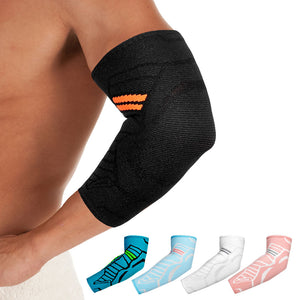
How many hours a day should I wear a brace for tennis elbow?
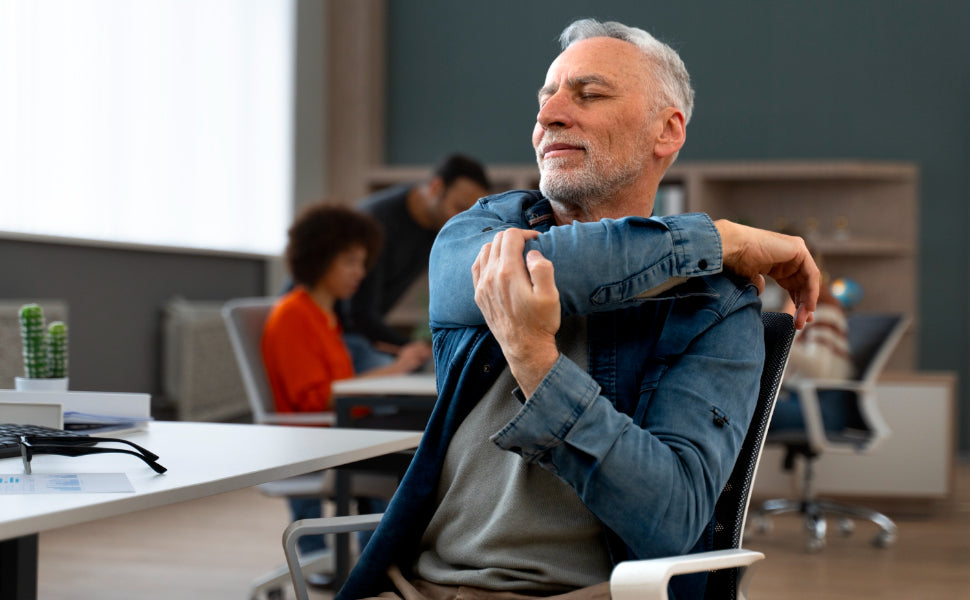
As Memorial Day approaches and the unofficial start of summer kicks into high gear, you are probably eager to get back out onto the tennis court, tackle your garden, or simply enjoy backyard barbecues with friends. But if a nagging pain on the outside of your elbow is holding you back, you might find yourself constantly adjusting your schedule—and your arm—just to find some relief.
If you are dealing with lateral elbow pain (commonly known as tennis elbow), you have likely purchased a brace or are considering one. But a crucial question almost everyone asks is: How many hours a day should I actually be wearing this thing?
You might assume that wearing it all the time will speed up healing, while taking it off might leave you vulnerable to more pain. The truth, however, is much more nuanced. Integrating a brace into a long-term pain-management plan requires a strategic approach to timing and gradual load progression.
Let's dive into the evidence-based guidance on how to schedule your daily wear time so you can get back to your favorite summer activities safely.

How Does a Tennis Elbow Brace Actually Work?
Before we talk about how long to wear it, we need to understand why we wear it.
Tennis elbow is an overuse injury affecting the tendons that attach to the lateral (outside) part of your elbow. Every time you grip, lift, or twist, force is transferred up your forearm muscles and pulls on that irritated tendon.
When you look at an image of tennis elbow anatomy, you can see exactly where these micro-tears happen. A brace (specifically a counterforce strap) works by applying targeted compression just below the elbow joint. It essentially acts as a secondary muscle attachment point, redistributing the pressure and absorbing the shock before it reaches your injured tendon.
This brings up a common point of curiosity for beginners: the difference between a tennis elbow brace vs compression sleeve. While a sleeve provides generalized warmth and mild support for the whole joint, a counterforce brace offers that specific, targeted pressure needed to offload the tendon during gripping tasks.

A Phased Approach: Structuring Your Daily Wear Time
There is no "one-size-fits-all" number of hours to wear your brace because your elbow’s needs change as it heals. Your wear time should be dictated by what phase of recovery you are currently in.
Phase 1: Acute Pain Control (High Pain Phase)
When your elbow is highly inflamed and even holding a cup of coffee hurts, your primary goal is to reduce immediate strain.
- How long to wear: During this phase, you might wear the brace for 2 to 4 hours at a time during the most painful parts of your day, particularly when you are active.
- When to take it off: Take it off when you are resting on the couch or just walking around. A common question during this phase is should i wear tennis elbow brace at night? Generally, the answer is no. Unless your elbow pain is actively disrupting your sleep, wearing it at night provides no biomechanical benefit and can actually cause stiffness.
Phase 2: Maintenance and Active Recovery (Moderate Pain Phase)
As the sharp pain subsides, your goal shifts toward load management. You are trying to support the healing tendon while allowing modified activity.
- How long to wear: Move away from counting hours and transition to "activity-focused" use. Put the brace on specifically for provocative tasks—like a 1-hour tennis match, a 2-hour gardening session, or a 3-hour stint of heavy typing. Once the activity is over, the brace comes off.
Phase 3: Gradual Weaning (Low to No Pain Phase)
As your tendon builds intrinsic strength through rest and physical therapy, you must gradually reduce your reliance on the brace.
- How long to wear: Start taking the brace off during light activities where you previously wore it. Keep it in your gym bag for heavier lifts or intense sports, but aim to perform your daily tasks without it.
Avoiding the "Overuse Trap": Risks of Constant Wear
One of the biggest mistakes beginners make is strapping the brace on tightly in the morning and leaving it on until bedtime. While it might feel secure, over-wearing your brace carries significant risks:

- Muscle Deconditioning: Your body is incredibly adaptive. If a brace is constantly doing the work of absorbing force, your forearm muscles and tendons will begin to rely on it. Over time, constant wear can actually weaken the surrounding musculature, making you more prone to re-injury once the brace comes off.
- Skin Irritation: Sweat, friction, and constant pressure can lead to contact dermatitis or chafing. Giving your skin time to breathe is critical.
- Masking Symptoms: A brace is a tool, not a cure. If you wear it all day and push through pain because the brace numbs it, you are likely causing further micro-trauma to the tendon without realizing it.
Finding Your Perfect Setup
Because your wear-time needs will fluctuate between a few hours of intense activity and periods of total rest, having gear that adapts to your body is essential. Finding the best brace for tennis elbow usually means prioritizing adjustability. You want something you can quickly loosen during a break or tighten up before lifting something heavy.
If you're unsure how tight should a tennis elbow brace be, a good rule of thumb is that it should be snug enough so you feel a firm resistance when you make a fist, but not so tight that it causes numbness, tingling, or discoloration in your hand.
Frequently Asked Questions (FAQ)
Can wearing a brace heal my tennis elbow faster?
A brace itself does not magically heal the tissue. Instead, it creates the optimal environment for healing by protecting the tendon from excessive strain. True healing requires a combination of rest, strategic brace use, and targeted strengthening exercises.
Should I wear the brace even on days my elbow doesn't hurt?
If you are engaging in an activity that previously caused flare-ups (like painting a room or playing golf), it is smart to wear the brace as a preventative measure. However, if you are just having a normal, low-impact day at home, leave it off to encourage natural tendon strength.
What should I do if my arm goes numb while wearing it?
Take it off immediately! Numbness or tingling is a clear sign that the brace is compressing a nerve or cutting off circulation. Let your arm rest, and when you reapply the brace, secure it much looser than before.
Your Path to a Pain-Free Summer
Managing tennis elbow is all about balance. By understanding the difference between acute pain control and activity-specific maintenance, you can use your brace as a strategic tool rather than a permanent crutch.
Start paying attention to the specific activities that trigger your pain, and schedule your brace time around them. As your elbow grows stronger, you'll find yourself needing the support less and less. If you are looking to build out your recovery toolkit, exploring high-quality, fully adjustable tennis elbow braces designed for extended, comfortable wear is a great first step on your journey back to full strength.