Stop That Nagging Elbow Pain: 4 Movement Mistakes Causing Your Tennis Elbow

With summer just around the corner, your weekend to-do list is probably growing. Whether you're planning to perfect your backhand on the court, tackle that garden makeover, or finally build those shelves, the last thing you want is a nagging pain on the outside of your elbow sidelining your plans.
You might have heard it called "tennis elbow," but this frustrating condition—medically known as lateral epicondylitis—affects far more people than just tennis players. It’s the painter, the plumber, the avid cook, and the desk worker who spends hours on a computer.
The common explanation is "overuse." But what does that really mean? It’s not just about doing too much; it’s about how you’re doing it. The secret to understanding—and overcoming—this pain lies in a few specific, repeated movement mistakes. This guide will help you become a detective of your own movements, so you can pinpoint the root cause and find a path back to pain-free activity.
A Quick Look Inside Your Forearm
Before we dive into the "how," let's quickly understand the "what." Tennis elbow isn't a problem with the bone in your elbow. It's an issue with a tendon.
Imagine a set of ropes (your muscles) that run from your wrist and fingers up your forearm. These ropes all converge and attach to a small, bony bump on the outside of your elbow called the lateral epicondyle. One of the most important of these is the extensor carpi radialis brevis (ECRB) tendon. Its job is to help stabilize and lift your wrist.
When you repeatedly perform certain motions with poor technique, you put an enormous amount of strain on this specific attachment point. Think of it like a rope fraying from being pulled at a bad angle over and over. This leads to tiny micro-tears and degeneration in the tendon, which your body signals with pain. Understanding the basic anatomy of the elbow and forearm is the first step in understanding the strain.

The 4 Movement Culprits That Cause Elbow Pain
Most cases of tennis elbow can be traced back to one or more of these four faulty movement patterns. As you read, think about your daily activities—at work, at home, and during exercise—to see which ones resonate.
1. The Constant Wrist Extension
This is the single most common culprit. Wrist extension is simply bending your wrist backward, like when you're signaling "stop" with your hand. While it's a normal movement, holding this position for long periods or repeatedly snapping your wrist back under load is what causes trouble.
- At the Desk: Do you type with your wrists angled up toward the keyboard? Or rest your wrist on the desk and angle your hand up to grip the mouse? This sustained extension puts the ECRB tendon under constant, low-grade tension.
- In the Workshop: Think about hammering. Many people use a flicking, wrist-dominant motion instead of a smooth, elbow- and shoulder-driven one. Each flick is a repetitive, forceful extension. The same goes for using a paintbrush with only wrist action.
The Fix: Focus on keeping your wrist in a neutral (straight) position as often as possible. Adjust your chair and keyboard height so your forearms are parallel to the floor. When using tools, initiate the movement from your larger, more powerful shoulder and core muscles.
2. The "Death Grip" & Poor Tool Mechanics
How you hold something is just as important as how you move it. Gripping an object too tightly transmits a huge amount of vibration and force up the forearm muscles directly to that sensitive elbow tendon.
- In Sports: Using a tennis or pickleball racket with the wrong grip size forces your forearm muscles to work overtime just to keep it from twisting in your hand. This constant, tense gripping is a major cause of strain.
- At Home: Gripping a heavy frying pan, a screwdriver, or garden shears with all your might creates the same effect. It’s not just about the single action but the sustained tension required to hold on.
The Fix: Loosen up! Use the lightest grip you can to maintain control. Ensure your sports equipment and tools are the right size for your hand. A larger, more ergonomic handle on a tool can often make a world of difference by distributing the gripping force more evenly.
3. The Awkward Lift (The Grocery Bag Blunder)
Have you ever picked up a heavy grocery bag, a gallon of milk, or a briefcase with your palm facing down? This seemingly innocent action combines a tight grip with wrist extension and forearm pronation (rotating your palm downward). This trifecta of movements puts a direct and jarring load on the exact spot where tennis elbow develops.
The Fix: Whenever possible, lift objects with your palms facing up (supinated) or in a neutral "handshake" position. This engages your bicep and other stronger muscles, taking the strain off the delicate forearm extensors. Try it next time you pick up a bag—you'll feel the difference instantly. For those looking to continue working out, understanding what weight lifting exercises can i do with tennis elbow is crucial to avoid re-injury.
4. The Repetitive Twist
Activities that involve forceful, repetitive twisting of the forearm can also irritate the tendon. This is especially true when the twisting is combined with a firm grip.
- Common culprits: Using a manual screwdriver, wringing out a wet, heavy towel, or even extensive turning of a wrench. Each twist, especially against resistance, pulls on the ECRB tendon's insertion point.
The Fix: Use power tools when possible to reduce manual twisting. When wringing clothes, try squeezing them against the side of the sink instead of twisting. Be mindful of activities that require forceful forearm rotation and take frequent breaks.
Decoding Your Pain: Match Your Symptoms to the Cause
Now that you know the culprits, you can start to connect them to what you're feeling. Different faulty movements can create slightly different symptom patterns. Use this as a guide to identify your likely primary issue.

- Pain when lifting your wrist? Your main issue is likely Repetitive Wrist Extension. Focus on your ergonomics and wrist positioning during daily tasks.
- Ache intensifies when gripping objects? You're probably dealing with the "Death Grip" Effect. Evaluate your grip on tools, rackets, and even your steering wheel.
- Sharp pain when picking up a bag or jug? This points directly to Improper Lifting Technique. Practice lifting with your palm facing up or neutral. A tennis elbow brace can sometimes provide support during these unavoidable daily lifts.
- Pain flares during twisting motions? Repetitive Twisting is your likely source. Look for ways to modify tasks that involve forceful forearm rotation.
Your Movement-Based Action Plan
Understanding the cause is the first step. Taking action is the next. True recovery involves more than just rest; it requires retraining your movement patterns and supporting the healing tissues.

- Modify Your Movements: Actively practice the fixes described above. Be mindful of your wrist position, grip strength, and lifting technique throughout the day. These small adjustments dramatically reduce the daily strain on your tendon.
-
Use Targeted Support: For many, the right support can make a huge difference. It's not about immobilizing your arm, but about changing how forces are distributed.
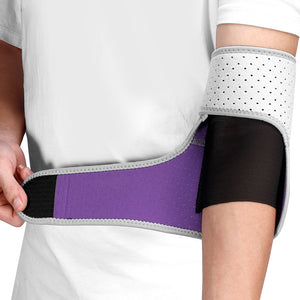
- A counterforce brace, or strap, is worn a few inches below the elbow. It acts like a "second tendon," absorbing some of the force and reducing the pull on the painful spot.
- A compression sleeve provides broad support, increases blood flow, and keeps the area warm, which can aid in recovery.
- Understanding the difference in a tennis elbow brace vs compression sleeve is key to finding what works for your specific activity and pain profile.
- Incorporate Gentle Stretches & Strengthening: Once the initial pain subsides, gentle wrist extensor stretches (pulling your hand down with your arm straight) and strengthening exercises (like squeezing a soft ball or doing light wrist curls) can help rebuild the tendon's resilience.
Frequently Asked Questions About Tennis Elbow
Q: What are the most common causes of tennis elbow?
A: Tennis elbow is typically caused by four specific movement mistakes repeated over time: constantly bending your wrist backward (wrist extension), gripping tools or rackets too tightly, lifting objects with your palm facing down, and performing repetitive twisting motions with your forearm. These actions put excessive strain on the ECRB tendon on the outside of your elbow.
Q: I don't play tennis. Why does my elbow hurt?
A: Despite its name, tennis elbow affects many people, including painters, plumbers, cooks, and office workers. Activities like prolonged typing with poor wrist posture, using hand tools, or even gardening can lead to the condition. The issue isn't the specific activity but the repetitive strain from common movements involved in many jobs and hobbies.
Q: How do I know if I'm lifting things incorrectly?
A: A key sign of improper lifting is a sharp pain on the outside of your elbow when you pick up an object like a grocery bag or a gallon of milk. This often happens when you lift with your palm facing down. To correct this, try lifting objects with your palm facing up or in a neutral "handshake" position, which engages stronger muscles and protects your elbow tendon.
Q: What is the fastest way to relieve tennis elbow pain?
A: The fastest path to relief involves a three-part approach: 1) Identify and modify the faulty movements causing the strain. 2) Use targeted support like a counterforce brace or compression sleeve to reduce daily stress on the tendon. 3) Once the initial pain subsides, incorporate gentle stretching and strengthening exercises to rebuild tendon resilience.
Q: How does a tennis elbow brace work?
A: A tennis elbow brace, or counterforce strap, works by applying gentle pressure on the muscles of the forearm, just below the painful area. This pressure changes the angle of pull on the tendon, absorbing some of the force that would normally travel to the sore spot on the elbow. It acts as a secondary attachment point, allowing the injured tendon to rest and heal even during activity.
By shifting your focus from "overuse" to "how I use," you empower yourself to take control of your recovery. Pay attention to your body's signals, correct the faulty movements, and give your elbow the support it needs to heal. You'll be back to your favorite summer activities before you know it.