Can External Steriod Cream Help Elbow Bursitis?
Elbow bursitis, medically known as olecranon bursitis, occurs when the fluid-filled sac protecting the tip of the elbow becomes inflamed. This condition causes noticeable swelling, localized warmth, tenderness, and varying degrees of pain. Managing this uncomfortable inflammation requires a clear understanding of effective topical treatments, lifestyle modifications, supportive devices, and targeted rehabilitation strategies.
The Role of Topical Treatments in Managing Joint Inflammation
Topical applications are often considered early in the treatment phase because they target specific areas directly on the skin. Patients frequently inquire whether over-the-counter or prescription creams can effectively treat deep joint inflammation.
Understanding Topical Corticosteroid Creams
Topical steroid creams contain synthetic corticosteroids designed to reduce skin-level inflammation, redness, and itching. They are exceptionally effective for dermatological conditions such as eczema, psoriasis, or localized allergic reactions. However, their mechanism of action relies heavily on direct skin absorption, making them ideal primarily for superficial dermatological tissue layers.
Why Steroid Creams Fail to Reach the Olecranon Bursa
The olecranon bursa lies beneath thicker cutaneous and subcutaneous tissue layers at the posterior elbow joint. Topical steroid creams cannot penetrate deeply enough through these dense tissues to achieve a therapeutic concentration inside the inflamed bursa. As a result, applying external steroid creams to an swollen elbow yields minimal to no relief for bursitis symptoms.
Alternative Topical Interventions for Symptom Relief
While topical steroids are ineffective for deep joint fluid inflammation, other topical options can help manage surface discomfort. Nonsteroidal anti-inflammatory gel formulations or cooling menthol creams can temporarily soothe surrounding skin tissues and decrease localized pain sensations without altering the underlying fluid accumulation.
Comprehensive Conservative Treatments for Olecranon Bursitis
Because topical steroid creams do not resolve deep bursa inflammation, evidence-based non-surgical therapies remain the gold standard for restoring joint function and relieving pressure.
Rest, Ice, and Elevation Protocol
The foundation of managing acute bursitis involves reducing physical stress on the joint. Resting the arm prevents recurrent friction against the sac. Applying cold therapy packs wrapped in a towel for fifteen to twenty minutes several times daily constricts local blood vessels, decreasing fluid production and numbing sharp pain.
Fluid Aspiration and Targeted Injections
When fluid accumulation creates significant tightness or limits range of motion, medical professionals may perform a therapeutic fluid aspiration. Removing excess fluid instantly relieves pressure. In non-infected cases, a precise medical injection of corticosteroid solution directly into the bursa sac may be administered to suppress persistent inflammation effectively.
Oral Anti-Inflammatory Medications
Systemic anti-inflammatory medications work throughout the bloodstream to inhibit inflammatory pathways. These oral options offer systemic distribution, allowing active compounds to reach deep joint structures that topical creams cannot penetrate.
Orthopedic Support Devices and Joint Protection
Protecting the elbow from external impact and repetitive friction is crucial for preventing symptom flare-ups and encouraging structural healing.
Protective Padding for Daily Activities
Frequent pressure from resting elbows on hard surfaces like desks or armrests is a primary driver of bursa irritation. Utilizing elbow pads for bursitis creates a physical buffer that distributes direct forces away from the sensitive joint capsule. Consistent use of elbow pads for bursitis reduces mechanical friction, making daily work routines far more comfortable.
Benefits of Compression Sleeves
Compression technology plays a vital role in controlling soft tissue fluid dynamics and enhancing localized blood flow around injured joints.
Is a compression sleeve good for elbow bursitis? Yes, a compression sleeve provides gentle, continuous pressure that helps reduce localized fluid accumulation, supports the joint structures, and maintains tissue warmth during daily movement. Furthermore, asking is a compression sleeve good for elbow bursitis highlights the importance of non-invasive pressure management, as the steady support prevents sudden strain on the inflamed tissues.
Selecting the Right Orthopedic Brace
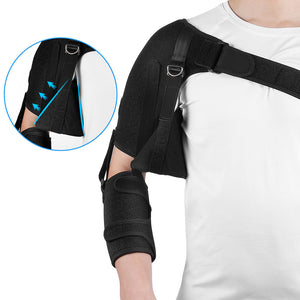
Choosing appropriate joint support depends on individual activity levels and the severity of swelling. Searching for the best elbow brace for bursitis involves evaluating key factors such as breathable fabric, adjustable stabilization straps, and targeted cushioning over the olecranon process. Incorporating the best elbow brace for bursitis into daily routines offers structural stabilization, preventing excessive bending or accidental impacts that could aggravate the joint. High-quality orthopedic options from reliable brands like Fivali provide ergonomic support designed to keep the joint secure during active recovery.
♦ Fivali highly recommends

- Keep Active & Stay Fashion
- Upgraded 3D Knitted Technology
- High Stretchy & Breathable Material
- Non-Slip Silicone Strap Design on the Cuff
Rehabilitation Exercises and Prevention Strategies
Long-term management requires addressing joint mobility and surrounding muscular strength to prevent secondary stiffness or future recurrences.
Gentle Range of Motion Drills
Immobilizing the arm completely for extended periods can cause muscle atrophy and joint stiffness. Performing controlled flexion and extension movements keeps the surrounding tendons limber without putting direct stress on the posterior bursa.
Surrounding Muscle Strengthening
Strengthening the triceps and forearm musculature stabilizes the elbow joint complex. Controlled eccentric strength exercises build resilience in the surrounding tendons, absorbing mechanical stress before it reaches the vulnerable bursa sac.
Ergonomic Workstation Adjustments
Preventing future flare-ups requires modifying environmental triggers. Adjusting chair heights, using padded armrests, and taking frequent movement breaks during repetitive tasks significantly minimizes chronic mechanical pressure on the elbow joint.
Long-Term Outlook and Recovery Management
Managing elbow bursitis successfully involves a realistic combination of direct joint protection, systemic inflammation management, and lifestyle adjustments. While topical steroid creams offer no substantial benefit due to their inability to penetrate deep joint tissues, alternative non-surgical approaches yield excellent results. Combining rest protocols, ergonomic workstation modifications, and protective wear such as elbow pads for bursitis ensures the joint remains shielded throughout the healing process. Monitoring symptoms closely, maintaining joint flexibility, and protecting the arm from repetitive hard impacts allows most individuals to achieve a complete recovery and return to full functional activity.
-
Posted in
Elbow injury, Recovery