Clicking Knees
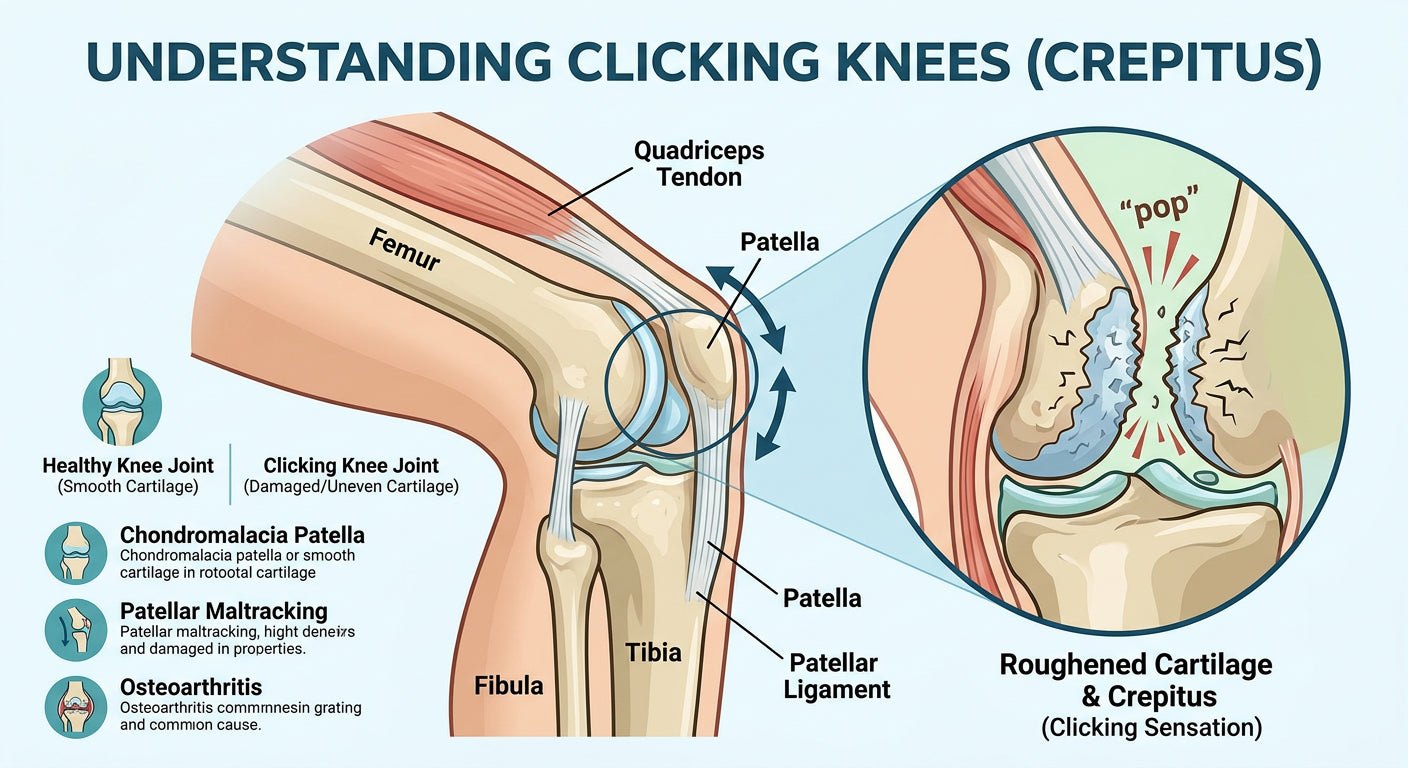
Clicking knees are a common phenomenon, often producing sounds ranging from pops and cracks to grinding sensations. While these sounds can sometimes be alarming, they are frequently harmless.
When Clicking is Harmless
Many instances of clicking in the knee are completely normal and painless. This phenomenon, often referred to as crepitus, can be attributed to several factors:
- Gas Bubbles: Synovial fluid, which lubricates your joints, contains gases. When you bend or straighten your knee, these bubbles can burst, producing an audible pop. This is similar to cracking your knuckles.
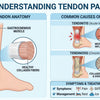
- Tendon and Ligament Movement: Tendons (which connect muscle to bone) and ligaments (which connect bone to bone) can sometimes snap over bony protrusions or other tissues as the joint moves. This typically feels like a click or a thud and is usually not accompanied by discomfort.
- Articular Cartilage: The smooth cartilage covering the ends of bones can sometimes cause soft sounds as surfaces glide over each other.

When Clicking Knees May Indicate a Problem
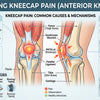
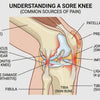
While most clicking sounds are benign, they can sometimes be a symptom of an underlying issue, especially when accompanied by pain, swelling, stiffness, or a feeling of instability. Potential causes of problematic clicking knees include:
- Meniscus Tears: The menisci are C-shaped cartilage pads that act as shock absorbers in your knee. A tear in one of these can cause clicking, popping, catching, or locking sensations, often with pain. Many wonder, will walking on a torn meniscus make it worse? And for those with such an injury, an important question is also, will a knee brace help a torn meniscus?
- Patellofemoral Pain Syndrome (Runner's Knee): This condition involves pain around or behind the kneecap. It can cause grinding or crunching sounds during activity, particularly when bending the knee. Finding the best knee support for patellofemoral pain can often help manage symptoms.
- Chondromalacia Patella: This is a softening and breakdown of the cartilage on the underside of the kneecap, leading to grinding or creaking sensations, especially with movement or prolonged sitting.
- Ligament Injuries: While less common with clicking, severe ligament damage (such as an ACL tear) can sometimes lead to instability and accompanying sounds.
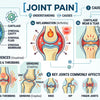
- Osteoarthritis: Degeneration of joint cartilage can cause bones to rub against each other, leading to grinding, clicking, and pain, especially with movement.
- Loose Bodies: Small fragments of bone or cartilage can break off within the joint and float around, causing clicking, catching, or locking as they get caught between moving parts.
- Patellar Instability: If your patella (kneecap) doesn't track properly in its groove, it can cause clicking and a sensation of your knee popping out of place.
Diagnosis: When to Seek Professional Advice
If your clicking knees are accompanied by pain, swelling, warmth, limited range of motion, weakness, or a feeling of instability, it's crucial to consult a healthcare professional. They will typically:
- Take a Detailed Medical History: Ask about your symptoms, activities, and any past injuries.
- Perform a Physical Examination: Assess your knee's range of motion, stability, and strength, and identify areas of tenderness or swelling. They may perform specific tests to evaluate ligaments and menisci.
- Order Imaging Tests: X-rays can reveal bone abnormalities or signs of arthritis. MRI scans are excellent for visualizing soft tissues such as cartilage, tendons, and ligaments, helping diagnose meniscus tears and other soft-tissue injuries.
Treatment and Management Options
For symptomatic clicking, options may include:
- Rest, Ice, Compression, and Elevation (RICE): For acute injuries causing pain and swelling.
- Activity Modification: Adjusting or temporarily stopping activities that aggravate the knee.
- Physical Activity: Strengthening the muscles around the knee (quadriceps, hamstrings, glutes) and improving flexibility can enhance stability and reduce stress on the joint.
- Supportive Products: Using supportive products for the knee can help reduce discomfort and provide stability during activity, especially for conditions like patellofemoral pain. For a wide range of options, consider exploring supportive solutions for knee discomfort.
- Pain Management: Over-the-counter pain relievers or anti-inflammatory medications.
- Injections: In some cases, injections (e.g., corticosteroids, hyaluronic acid) may be considered.
- Surgery: For severe tears or mechanical issues that don't respond to conservative treatment, surgery might be recommended to repair or remove damaged tissue.
Prevention and Long-Term Management
Maintaining good knee health can help prevent or manage problematic clicking:
- Regular Exercise: Keep your leg muscles strong and flexible.
- Proper Warm-up and Cool-down: Always prepare your body for physical activity and aid recovery afterward.
- Listen to Your Body: Avoid pushing through pain.
- Maintain a Healthy Weight: Reduce stress on your joints.
- Use proper technique, especially during sports or heavy lifting, to avoid putting undue strain on your knees.
- Consider Protective Gear: For athletes, understanding what are the best braces for high-impact sports protection can be crucial in safeguarding the joints.
-
Posted in
Knee Injuries