Elbow Hyperextension
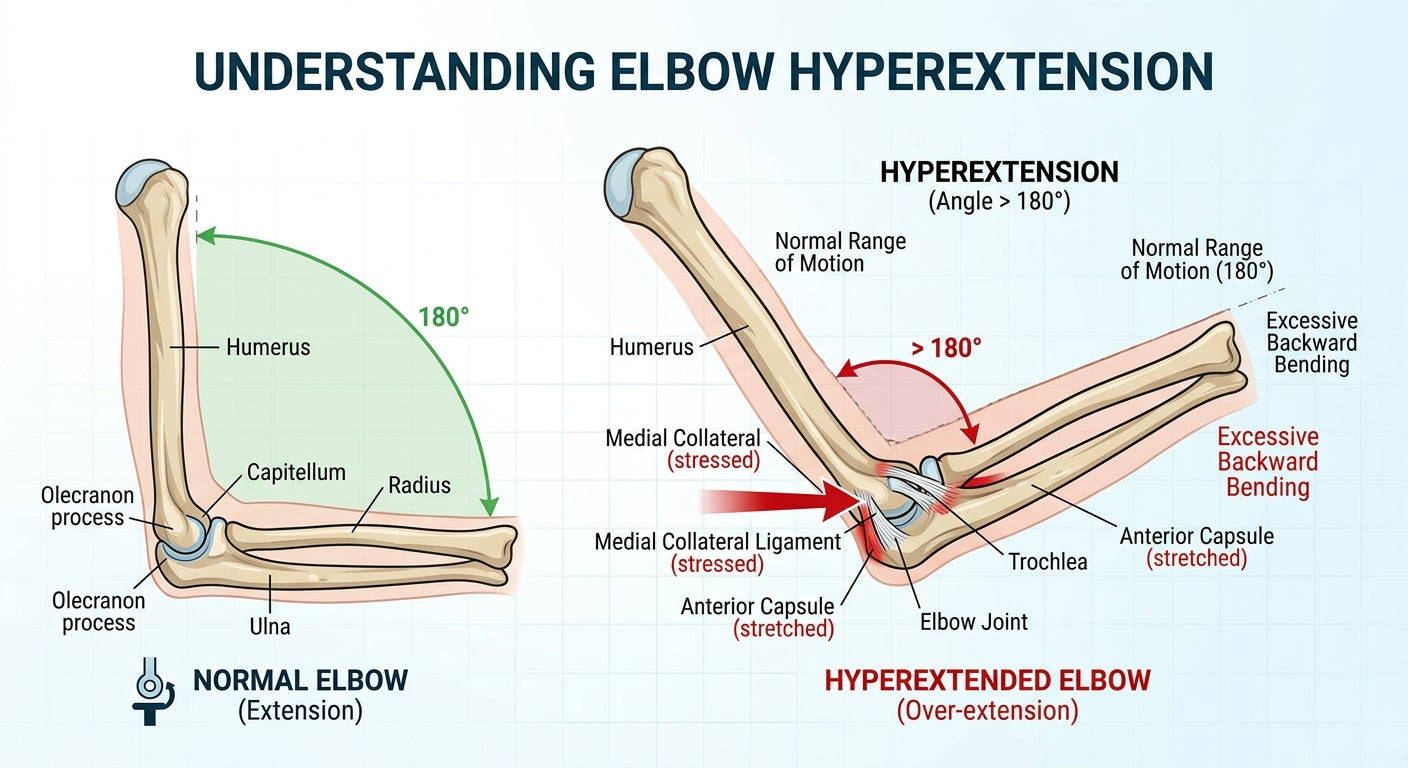
An elbow hyperextension injury occurs when the elbow joint is forced beyond its normal range of motion, bending backward further than it should. This common injury, particularly prevalent in athletes, can range from a mild strain to a severe ligament tear or even a fracture. The elbow is a complex joint, supported by various ligaments, tendons, and muscles, all of which can be affected when the arm is suddenly overextended.
Causes of Elbow Hyperextension
This injury often results from a sudden, forceful impact or movement that pushes the elbow joint past its natural limits. Common causes include:
- Falling onto an Outstretched Hand (FOOSH): This is one of the most frequent causes, especially when the impact occurs with the arm straight, forcing the elbow backward.
- Contact Sports: Activities such as football, basketball, gymnastics, and wrestling frequently put athletes at risk of elbow injuries due to tackles, falls, or sudden movements that can cause the elbow to lock and extend excessively.
- Specific Athletic Movements: Actions such as blocking a shot in basketball, performing certain gymnastics maneuvers, or weightlifting gone wrong, where the arm extends too far too quickly, can lead to this injury.
- Repetitive Stress: While less common for acute hyperextension, certain activities can weaken the joint's supporting structures over time, making it more susceptible to injury.
Symptoms of Elbow Hyperextension
Recognizing the symptoms of an elbow hyperextension is crucial for prompt treatment. These can vary depending on the severity of the injury, but commonly include:
- Immediate Pain: Often sharp and intense at the time of injury, localized around the elbow.
- Swelling and Bruising: Developing shortly after the injury, indicating internal tissue damage and inflammation.
- Limited Range of Motion: Difficulty bending or straightening the arm, often accompanied by pain and stiffness.
- Weakness: A feeling of instability or reduced strength in the affected arm, making it difficult to perform daily tasks.
- Clicking or Popping Sensation: In more severe cases, a distinct sound or sensation might be heard or felt at the moment of injury, suggesting a ligament tear.
- Numbness or Tingling: If nerves are affected, this is a less common symptom.
Diagnosis
Diagnosing an elbow hyperextension typically begins with a thorough physical examination by a healthcare professional. They will assess the elbow's stability, range of motion, and tenderness. To accurately determine the extent of the injury and rule out other conditions, imaging tests may be ordered:
- X-rays: Primarily used to check for bone fractures or dislocations that might accompany the hyperextension.
- MRI (Magnetic Resonance Imaging): Can provide detailed images of soft tissues, including ligaments, tendons, and cartilage, to identify tears or other damage that X-rays cannot reveal.

Treatment Options for Elbow Hyperextension
Treatment for elbow hyperextension depends on injury severity, ranging from conservative home care to surgical intervention.
-
RICE Protocol: For mild to moderate injuries, the RICE method is often recommended:
- Rest: Avoid activities that aggravate the elbow to allow healing.
- Ice: Applying ice packs to reduce swelling and pain, typically for 15-20 minutes several times a day.
- Compression: Using a compression bandage can help minimize swelling and provide light support.
- Elevation: Keeping the elbow raised above the heart can also reduce swelling.
- Physical Therapy: A cornerstone of recovery, physical therapy involves exercises to restore strength, flexibility, and range of motion. A therapist can guide you through specific stretches and strengthening routines tailored to your recovery goals.
- Activity Modification: Temporarily adjusting or avoiding activities that stress the elbow is essential. For athletes, this might mean taking a break from training or competition. Gradually reintroducing activities under professional guidance is key to preventing re-injury.
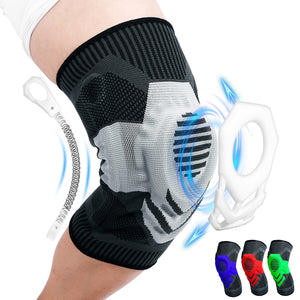
- Supportive Devices: To protect the healing elbow and prevent further hyperextension, supportive devices can help. These might include sleeves, wraps, or more rigid supports, depending on the extent of the injury. For individuals seeking a deeper understanding of elbow hyperextension and its management, proper support is often a crucial component. Athletes, especially those in high-impact sports, often consider a football arm brace for added stability during play. When exploring recovery or prevention strategies, assessing elbow support options can help you find the right fit. If you're looking for an elbow brace to prevent hyperextension, specialized products are designed for this purpose. If you experience persistent discomfort, finding the best elbow brace for pain is important for daily comfort and healing. Weightlifters, for example, often use an elbow brace for weightlifting to enhance performance and protect their joints. In general, exploring effective elbow braces for pain relief can significantly improve comfort and recovery. Knowing how to choose the right elbow brace ensures you select the most effective support for your specific needs.
- Medication: Over-the-counter pain relievers and anti-inflammatory drugs (NSAIDs) can help manage pain and reduce swelling. In some cases, a doctor might prescribe stronger medication.
- Surgery: Surgical intervention is rare for elbow hyperextension but may be necessary for severe injuries involving significant ligament tears that don't heal with conservative treatment, or if there's an associated fracture requiring repair.
Prevention of Elbow Hyperextension
Preventing elbow hyperextension involves a combination of strength, flexibility, and proper technique, especially for athletes.
- Strengthening Exercises: Focus on building strong muscles around the elbow, including biceps, triceps, and forearm muscles, to enhance joint stability and resilience.
- Flexibility and Stretching: Regular stretching can improve the elbow's range of motion, reducing stiffness and the likelihood of hyperextension during sudden movements.
- Proper Technique: In sports, learning and consistently applying correct form for movements that stress the elbow is crucial. Coaches and trainers can provide invaluable guidance.
- Protective Gear: In high-risk sports, using appropriate protective gear can help prevent the elbow from extending beyond its natural limits. This is also important for individuals concerned about placing a golfer's elbow brace correctly to ensure optimal protection.
Recovery Timeline
The recovery timeline for elbow hyperextension varies widely based on the severity of the injury. Mild strains might heal within a few weeks with proper rest and care. More severe ligamentous injuries can take several months to fully recover, especially if physical therapy is involved to regain full function and strength.
When to See a Doctor
While mild elbow hyperextensions can often be managed at home with RICE, it's important to know when to seek professional medical advice. Consult a doctor if you experience:
- Severe pain that doesn't improve with rest and over-the-counter pain relievers.
- Significant swelling or bruising that worsens or persists.
- Inability to move your elbow or arm normally, or severe difficulty bending or straightening it.
- A visible deformity around the elbow joint, which could indicate a dislocation or fracture.
- Numbness, tingling, or weakness in your hand or fingers, suggesting possible nerve involvement.
- A distinct popping or clicking sound at the time of injury, as this often points to a more serious ligament tear.
-
Posted in
Elbow injury