Shoulder Dislocation
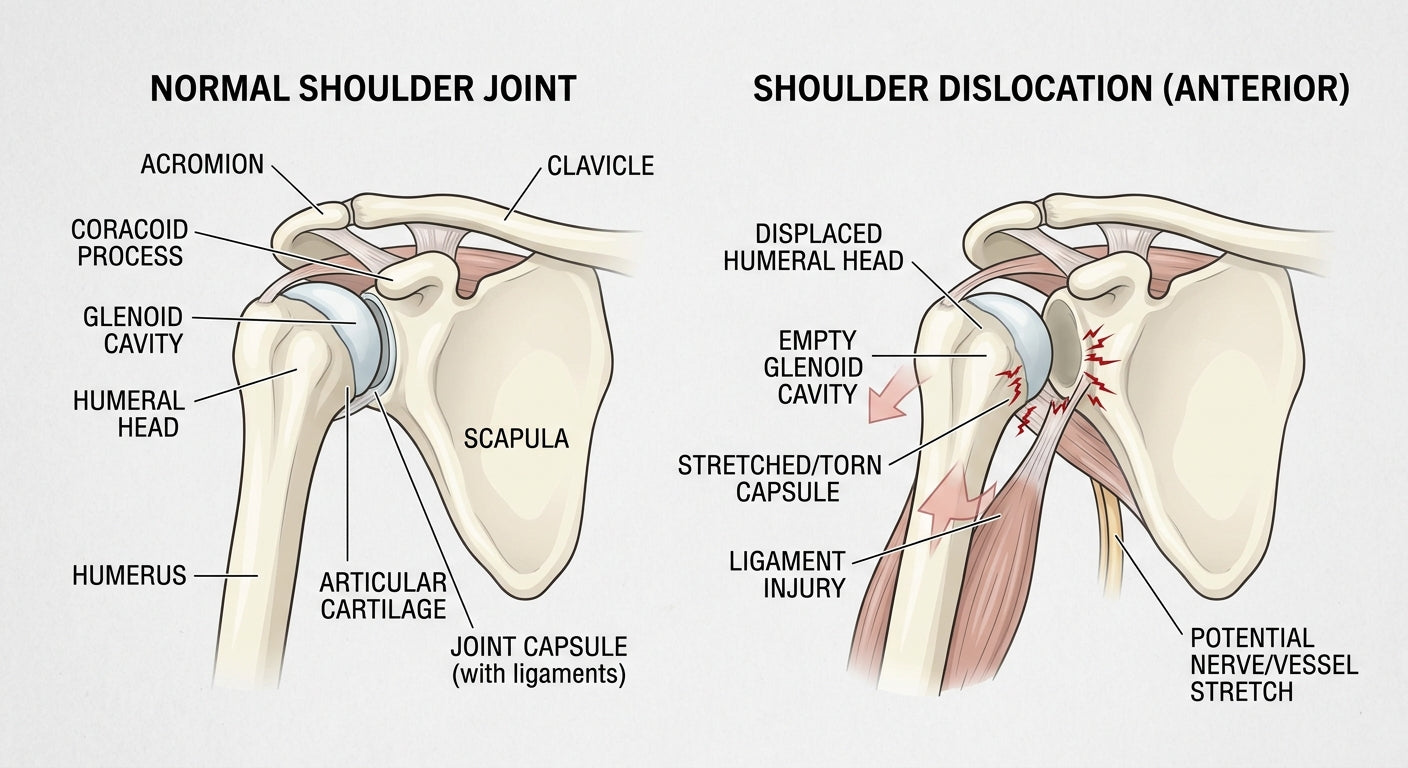
A shoulder dislocation occurs when the head of your upper arm bone (humerus) is forced out of its socket in the shoulder blade (scapula). This is a common injury, particularly among athletes and individuals engaged in activities that carry a risk of falls or direct impact.
The shoulder is the body's most mobile joint, allowing for a wide range of motion. However, this flexibility comes at the cost of stability, making it highly susceptible to dislocation. When the humerus separates from the glenoid, it can cause significant pain, instability, and temporary loss of function in the affected arm.
Types of Shoulder Dislocation
Shoulder dislocations are categorized based on the direction the humerus moves:
- Anterior Dislocation: This is the most common type, occurring when the humeral head moves forward and downward, often due to an impact or a fall onto an outstretched arm.
- Posterior Dislocation: Less common, this happens when the humerus head moves backward, usually from a direct blow to the front of the shoulder or a seizure.
- Inferior Dislocation: The rarest type, where the arm bone is dislodged downwards, often visible with the arm stuck overhead.
Causes and Risk Factors
Shoulder dislocation typically results from trauma. Common causes include:
- Sports Injuries: High-impact sports like football, rugby, and hockey, as well as overhead movements in activities like basketball and volleyball, can lead to dislocations.
- Falls: Falling onto an outstretched arm or directly onto the shoulder can force the joint out of place.
- Accidents: Car accidents or other significant impacts can cause severe enough trauma to dislocate the shoulder.
- Previous Dislocation: Once a shoulder has dislocated, the ligaments and capsule around the joint may be stretched or torn, making it more prone to future dislocations. This is often referred to as shoulder instability.
- Ligamentous Laxity: Some individuals naturally have looser ligaments, increasing their predisposition to joint dislocations.
Recognizing the Symptoms
- Intense Pain: Immediate and severe pain in the shoulder area.
- Visible Deformity: The shoulder may appear out of place, with a bump or unnatural contour.
- Swelling and Bruising: Inflammation and discoloration around the joint.
- Limited Movement: Inability to move the arm from the injured shoulder.
- Numbness or Tingling: Sensations of numbness, tingling, or weakness in the arm or hand if nerves are affected.
- Muscle Spasms: Muscles around the shoulder may spasm, which can increase pain.
It's crucial to seek immediate medical attention if you suspect a shoulder dislocation. Do not attempt to pop the shoulder back into place yourself, as this can cause further damage to nerves, blood vessels, or surrounding tissues.
Treatment and Recovery
The immediate goal of treatment is to return the humerus to its normal position, a procedure known as "reduction."

Non-Surgical Treatment
After the shoulder has been reduced, the focus shifts to protecting the joint and promoting healing.
- Immobilization: The arm is typically placed in a sling for a few weeks to prevent movement and allow the torn ligaments and capsule to heal. Learning how to put on a shoulder brace correctly is important for proper support.
- Pain Management: Over-the-counter pain relievers or prescription medications may be used to manage discomfort.
- Physical Therapy: Once the initial pain and swelling subside, a physical therapy program will begin. This typically involves exercises to restore range of motion, strengthen the muscles around the shoulder, and improve stability. Consistency with physical therapy is key to a successful recovery and preventing future dislocations. Many wonder, do shoulder braces work? They can provide stability and compression during recovery and activity.
Surgical Treatment
Surgery may be recommended in cases of recurrent shoulder dislocation, significant soft tissue damage (like a substantial labral tear or rotator cuff tear), or for young, active individuals at high risk of re-dislocation. The goal of surgery is to repair the damaged tissues and tighten the joint capsule to enhance stability. Recovery after surgery involves a period of immobilization followed by an intensive physical therapy program, similar to non-surgical treatment but often with a longer recovery timeline.
Preventing Re-dislocation and Long-Term Care
- Strengthening Exercises: Continuing a dedicated exercise program to build strength in the rotator cuff and scapular muscles is vital.
- Activity Modification: Avoiding movements or activities that put the shoulder at risk of re-dislocation, especially during the initial healing phase.
- Protective Gear: Athletes may benefit from wearing a shoulder brace to prevent dislocation during sports, providing additional support and limiting extreme movements.
- Awareness of Symptoms: Be mindful of any lingering discomfort or instability. If you experience persistent right shoulder pain, heart attack symptoms, or any unusual discomfort, consult a healthcare professional.
For those prone to instability, a double-compression shoulder brace, or even the best double shoulder support brace, might be considered to enhance support during certain activities. If your injury also involves a torn rotator cuff, specific shoulder brace options are available. Specialized shoulder support designed for rotator cuff injuries can be critical for proper healing and stability. Healing a sprained shoulder involves a similar rehabilitation approach, focusing on rest, gentle movement, and strengthening.
-
Posted in
Shoulder pain