Shoulder Tendonitis
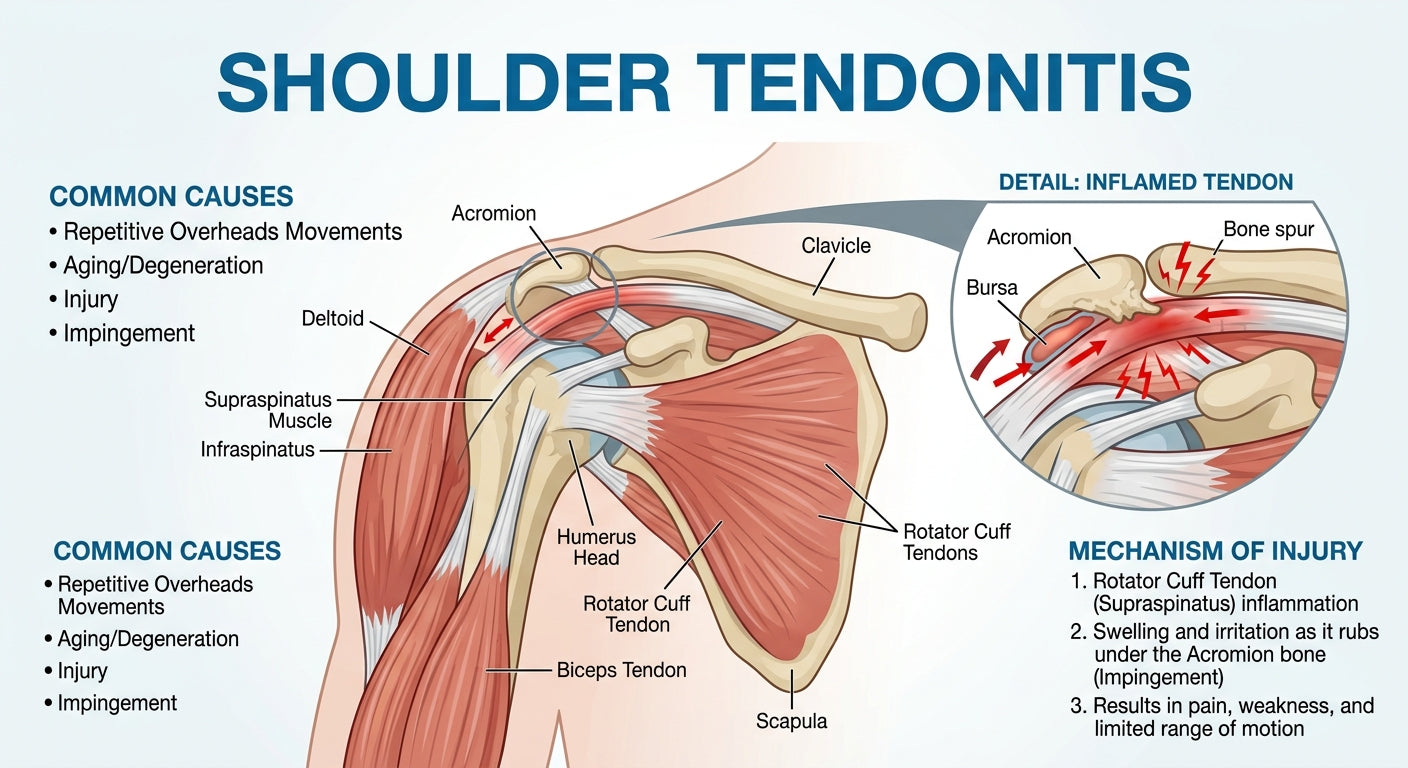
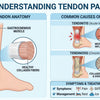
Shoulder tendonitis, also known as rotator cuff tendonitis or biceps tendonitis, is a common condition characterized by inflammation or irritation of the tendons in the shoulder. These strong, fibrous cords connect muscle to bone, and when they become inflamed, they can cause significant pain and limit the shoulder's range of motion.
The shoulder is a complex ball-and-socket joint, renowned for its incredible mobility. This flexibility, however, comes with a trade-off: it's also susceptible to injury. The rotator cuff, a group of four muscles and their tendons, is central to shoulder movement and stability. Similarly, the biceps tendon, running down the front of the upper arm, plays a role in arm movement and shoulder stability. When these tendons are overused or injured, they can develop tendonitis, leading to discomfort and functional impairment.
What Causes Shoulder Tendonitis?
Shoulder tendonitis typically arises from repetitive overhead activities or sudden injuries. It's often an overuse injury, common among athletes in sports like baseball, swimming, and tennis, as well as among individuals whose jobs require frequent arm elevation. However, it can also develop from everyday activities or aging.
The common causes of shoulder injuries leading to tendonitis include:
- Repetitive Overhead Motion: Activities that repeatedly stress the shoulder tendons, such as painting, carpentry, or lifting.
- Sudden Injury: A fall or direct impact to the shoulder can sometimes lead to acute tendonitis.
- Poor Posture: Incorrect posture can alter shoulder mechanics, increasing strain on tendons.
- Aging: As we age, tendons naturally lose some of their elasticity and become more susceptible to injury.
- Underlying Conditions: Certain systemic diseases, like rheumatoid arthritis, can contribute to tendon inflammation.
Recognizing the Symptoms
- Pain: Often a dull ache, worsened by moving the arm, especially overhead. It might radiate down the arm.
- Stiffness: A limited range of motion in the shoulder, particularly when trying to lift the arm.
- Weakness: Difficulty lifting objects or performing tasks that require arm strength.
- Clicking or Catching Sensation: Some individuals report a clicking, grinding, or catching sensation with certain movements.
- Tenderness: The affected area may be tender to the touch.
- Night Pain: Pain that disrupts sleep, especially when lying on the affected side.
Diagnosing Shoulder Tendonitis
Accurate diagnosis begins with a thorough physical examination by a healthcare professional. They will assess your range of motion, strength, and tenderness. Imaging tests, such as X-rays, MRI, or ultrasound, may be used to confirm the diagnosis, rule out other conditions, such as a healing shoulder sprain, or assess the extent of tendon damage, including potential tears.

Treatment Strategies for Shoulder Tendonitis
The primary goal of treating shoulder tendonitis is to reduce pain and inflammation, restore function, and prevent recurrence. Most cases respond well to conservative treatments.
Conservative Approaches
- Rest: Avoiding activities that aggravate the shoulder is paramount. This might involve modifying work or sports activities.
- Ice: Applying ice packs to the affected area for 15-20 minutes several times a day can help reduce inflammation and pain.
- Medication: Over-the-counter non-steroidal anti-inflammatory drugs (NSAIDs) can help manage pain and inflammation. Always consult with a healthcare provider before starting any medication regimen.
- Physical Therapy: A tailored physical therapy program is often the cornerstone of recovery. It focuses on gentle stretching to improve flexibility and strengthening exercises for the rotator cuff and surrounding muscles to enhance stability and support.
- Injections: For persistent pain, a healthcare professional might recommend corticosteroid injections directly into the area around the inflamed tendon. These can provide significant, though often temporary, pain relief.
Supportive Measures
In addition to the above, various supportive measures can aid recovery. For instance, knowing how to wrap your shoulder by yourself can provide temporary relief and support during daily activities. The question of do shoulder braces work for tendonitis is common, and while they don't cure the condition, a shoulder support for tendonitis can help stabilize the joint, reduce strain, and remind you to avoid provocative movements. Similarly, for other conditions, understanding whether shoulder braces work for rotator cuff issues, or whether a shoulder brace for a torn rotator cuff is beneficial, can guide patients to appropriate support solutions, including dedicated shoulder support for a torn rotator cuff. For conditions like shoulder impingement support, specific supports can also offer comfort and aid recovery.
Surgical Intervention
Surgery is rarely needed for shoulder tendonitis and is typically reserved for cases where conservative treatments have failed after several months or for those with an associated full-thickness tendon tear. Surgical options might involve debridement (removing damaged tissue) or repair of a torn tendon.
Prevention and Long-Term Outlook
- Proper Technique: Ensure correct form when performing sports or work activities that involve overhead arm movements.
- Warm-Up and Cool-Down: Always prepare your muscles before activity and stretch afterward.
- Strength Training: Focus on strengthening the rotator cuff and scapular stabilizer muscles to improve shoulder resilience.
- Gradual Increase: Avoid sudden increases in activity intensity or duration.
- Listen to Your Body: Don't push through pain. Rest when needed.
With appropriate treatment and adherence to rehabilitation protocols, most individuals with shoulder tendonitis experience a full recovery and return to their normal activities. Early intervention is key to preventing the condition from becoming chronic.
-
Posted in
Shoulder pain