Shoulder Instability
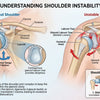
The shoulder is an incredibly mobile joint, allowing for a wide range of motion essential for daily activities, sports, and work. However, this mobility comes at a cost: a susceptibility to instability. Shoulder instability occurs when the structures surrounding the shoulder joint – including ligaments, the joint capsule, and muscles – are unable to keep the head of the humerus (upper arm bone) securely centered within the glenoid fossa (shoulder...

Shoulder Arthroscopy
Shoulder arthroscopy is a sophisticated surgical technique that allows orthopedic specialists to diagnose and treat a wide range of shoulder problems with minimal invasiveness. Using small incisions, a miniature camera (arthroscope), and specialized instruments, this procedure provides a clear view of the joint without the need for large incisions. Patients often experience less pain, smaller scars, and a quicker return to daily activities compared to traditional open surgery. When Is...

Shoulder Exercises
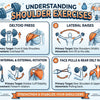
The shoulders are pivotal joints, crucial to nearly every upper-body movement, from lifting groceries to reaching for a high shelf. Maintaining their strength, flexibility, and stability is essential for daily function, athletic performance, and preventing discomfort. Neglecting these vital joints can lead to various issues that impact quality of life. Foundational Principles for Effective Shoulder Workouts Warm-up: Always begin with light cardio and dynamic stretches to prepare the muscles and...

Shoulder Bursitis
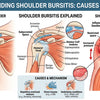
Shoulder bursitis is a common condition characterized by inflammation of the bursa, a small, fluid-filled sac that reduces friction between bones, tendons, and muscles around the shoulder joint. When these protective sacs become irritated or inflamed, it can cause significant pain and limit the shoulder's range of motion, affecting daily activities and overall quality of life. What is Shoulder Bursitis? The shoulder joint contains several bursae, with the subacromial bursa...

Shoulder Arthritis
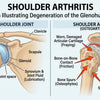
Shoulder arthritis is a common condition in which cartilage in the shoulder joint breaks down, causing pain, stiffness, and reduced mobility. This degenerative process can significantly impact daily activities and quality of life. The shoulder is a complex ball-and-socket joint, comprising the humerus (upper arm bone), scapula (shoulder blade), and clavicle (collarbone). Smooth cartilage covers the ends of these bones, allowing them to glide effortlessly during movement. When this protective...

Frozen Shoulder
Frozen shoulder, medically known as adhesive capsulitis, is a condition characterized by stiffness and pain in the shoulder joint. It gradually restricts your range of motion, making everyday tasks challenging. While it is often painful and debilitating, understanding its nature, stages, and management options can empower individuals on their path to recovery. What is Frozen Shoulder? Frozen shoulder occurs when the capsule of connective tissue surrounding the shoulder joint thickens...

Shoulder Pain Guide
Shoulder pain is a common musculoskeletal issue that can affect people of all ages, from athletes to office workers. The shoulder is one of the most mobile joints in the body, allowing a wide range of motion for everyday activities such as lifting, reaching, and rotating the arm. However, this flexibility also makes it more vulnerable to injury, overuse, and degenerative conditions. Because the shoulder is used so frequently in...

Elbow Sprains
Elbow sprains are common injuries that occur when the tough ligaments connecting the bones in your elbow joint are stretched or torn. These ligaments are crucial for elbow stability, allowing smooth, controlled movement. Whether it's a minor strain or a severe tear, an elbow sprain can significantly impact your daily activities and athletic performance. What Causes Elbow Sprains? Elbow sprains typically result from sudden, forceful movements that push the elbow...

Golfer's Elbow
Golfer's elbow, medically known as medial epicondylitis, is a common condition characterized by pain and inflammation on the inner side of the elbow. Despite its name, you don't have to be a golfer to develop it; it often affects people who do activities that require repetitive wrist flexion and forearm rotation, such as tennis players, baseball pitchers, bowlers, and even those with certain occupational demands. This condition arises from damage...

Elbow Arthritis
The elbow joint, a marvel of anatomical engineering, allows for a wide range of motion essential for countless daily activities, from lifting a cup to throwing a ball. However, when arthritis affects this joint, these simple movements can cause persistent pain, stiffness, and discomfort. Elbow arthritis is a condition characterized by inflammation of the elbow joint, leading to cartilage breakdown and changes in the underlying bone. Types of Elbow Arthritis Elbow...

Elbow Hyperextension
An elbow hyperextension injury occurs when the elbow joint is forced beyond its normal range of motion, bending backward further than it should. This common injury, particularly prevalent in athletes, can range from a mild strain to a severe ligament tear or even a fracture. The elbow is a complex joint, supported by various ligaments, tendons, and muscles, all of which can be affected when the arm is suddenly overextended. ...

Tennis Elbow
Tennis elbow, medically known as lateral epicondylitis, is a common condition characterized by pain on the outside of the elbow. People often confuse it with golfer's elbow, which causes pain on the inner side of the elbow. Despite its name, you don't have to play tennis to develop this condition. It affects a wide range of people, from athletes to office workers, because of repetitive wrist and arm motions. What...

Elbow Pain Guide
Elbow pain is a widespread musculoskeletal condition that can affect anyone, from athletes to people who perform repetitive everyday activities. It may result from overuse, acute injury, or underlying joint issues, and can make simple movements—such as lifting, gripping, or bending the arm—difficult and uncomfortable. The elbow functions as a hinge joint made up of three bones: the humerus, radius, and ulna. These structures are supported by surrounding muscles, tendons,...

Understanding Sciatica
Sciatica is a widely recognized term for pain that radiates along the sciatic nerve, the longest nerve in the human body. This nerve branches from your lower back through your hips and buttocks and down each leg. Typically, sciatica affects only one side of your body. The discomfort can range from a mild ache to a sharp, burning sensation or excruciating pain. It can feel like an electric shock and...

Upper Back Pain
Upper back pain, a common discomfort affecting many people, can feel like soreness, stiffness, or sharp pain between the shoulder blades and at the base of the neck. Although less common than lower back pain, it can still significantly affect daily activities, work productivity, and overall quality of life. What Causes Upper Back Pain? The upper back, or thoracic spine, is remarkably stable because it connects to the rib cage, making it...

Herniated Disc
A herniated disc, often referred to as a "slipped" or "ruptured" disc, is a common spinal condition that can lead to significant discomfort and impaired mobility. It occurs when the soft, jelly-like center of a spinal disc pushes through a tear in its tougher outer casing. This can irritate nearby nerves, resulting in pain, numbness, or weakness in the affected area. What is a Herniated Disc? Our spine is made...

Sacroiliac Joint Discomfort
Sacroiliac joint discomfort, often called SI joint pain, is a common condition that can cause significant pain in the lower back and buttocks, sometimes extending into the legs. The sacroiliac joints are located where the sacrum (the triangular bone at the base of your spine) meets the ilium (the large bones of your pelvis). These joints play a crucial role in transferring weight between your upper body and legs and...

Understanding Scoliosis
Scoliosis is a condition in which the spine curves abnormally sideways, often resembling an "S" or "C" shape. While a slight curve might be harmless, significant scoliosis can cause pain, discomfort, and, in severe cases, affect lung and heart function. Affecting millions worldwide, scoliosis can manifest at any age, though it is most commonly diagnosed during adolescence. Understanding the Different Types of Scoliosis Scoliosis isn't a single condition but rather...

Lower Back Pain
Lower back pain is remarkably common, affecting a significant portion of the global population at some point in their lives. From a dull, persistent ache to sudden, sharp discomfort, it can significantly disrupt daily activities and reduce quality of life. The lumbar region of the spine, designed for both strength and flexibility, is susceptible to many issues because it supports body weight and enables movement. Causes of Lower Back Pain:...

Back Pain Guide
Back pain is one of the most common musculoskeletal complaints, affecting people of all ages and activity levels. Whether caused by poor posture, muscle strain, or underlying spinal conditions, back pain can significantly impact daily movement, work performance, and overall quality of life. Your back is a complex structure made up of bones, muscles, ligaments, discs, and nerves that work together to support your body and enable movement. Because it...

Foot Arch Pain
Arch pain is a common and often debilitating issue that can affect your ability to stand, walk, and participate in daily activities. The arch of your foot, a complex structure of bones, ligaments, and tendons, is designed to absorb shock and provide stability. When this system is compromised, the resulting discomfort can be significant. What Causes Pain in the Arch of the Foot? Several conditions and factors can contribute to...

Achilles Tendonitis
Achilles tendonitis is a common condition that causes pain and inflammation in the Achilles tendon, the strong band of tissue that connects your calf muscles to your heel bone. This overuse injury, common among runners, weekend warriors, and active individuals, can range from a mild annoyance to a debilitating problem. What is the Achilles Tendon? To understand Achilles tendonitis, it’s important to first appreciate the tendon itself. The Achilles tendon...

Ankle Instability
Often developing after a previous injury, ankle instability is not something you have to live with. Understanding its causes, symptoms, and effective management strategies is the first step toward regaining stability and strength. What Causes Ankle Instability? The most frequent cause of chronic ankle instability is an ankle sprain that hasn't healed completely or properly. When you sprain your ankle, the ligaments—the strong, fibrous bands that connect bones—can get stretched...

Ball of Foot Pain
Pain in the ball of the foot, medically known as metatarsalgia, is a common ailment that can stop you in your tracks. This sharp, aching, or burning sensation is felt in the area between your toes and your arch, which contains the metatarsal bones. Whether you're an athlete, someone who spends long hours on your feet, or simply experiencing new discomfort, understanding the root cause is the first step toward...

Osteoarthritis of the Ankle
While many people associate osteoarthritis with the hips and knees, the ankle is also a common site for this degenerative joint condition. Osteoarthritis of the ankle occurs when the smooth cartilage that cushions the bones of the ankle joint gradually wears down. Without this protective cartilage, bones can rub directly against each other, leading to pain, stiffness, and a significant impact on mobility. What is Osteoarthritis of the Ankle? The...

Cavus Foot
While many people know about "flat feet," its opposite condition, cavus foot, is less common but can be just as problematic. Cavus foot is characterized by an abnormally high arch that doesn't flatten when bearing weight. This rigid, high arch can lead to a host of issues, from foot pain to instability, significantly impacting a person's mobility and quality of life. Unlike a flexible foot that effectively absorbs shock, a cavus foot...

Achilles Bursitis
Achilles bursitis is a common condition that causes pain and inflammation at the back of the heel. It involves the bursa, a small, fluid-filled sac located between your Achilles tendon and your heel bone. This sac cushions and reduces friction, but when it becomes irritated, it can cause significant discomfort. Understanding this condition is the first step toward finding relief and getting back to your daily activities, often beginning with...

Ankle Stress Fractures
An ankle stress fracture is not the result of a single, traumatic event like a fall or a twist. Instead, it’s an overuse injury—a small crack or severe bruising within one of the bones that make up the ankle joint. This injury develops over time when repetitive force and muscle fatigue prevent the bone from properly absorbing the shock of physical activity. It's common for athletes, runners, and anyone who...

Flat Foot
Flat feet, clinically known as pes planus, mean the arch of your foot is flattened, allowing the entire sole to touch the floor when you stand. This is a common and often painless condition. For many, flat feet are simply a normal variation in foot type. But when the arch collapses, it is sometimes called a fallen arch, which can develop in adulthood and may require attention. What Causes Flat Feet? The...

Ankle Bunions
When you hear the word "bunion," you likely picture a bony bump at the base of the big toe. A similar, equally painful bump can form on the back of your heel, often called an "ankle bunion." This common term typically refers to Haglund's Deformity, a bony enlargement at the back of the heel bone that can cause significant discomfort and inflammation. Unlike a traditional bunion (hallux valgus), an ankle...

Heel Spurs
Heel spurs are bony, calcium-deposit growths on the underside of the heel bone. While the idea of a bony protrusion sounds alarming, they are common and often manageable with conservative treatments. What Causes Heel Spurs? Heel spurs don't appear overnight. They develop over a long period due to repetitive stress and strain on the foot's muscles and ligaments, particularly the plantar fascia—the thick band of tissue that connects your heel...

Plantar Fasciitis
That sharp, stabbing pain in your heel with your first steps in the morning can be more than just a nuisance; it's the hallmark sign of Plantar Fasciitis. This common condition affects millions of people, from dedicated athletes to individuals who spend long hours on their feet. It occurs when the plantar fascia, the thick band of tissue that runs across the bottom of your foot connecting your heel bone...

Ankle Sprain
An ankle sprain is one of the most common musculoskeletal injuries, affecting everyone from professional athletes to people who simply step off a curb incorrectly. Understanding what an ankle sprain is, its severity, and the proper treatment steps is crucial for a full and speedy recovery. What is an Ankle Sprain? Contrary to what some might think, an ankle sprain is not an injury to the bone or muscle. It...

Heel Pain
Heel pain is one of the most common foot-related complaints, affecting people of all ages and activity levels. Whether you're an athlete, a busy professional, or simply someone who enjoys a daily walk, understanding the source of your heel pain is the first step toward finding lasting relief. What Are the Common Causes of Heel Pain? Heel pain isn't a one-size-fits-all condition. The location of the discomfort provides crucial clues...

Broken Ankle
A broken ankle, or ankle fracture, is a common injury that can happen to anyone, from competitive athletes to people who simply misstep on an uneven surface. It involves a break in one or more of the bones that make up the ankle joint: the tibia (shinbone), the fibula (the smaller bone in the lower leg), and the talus (a small bone between the heel and the tibia/fibula). Compare common causes and symptoms...

Ankle Pain Guide
The ankle joint is a complex hinge joint that plays a critical role in both movement and lower-limb stability. It connects the leg to the foot and is formed by three primary bones: the tibia, fibula, and talus. These bones are supported by key ligaments—including the deltoid ligament, anterior talofibular ligament (ATFL), posterior talofibular ligament (PTFL), and calcaneofibular ligament (CFL)—which work together to maintain joint integrity and prevent excessive motion....