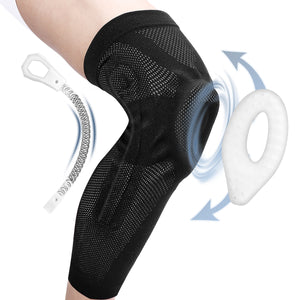
Elbow Guard for Tennis Elbow
- Black
- Grey
- Blue
- Purple
- Pink
- Black
- Dusty Blue
- Blue
- Pink
- White
- Pink
- White
- Yellow
- Purple
- Black
- Black
- Grey
- Grey
- Black
- Blue
- Grey
- Blue
- Black
- Black
- Blue
Is It Okay to Lift Weights with a Tennis Elbow?
Lifting weights with a tennis elbow is generally permissible, provided that specific modifications, protective gear, and cautious training strategies are implemented to prevent further strain on the affected tendons. Continuing a fitness routine requires a careful balance between maintaining muscle mass and allowing the forearm tendons to heal.
Understanding Training Adjustments and Modifying Workouts
When managing discomfort on the outer side of the joint, continuing with a standard lifting routine may not be advisable. Adjusting the selection of exercises helps ensure that fitness goals are met without overloading the vulnerable tissues.
Shifting to Low-Impact Movements: Replacing heavy, grip-intensive compound lifts with isolated movements can significantly reduce stress on the forearm muscles. For instance, substituting traditional pull-ups with open-hand lat pulldowns minimizes intense gripping.
Altering Grip Style: Utilizing a neutral grip (palms facing each other) during pressing and pulling exercises tends to distribute forces more evenly across the arm, reducing the direct torque placed on the lateral epicondyle.
Reducing the Load: Decreasing the amount of weight lifted while increasing the repetition range allows the muscles to achieve stimulation without forcing the tendons to endure excessive mechanical stress.
Utilizing Joint Stabilization and Protective Gear
Integrating supportive equipment into a workout routine is a practical way to reduce joint stress during physical exertion. Proper external support helps redistribute forces away from the injured area.
Alleviating Localized Stress: Wearing an elbow guard sleeve provides targeted compression around the forearm musculature. This compression helps dampen the vibrations and tensile forces that travel up to the tendon attachment site during lifting movements.
Enhancing Joint Stability: The mechanical support offered by a dedicated elbow support for tennis elbow helps stabilize the joint, limiting erratic lateral movements that might aggravate the condition during complex exercises.
Promoting Blood Flow: The therapeutic warmth generated by compressive materials helps keep the surrounding soft tissues pliable, enhancing flexibility and comfort throughout the training session.
Implementing Target Conditioning and Rehabilitation Movements
Active recovery through focused, low-resistance conditioning is often a vital component of maintaining long-term joint health and preventing future strain.
Strengthening the Forearm Complex: Incorporating specific movements such as wrist curls and reverse curls helps build resilience in the muscles responsible for wrist extension and flexion.
Grip Endurance Training: Using light grip-strengthening tools with high repetitions helps condition the hands and forearms to handle external loads more efficiently.
Gradual Progression: Ensuring that any rehabilitation exercise begins with minimal resistance helps the tendons adapt to tension in a stepwise manner without triggering an inflammatory response.
Preparing Tissues Through Focused Warm-Ups
A structured preparation phase before lifting weights ensures the upper extremities are fully prepared for the upcoming physical demands.
Targeted Stretching: Performing gentle, static stretches of the wrist extensors and flexors can improve overall range of motion and reduce localized stiffness before gripping weights.
Localized Blood Flow Activation: Engaging in light cardio or high-repetition shadow movements increases circulation to the upper body, delivering oxygen and nutrients to the tendons.
Gradual Ramp-Up Sets: Executing several warm-up sets with an empty barbell or light resistance bands prepares the nervous system and musculature for the workout's specific movement patterns.