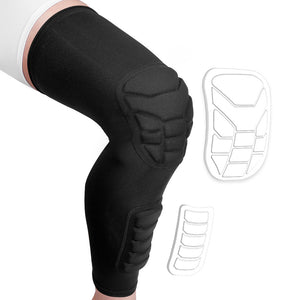
Elbow Splint for Ulnar Nerve
- Black
- Grey
- Blue
- Purple
- Pink
- Black
- Dusty Blue
- Blue
- Pink
- White
- Pink
- White
- Yellow
- Purple
- Black
- Black
- Grey
- Grey
- Black
- Blue
- Grey
- Blue
- Black
- Black
- Blue
Should I wear a Brace for the ulnar nerve?
Yes, using a dedicated joint support is a highly effective way to manage ulnar nerve discomfort and accelerate recovery. When compression occurs along the inner elbow pathway—often leading to persistent numbness, a prickling sensation, and weakness in the ring and little fingers—stabilizing the arm becomes vital. Implementing an ulnar elbow splint keeps the joint properly aligned, preventing excessive bending that can stretch the nerve pathway, thereby reducing localized irritation and allowing vulnerable tissues to heal more efficiently.
Physical Mechanics of Joint Immobilization
A specialized elbow splint acts as a reliable physical barrier against positions that aggravate nerve tissues. Maintaining proper joint angles serves several critical physiological purposes:
Restricting Extreme Flexion: Bending the arm narrows the cubital tunnel, which directly pinches the nerve. Keeping the joint in a semi-straight position maximizes the space inside the tunnel.
Preventing Nocturnal Irritation: Many individuals unconsciously curl their arms inward while sleeping. Wearing rigid support at night prevents this natural tendency, removing the primary source of overnight stress.
Minimizing Repetitive Friction: Restricting sudden or repetitive elbow movements reduces the continuous friction between the nerve and bone and muscle during daily tasks.
Optimal Times for Wearing Support Wearables
Targeted stabilization yields the best results when integrated into specific high-risk activities throughout the day and night:
Repetitive Workplace Tasks: Extended periods of typing, computing, or using manual hand tools place continuous tension on the forearm tendons and inner elbow joints.
Sedentary Relaxation: Even during passive activities like reading or watching media, the arm often remains bent for hours, making continuous stabilization highly beneficial.
Overnight Rest Cycles: Because sleep positions are difficult to control consciously, nighttime application ensures an uninterrupted window of joint decompression.
Holistic Strategies for Long-Term Recovery
While external stabilization offers immediate relief and protects the joint from micro-trauma, it functions best as part of a multi-faceted rehabilitation plan.
Rehabilitation Note: Relying solely on a brace provides temporary relief; permanent restoration requires addressing the biomechanical root causes through movement and environmental adjustments.
Nerve Gliding and Stretching: Incorporating targeted mobility exercises improves flexibility, allowing the nerve to slide smoothly through tissue pathways without catching.
Ergonomic Workspace Modifications: Adjusting desk heights, using padded armrests, and modifying seating positions eliminate environmental factors that force the elbow into sharp angles or hard surfaces.
Gradual Muscle Strengthening: Once acute irritation subsides, focused exercises for the forearm, shoulder, and upper back muscles help distribute loads more evenly throughout the arm.