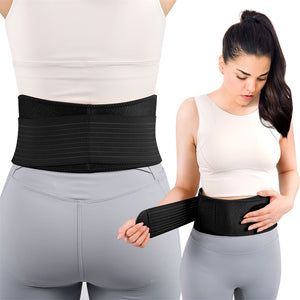
Elbow Stabilizer
- Black
- Grey
- Blue
- Purple
- Pink
- Black
- Dusty Blue
- Blue
- Pink
- White
- Pink
- White
- Yellow
- Purple
- Black
- Black
- Grey
- Grey
- Black
- Blue
- Grey
- Blue
- Black
- Black
- Blue
Do I Stabilize My Wrist for Tennis Elbow?
While tennis elbow manifests as burning pain on the outer part of the elbow, the root cause often originates lower down the arm. Stabilizing your wrist is one of the most effective strategies for managing and alleviating lateral epicondylitis (tennis elbow). Because the tendons that control your wrist extensions sprout directly from the elbow joint, immobilizing or supporting the wrist directly relieves the mechanical tension traveling up the forearm.
The Direct Kinetic Link Between Wrist Movement and Elbow Strain
Every time you grip, lift, or swing, the muscles in your forearm contract. When the wrist joint lacks proper support during repetitive or high-impact activities, these forearm muscles are forced to overcompensate.
Muscle Over-Reliance: An unstable wrist forces the extensor carpi radialis brevis muscle to work twice as hard to maintain control, accelerating microscopic tears near the elbow.
Force Distribution: By utilizing a supportive tool like an elbow stabilizer, you artificially distribute the kinetic shockwaves of physical impact evenly across the entire arm rather than concentrating the force on a single inflamed tendon.
Biomechanical Feedback: Maintaining a neutral wrist alignment helps ensure that equipment grips do not cause microtrauma throughout your training sessions.
Why Grip Mechanics and Wrist Alignment Matter
The size of your equipment handle and the mechanics of your grip dictate how much shock your elbow absorbs. A grip that forces your hand into an unnatural position causes immediate wrist instability, which translates into immediate elbow strain.
The Grip Size Dilemma: Using a handle that is either too small or too large forces excessive squeezing, sending structural stress directly up the forearm.
Technique Correction: Wearing an elbow stabilizer brace serves a dual purpose. Beyond mechanical compression, it acts as a tactile reminder that alerts you when your wrist shifts into a high-injury angle, helping you correct your form mid-motion.
Conditioning Strategies to Build Long-Term Joint Resilience
Relying solely on bracing is a short-term fix. To build permanent resilience against recurring strain, athletes must combine external support with targeted muscular balance routines.
Targeted Forearm Extensions: Isolate the upper forearm to build endurance for repetitive snapping motions.
Controlled Wrist Flexes: Strengthen the underside of the forearm to ensure antagonistic muscles can support heavy loads evenly.
Dynamic Rotations: Incorporate slow, deliberate wrist rotations before and after workouts to maintain optimal fluid movement and flexibility.
Choosing the Right Level of Structural Support
Depending on the severity of your discomfort and the nature of your daily activities, the type of bracing you integrate into your routine will vary.
Active Recovery Bracing: Lightweight, flexible support options allow for high mobility during sports while maintaining elevated tissue warmth to speed up recovery.
Maximum Immobilization: For severe flare-ups or post-activity rest phases, an elbow immobilizer stabilizer support brace restricts harmful twisting motions, ensuring the tendons remain fully rested and aligned during their critical healing windows.