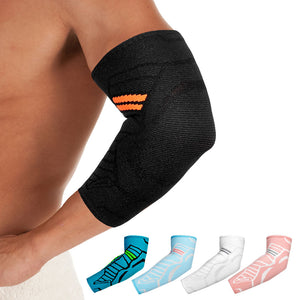
ROM Elbow Brace
- Black
- Grey
- Grey
- Black
- Blue
- Grey
- Blue
- Black
- Black
- Grey
- Blue
- Purple
- Pink
- Black
- Blue
- Pink
- White
- Yellow
- Purple
- Black
- Black
- Dusty Blue
- Blue
- Pink
- White
What is a ROM Elbow Brace Used For?
A Range of Motion (ROM) elbow brace is a specialized orthopedic support designed to stabilize the elbow joint while permitting highly controlled, strictly measured movement. Whether you are navigating the early stages of postoperative recovery or managing a chronic joint condition, understanding how this device functions is essential for a successful rehabilitation journey. The primary purpose of a ROM elbow immobilizer is to facilitate the natural healing process by preventing erratic or excessive movements that could easily lead to further injury, stiffness, or delayed recovery.
How Does a Range-of-Motion (ROM) Elbow Brace Work?
Unlike a standard compression sleeve that merely provides warmth and mild support, a ROM elbow brace is engineered with adjustable hinges and dial settings. These hinges align with the natural pivot point of your elbow. The standout feature of this device is its ability to lock the arm at a specific angle or allow movement within a very strictly defined window of degrees.
Healthcare providers can set precise limits on elbow flexion (bending) and extension (straightening). During the initial phases of recovery, the hinge might be completely locked, restricting all movement. As the healing tissue grows stronger, the dials are gradually adjusted to increase the permitted range of motion. This meticulous, step-by-step approach ensures that the joint regains its flexibility and strength without ever being pushed past its current physical limits.
Common Conditions Treated with a ROM Elbow Brace
ROM braces are incredibly versatile and are prescribed for a wide array of acute injuries, surgical recoveries, and chronic musculoskeletal conditions.
Post-Surgical Recovery and Rehabilitation
In surgical contexts—such as a distal biceps tendon repair, ulnar collateral ligament (UCL) reconstruction, or complex fracture fixation—postoperative protection is non-negotiable. Following surgery, the elbow typically needs to remain stationary, often in a straighter position, to allow the repaired tissues to bond and heal.
As physical therapy begins, the rehabilitation protocol demands gradual movement to prevent the buildup of restrictive scar tissue. This is where an elbow stabilizer brace becomes invaluable. By incrementally unlocking the hinge settings, healthcare professionals can encourage safe flexion and extension, gently coaxing the arm back to its normal functional state without risking a tear in the newly repaired tissues.
Severe Strains, Sprains, and Fractures
For non-surgical acute injuries, such as severe hyperextension, elbow dislocations, or complex ligament tears, absolute immobilization is often required initially. A ROM brace supports the injured structural components of the arm by bearing the load and stress that would normally be placed on the ligaments and tendons. As the inflammation subsides and the risk of joint instability decreases, the brace allows patients to safely transition from total rest to active movement.
Chronic Joint Conditions and Arthritis
While often associated with acute trauma, a ROM elbow brace is also highly beneficial for individuals suffering from chronic conditions like osteoarthritis or rheumatoid arthritis. Flare-ups can cause severe joint pain, swelling, and a feeling of instability. For these patients, a highly comfortable, padded elbow brace with ROM hinges can provide structural stability, significantly reduce pain during everyday activities, and help maintain an appropriate, pain-free range of motion. This allows individuals to continue engaging in their daily activities with far less discomfort and joint fatigue.
The Role of ROM Braces in Physical Therapy
Physical therapists frequently rely on ROM braces to bridge the gap between strict immobilization and total independence. Prolonged joint immobility can lead to severe stiffness and muscle atrophy. The adjustable nature of the ROM brace allows therapists to design a dynamic recovery program. Patients can perform active and passive stretching exercises safely within the parameters set on the brace's dials. This controlled environment boosts patient confidence, as they can visually and physically feel their progress as the allowed range of motion increases week by week.
Best Practices for Wearing Your Adjustable Elbow Brace
To get the most out of your rehabilitation device, it is crucial to follow a few best practices:
- Adhere to Professional Guidance: The use of a ROM elbow brace must always be directed by a qualified healthcare professional. Never adjust the hinge dials, change the extension limits, or alter the flexion settings without explicit permission from your doctor or physical therapist. Prematurely increasing your range of motion can cause catastrophic setbacks in your recovery.
- Monitor Wear Time: Your specialist will provide personalized recommendations on how many hours per day you should wear the brace and whether it should be worn while sleeping to prevent accidental hyperextension at night.
- Prioritize Skin Care: Because these braces are often worn for weeks at a time, it is important to check the skin beneath the straps and pads daily for signs of irritation. Wearing a light, breathable cotton sleeve underneath the brace can absorb sweat and prevent friction.