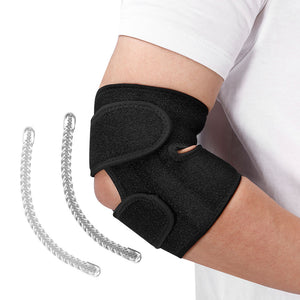
Compression for Tennis Elbow
- Black
- Grey
- Blue
- Purple
- Pink
- Black
- Dusty Blue
- Blue
- Pink
- White
- Pink
- White
- Yellow
- Purple
- Black
- Black
- Grey
- Grey
- Black
- Blue
- Grey
- Blue
- Black
- Black
- Blue
What is Best for Tennis Elbow?
Tennis elbow, clinically known as lateral epicondylitis, is a painful condition caused by the overuse of the arm, forearm, and hand muscles. Despite its name, you do not have to play tennis to suffer from it. Repetitive motions from typing, painting, weightlifting, or even daily household chores can lead to microscopic tears in the tendons that attach your forearm muscles to the outside of your elbow. If you are struggling with a weakened grip or sharp pain on the outside of your arm, finding fast and lasting relief is likely your top priority.
The Power of Compression Therapy
One of the most immediate and effective methods for managing tendon inflammation is localized support. When exploring non-invasive remedies, physical therapists and orthopedic specialists alike highly recommend using compression for tennis elbow.
Compression helps to significantly reduce localized swelling while providing essential structural support to the affected muscle group. By wearing a specialized elbow sleeve or an adjustable forearm strap, individuals can effectively stabilize the elbow joint and redirect stress away from the injured tendon. This targeted pressure not only prevents further micro-tears during daily activities but also increases vital blood flow to the area. Enhanced circulation means more oxygen and nutrients are delivered to the damaged tissues, thereby accelerating the natural healing process and reducing chronic inflammation.
When applying compression, it is essential to choose an elastic wrap or sleeve that fits comfortably. The support should feel snug and secure, but never so tight that it pinches the skin, causes numbness, or restricts healthy blood circulation.
Ice Therapy for Immediate Pain Relief
Cold therapy is a highly beneficial home treatment that pairs perfectly with compression. While compression focuses on support and circulation, cold therapy is the best immediate response for numbing sharp joint pain and restricting blood vessels to minimize acute swelling.
Applying an ice pack wrapped in a thin towel to the outer elbow for 15 to 20 minutes, three to four times a day, can dramatically manage daily discomfort. For optimal recovery, try using cold therapy immediately after strenuous tasks involving repetitive arm motion. The powerful combination of cold therapy and joint support creates an optimal environment for tissue recovery.
The Role of Rest and Active Recovery
Healing from lateral epicondylitis requires giving your overused tendons time to repair themselves. Rest is a non-negotiable pillar of recovery, but it does not necessarily mean keeping your arm entirely immobilized. Instead, the focus should be on active recovery and avoiding the specific movements that trigger flare-ups.
Keep activities that provoke sharp pain to a minimum. If heavy lifting, aggressive twisting, or prolonged typing worsens your symptoms, you must take a temporary step back.
Ergonomics and Technique Adjustments
If your condition stems from occupational hazards or athletic hobbies, modifying your environment is crucial for long-term prevention. For racquet sports enthusiasts, adjusting your grip size or switching to a lighter racquet with lower string tension can significantly reduce the shock absorbed by your forearm.
For office workers, optimizing your desk ergonomics can prevent further strain. Ensure your keyboard and mouse are positioned at a height that allows your elbows to rest comfortably at a 90-degree angle. Using an ergonomic mouse or a split keyboard can also relieve tension in the forearm extensors, helping protect the joint from future episodes of pain.
Physical Therapy: Stretching and Strengthening
Once the initial inflammation and severe pain have subsided during your rest period, rebuilding the strength and flexibility of your forearm is the next vital step. Gentle, guided stretching and strengthening exercises should be introduced to restore full elbow mobility.
Simple exercises, such as wrist flexor stretches, wrist extensions, and towel twists, can help condition the muscles and tendons to handle daily loads without re-injury. Consulting a licensed physical therapist for a personalized rehabilitation program is deeply beneficial. A professional can assess your specific biomechanics, correct muscle imbalances, and guide you through progressive resistance training to ensure your elbow heals correctly.
Advanced Treatments: Medications and Interventions
While natural remedies and physical therapy are the first lines of defense, severe inflammation sometimes requires pharmaceutical support. Over-the-counter oral anti-inflammatory medications can be utilized to manage persistent pain and stiffness. However, these should always be taken exactly as directed by a healthcare professional and viewed as a temporary relief measure rather than a permanent cure.
In more difficult, chronic situations where conservative treatments fail to provide relief after several months, a doctor may recommend advanced medical interventions. Corticosteroid injections, platelet-rich plasma (PRP) therapy, or minimally invasive procedures might be necessary to break down scar tissue and force the tendon to heal.
Building Your Ultimate Recovery Strategy
The most effective management plan for lateral epicondylitis does not rely on a single miracle cure; it requires a combination of complementary strategies. Utilizing a dedicated compression tennis elbow routine, committing to regular ice therapy, prioritizing restorative rest, and seeking professional guidance for targeted exercises will lead to the fastest and most effective recovery. By adopting these comprehensive preventative measures and treatments, you can eliminate joint discomfort and confidently return to your active lifestyle.