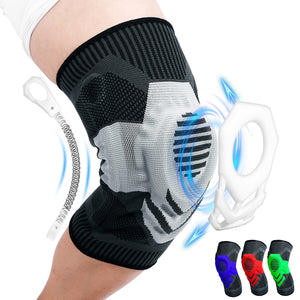
Best Tennis Elbow Brace
- Black
- Grey
- Blue
- Purple
- Pink
- Black
- Dusty Blue
- Blue
- Pink
- White
- Pink
- White
- Yellow
- Purple
- Black
- Black
- Grey
- Grey
- Black
- Blue
- Grey
- Blue
- Black
- Black
- Blue
Is it Worth Wearing a Tennis Elbow Brace?
Tennis elbow, clinically referred to as lateral epicondylitis, is a pervasive and frustrating ailment that affects many people around the world. Despite its name, you do not have to be an avid tennis player or an athlete to develop this condition. It is fundamentally an overuse injury that leads to painful micro-tears and inflammation in the tendons attaching your forearm muscles to the bony outer bump of your elbow.
Whether you spend hours typing at a desk, work in carpentry, lift weights, or enjoy weekend gardening, the repetitive gripping and wrist extensions required by these activities can trigger intense forearm pain. While a foundation of rest and targeted physical therapy is absolutely critical for long-term recovery, many individuals dealing with lateral epicondylitis turn to a tennis elbow brace for supplemental support and daily relief. But the ultimate question remains: is investing in an elbow strap or sleeve truly worth it?
The Core Benefits of Using an Elbow Support
Wearing a specialized brace can provide a multitude of immediate and long-term benefits for anyone with elbow tendonitis or general forearm discomfort.
Significant Pain Reduction and Strain Relief
One of the primary reasons individuals choose to incorporate a brace into their daily routine is for the immediate reduction in pain. Counterforce braces and compression sleeves work by applying targeted pressure directly to the upper forearm, just below the elbow joint. This strategic compression effectively anchors the extensor muscle, alleviating the direct mechanical strain on the inflamed tendon attachment site. As a result, users often experience a significant decrease in sharp pain and dull aches during everyday activities, from lifting a cup of coffee to turning a doorknob.
Joint Stabilization and Injury Prevention
When tendons are compromised, the surrounding muscles often fatigue more quickly, leaving the joint vulnerable. By stabilizing the elbow and forearm muscles, a brace helps prevent accidental overextension and further micro-trauma. This added layer of joint security allows individuals to safely continue performing their essential daily tasks, occupational duties, and even modified sports activities with a much lower risk of exacerbating the injury.
Encouraging Proper Biomechanics
A thoughtfully designed support band does more than just squeeze the arm; it actively promotes proper biomechanics. By redistributing the kinetic forces away from the injured and inflamed area, the brace subtly encourages safer, more efficient movement patterns. This correction is vital for long-term recovery, as it reduces the likelihood that users will revert to poor ergonomic habits and repetitive-strain motions that originally triggered their condition.
Finding the Right Support for Your Lifestyle
When navigating the market for the best tennis elbow brace for your specific lifestyle, knowing which features to prioritize is essential to maximizing comfort and effectiveness.
First and foremost, look for adjustable hook-and-loop straps that allow you to customize the level of compression. A one-size-fits-all approach rarely works for repetitive strain injuries, as your forearm may swell or require different levels of pressure depending on your activity level. Breathable, moisture-wicking materials are also a must, especially if you plan to wear the support throughout a long workday, during a gym session, or under clothing.
Additionally, top-tier designs often incorporate targeted compression elements, such as built-in EVA foam pads or raised silicone cushions. When positioned directly over the extensor muscle belly, these pads provide a concentrated, massage-like pressure that isolates the tendon far better than a flat fabric strap, dramatically enhancing both comfort and therapeutic effectiveness.
Part of a Comprehensive Recovery Plan
While countless patients report highly positive experiences and rapid relief from using elbow straps, it is crucial to understand that they are not a standalone cure. For the best possible outcome, wearing support gear should be seamlessly integrated into a comprehensive, multi-faceted rehabilitation plan.
To truly heal lateral epicondylitis, you must combine your brace use with adequate rest and activity modification. Utilizing cryotherapy (ice packs) for 15 to 20 minutes after strenuous activities can help manage acute inflammation. Most importantly, braces work best when used in tandem with a dedicated stretching and eccentric strengthening routine designed to rebuild the resilience of the forearm extensor muscles. Improving your workstation ergonomics and taking frequent breaks to stretch can also prevent future flare-ups.