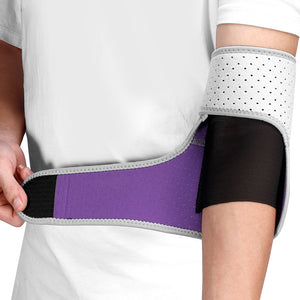
Elbow Brace for Tendonitis
- Black
- Grey
- Blue
- Purple
- Pink
- Black
- Dusty Blue
- Blue
- Pink
- White
- Pink
- White
- Yellow
- Purple
- Black
- Black
- Grey
- Grey
- Black
- Blue
- Grey
- Blue
- Black
- Black
- Blue
How Can I Get Rid of Tendonitis in My Elbow?
Elbow tendonitis is a highly common, often painful condition that strikes millions of people each year. Usually referred to by its colloquial names—"tennis elbow" (lateral epicondylitis) or "golfer's elbow" (medial epicondylitis)—this repetitive strain injury results from micro-tears and inflammation in the tendons surrounding the elbow joint.
While athletes who engage in repetitive arm and wrist motions, such as basketball, tennis, and golf players, frequently suffer from this ailment, it is just as prevalent among office workers, carpenters, and painters. Whether you are experiencing a dull ache at work or sharp pain on the basketball court, addressing the issue early is crucial for preventing chronic joint degeneration.
Recognizing the Early Signs of Elbow Tendonitis
Before diving into treatments, it helps to understand what you are dealing with. Identifying the symptoms early allows for quicker intervention. Common warning signs include:
- A persistent, dull ache on the outside (tennis elbow) or inside (golfer's elbow) of the joint.
- Sharp pain that shoots down your forearm when lifting, gripping, or twisting objects.
- Noticeable stiffness in the morning or after periods of inactivity.
- Weakened grip strength, making simple tasks like turning a doorknob or holding a coffee cup difficult.
5 Proven Strategies to Treat Elbow Tendonitis
Overcoming tendon inflammation requires a multi-layered approach. By combining rest with proactive rehabilitation, you can get back to your active lifestyle safely.
1. Rest and Modify Your Daily Activities
The absolute first step in treating any repetitive strain injury is to stop the motion that caused it. Continuing to push through the pain will only exacerbate the micro-tears in your tendons.
Give your arm adequate time to rest. You do not necessarily have to become entirely sedentary, but you must modify or temporarily pause the specific activities triggering the pain. For a basketball player, this might mean taking a break from shooting drills and focusing on footwork. For office workers, it could involve adjusting your workstation ergonomics to reduce wrist extension while typing. Resting gives the inflamed connective tissues the critical downtime they need to repair themselves naturally.
2. Implement Ice Therapy
When acute pain flares up, cold therapy is your best immediate line of defense. Applying ice constricts local blood vessels, which significantly reduces swelling, numbs the affected area, and provides fast pain relief.
Aim to apply a cold pack to your elbow for 15 to 20 minutes at a time, repeating the process three to four times a day. This is especially important immediately after any physical activity that stresses your forearm. Always wrap your ice pack in a thin towel or cloth to prevent ice burns and protect your skin.
3. Embrace Targeted Stretching and Strengthening Exercises
Once the initial, severe inflammation has subsided, you must rebuild the resilience of your arm. Gentle stretching and eccentric strengthening exercises are scientifically proven to restore flexibility and fortify the forearm muscles.
Consulting with a physical therapist can provide you with a customized rehabilitation program tailored to your specific pain points. Common movements include wrist flexor and extensor stretches and towel twists. By gradually integrating these exercises into your daily routine, you stimulate blood flow to the tendons, encouraging faster healing and heavily reducing the risk of future injuries.
4. Wear Supportive Compression Gear
During the healing process, your tendons remain vulnerable to re-injury, even during minor daily tasks. This is where external physical support becomes incredibly valuable.
Wearing an elbow brace for tendonitis can provide immediate, targeted support throughout your recovery journey. These specialized bands and sleeves are designed to apply gentle compression directly below the elbow joint. By doing so, they absorb the forces transmitted through the arm and redirect pressure away from the inflamed tendon origin. This stabilizes the joint and drastically reduces discomfort, allowing you to comfortably participate in sports, lifting, or typing without setting back your recovery. Look for a lightweight, breathable option that offers firm support without cutting off circulation or severely restricting your natural range of motion.
5. Utilize Over-the-Counter Pain Relief
If elbow tendonitis pain is keeping you awake at night or preventing you from doing your rehabilitation exercises, over-the-counter (OTC) medications can be a helpful temporary bridge. Nonsteroidal anti-inflammatory drugs (NSAIDs) such as ibuprofen or naproxen sodium work quickly to diminish both pain and internal swelling.
While these medications are excellent for symptom management, they should be used in conjunction with rest and physical therapy, rather than as a permanent solution to mask the pain.
How Long Does It Take to Recover?
Patience is key when dealing with tendonitis. Because tendons have a lower blood supply than muscles, they take longer to heal. Mild cases might resolve in just a few weeks of dedicated rest and icing, while more severe or chronic cases can take several months. Consistency in your rehabilitation routine, alongside wearing proper joint support, will give you the best chance for a speedy recovery.