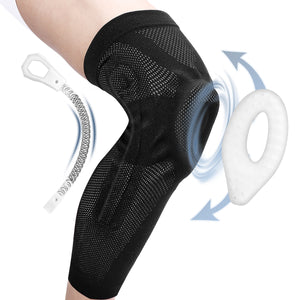
Best Elbow Brace for Weightlifting
- Black
- Grey
- Blue
- Purple
- Pink
- Black
- Dusty Blue
- Blue
- Pink
- White
- Pink
- White
- Yellow
- Purple
- Black
- Black
- Grey
- Grey
- Black
- Blue
- Grey
- Blue
- Black
- Black
- Blue
How to Protect Your Elbows When Lifting Weights?
Lifting weights is an incredible way to build muscle, burn fat, and increase your overall physical resilience. However, the intense demands of strength training can take a serious toll on your connective tissues. If you have ever felt a sharp twinge or a dull, lingering ache in your arm during a heavy bench press or bicep curl, you are not alone. Joint pain is a frequent hurdle for gym-goers.
Because your elbow acts as a critical hinge and stabilizing point for nearly all upper-body movements, protecting it is vital for your long-term fitness journey. Without proper care, you risk developing debilitating overuse injuries like tennis elbow (lateral epicondylitis) or golfer’s elbow (medial epicondylitis). To keep hitting your personal bests without being sidelined by strain, you need a proactive approach. Here are the most effective, expert-backed strategies to safeguard your elbows during your workout.
Top Strategies to Safeguard Your Elbow Joints
Prioritize a Dynamic Warm-Up and Targeted Stretching
Jumping straight into heavy sets is a fast track to joint pain. Before you even touch a barbell or dumbbell, it is essential to execute a thorough dynamic warm-up. Focus on increasing blood flow to the muscles surrounding your elbows, shoulders, and forearms. Incorporate arm circles, wrist rotations, and gentle mobility stretches. By improving joint flexibility and warming the synovial fluid, you significantly reduce the risk of sudden muscle tightness, ligament strain, and micro-tears.
Master the Perfect Lifting Form
Using the correct lifting technique is the absolute bedrock of preventing unnecessary stress on your elbows. When executing exercises like a bench press, overhead press, or even heavy back squats, pay close attention to your arm alignment. Keep your elbows tucked at an appropriate, natural angle relative to your torso. Avoid flaring them out excessively, and never aggressively lock out the joint at the top of a pushing movement. Unnatural angles and sudden locking multiply the shear force applied to the joint capsule, leading to rapid wear and tear.
Employ the Principle of Progressive Overload Safely
Ego lifting is the enemy of joint longevity. Do not rush to stack heavy plates on the bar before your body is ready. Instead, progressively increase the weight and training volume over time. Giving your ligaments, tendons, and muscles adequate time to adapt to heavier loads prevents acute overloading. A slow, steady progression ensures your structural integrity keeps pace with your muscular strength.
Fortify Surrounding Muscles
Your joints are only as stable as the musculature supporting them. By strengthening the primary movers in your upper arms—specifically the biceps, triceps, and forearm flexors—you create a natural shock-absorption system for your elbows. Incorporate controlled, targeted movements for these muscle groups into your weekly routine. Well-developed arms will actively share the mechanical load, alleviating direct, punishing pressure on the delicate joint during heavy compound lifts.
Maximize Stability with the Right Gear
Sometimes, your body needs a little external reinforcement, especially when you are pushing closer to your maximum limits or recovering from minor tweaks. Wearing a high-quality elbow brace can be a massive game-changer for your gym routine. A supportive sleeve or brace provides therapeutic compression, increases local blood flow, and offers proprioceptive feedback that naturally encourages better form.
For serious lifters pushing heavy iron, investing in the best elbow brace for weightlifting ensures you receive heavy-duty support tailored specifically for the rigors of strength training. This type of specialized gear actively stabilizes the hinge joint, restricts dangerous hyperextension, and mitigates the immense tension placed on your tendons during intense sessions. When selecting your supportive gear, look for premium features like advanced breathability, ergonomic comfort, and a secure, non-slip fit. It should wrap snugly around the arm to provide optimal protection and performance without cutting off your circulation.
Post-Workout Recovery: Healing and Inflammation Control
Your muscles and joints repair and grow stronger outside the gym, making your recovery protocol just as important as the training itself. Ensure you are giving your upper body adequate rest days between intense pressing and pulling sessions to prevent cumulative overuse injuries.
If you experience post-workout soreness or heat in the joint, applying ice therapy for 15 to 20 minutes can effectively reduce acute inflammation. Furthermore, incorporate active recovery techniques like deep tissue massage or foam rolling on your triceps and forearms. Releasing tight fascia and muscle tension prevents the surrounding muscles from constantly pulling on the elbow tendons.
By integrating these comprehensive strategies—smart warm-ups, flawless technique, progressive loading, muscular strengthening, and dedicated recovery—you can significantly reduce the risk of elbow injuries. Equip yourself with the right knowledge and supportive gear, and keep your focus firmly on achieving your fitness goals safely and consistently.