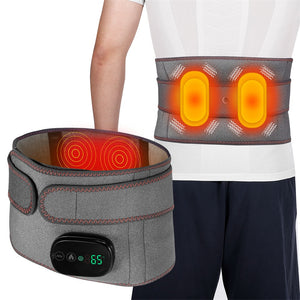
Tennis Elbow Belt
- Black
- Grey
- Blue
- Purple
- Pink
- Black
- Dusty Blue
- Blue
- Pink
- White
- Pink
- White
- Yellow
- Purple
- Black
- Black
- Grey
- Grey
- Black
- Blue
- Grey
- Blue
- Black
- Black
- Blue
Does Squeezing a Ball Help Tennis Elbow?
If you are dealing with a sharp, burning pain on the outside of your elbow, you are likely experiencing lateral epicondylitis, commonly known as tennis elbow. Despite its name, you do not need to be a tennis player to develop this condition. It frequently affects weightlifters, office workers, mechanics, carpenters, and anyone who performs repetitive arm, wrist, and hand movements. As the discomfort begins to impact daily activities, many people search for effective home remedies for forearm strain and joint relief.
One of the most frequently asked questions during the recovery process is: Does squeezing a ball help with tennis elbow? The short answer is yes. Using a simple stress ball or rubber hand-exercise ball can be an incredibly effective strategy for alleviating discomfort and facilitating long-term recovery.
Why Squeezing a Ball is Effective for Lateral Epicondylitis
The primary goal of squeezing a ball is to safely strengthen the muscles and tendons surrounding the elbow joint. Tennis elbow occurs when the forearm muscles—specifically the extensor carpi radialis brevis—become fatigued, micro-torn, or inflamed from repetitive stress.
When you squeeze a soft rubber ball, you engage these essential forearm muscles through isometric contractions. This means the muscle is engaged and working under tension, but the joint itself is not moving significantly. This type of grip-strengthening exercise enhances the resilience of your tendons against future strain without overloading the already irritated tissues. Over time, regular grip strength exercises improve blood flow to the outer elbow, which aids in cellular repair, reduces chronic pain, and restores your arm's overall function and mobility.
How to Perform the Ball Squeeze Exercise Correctly
To get the maximum benefit from this therapy without worsening your symptoms, it is important to perform the exercise with proper form and pacing.
The Basic Squeeze Technique
- Hold a soft resistance ball or stress ball in the palm of your affected hand.
- Sit or stand with a tall posture, keeping your elbow bent at a comfortable 90-degree angle close to your side.
- Slowly squeeze the ball as hard as you can without causing sharp pain.
- Hold the contraction for five to ten seconds.
- Release the grip slowly and in a controlled manner.
- Repeat this process for 10 to 15 repetitions, working your way up to two or three sets a day.
Tip for progression: As your forearm muscles become stronger and your elbow pain decreases, you can perform the exact same exercise with your arm fully extended in front of you. This changes the angle of tension and helps condition the tendon for everyday reaching and lifting tasks.
Essential Complementary Treatments
While targeted grip exercises are fantastic for building muscle resilience, combining them with protective measures yields the fastest recovery. Rehabilitating an inflamed tendon requires a balanced approach of strengthening and strategic offloading.
Utilizing a Support Strap
In conjunction with your daily squeezing exercises, wearing a tennis elbow belt can provide significant additional support. This specialized strap is designed to wrap snugly around the upper forearm, sitting just below the elbow crease. By applying targeted compression, a tennis elbow belt redistributes mechanical forces away from the injured epicondyle tendon. This not only offers a crucial layer of protection during your daily tasks and lifting activities but also promotes an optimal healing environment. Combining your stress ball routine with this supportive gear can dramatically accelerate your recovery process and reduce the frequency of pain flare-ups.
Stretching the Forearm Extensors
Grip strengthening should always be paired with flexibility work to prevent stiffness. Hold your affected arm straight out in front of you, palm facing down. Gently use your opposite hand to press the back of your hand downward, flexing your wrist so your fingers point toward the floor. You will feel a deep, relieving stretch along the top of your forearm. Hold this position for thirty seconds to relieve built-up tension in the extensor muscles.
Rest and Activity Modification
Healing a repetitive strain injury requires addressing the root cause. If your pain stems from hours of typing, assess your desk ergonomics and keyboard placement. If it comes from a specific golf swing, heavy lifting routine, or tennis backhand, focus on correcting your form. Modifying the activities that trigger your lateral epicondylitis is crucial so that your newly built muscle strength can effectively protect the joint.
Building a Resilient Forearm
Recovering from outer elbow pain does not happen overnight. Tendons naturally have a reduced blood supply compared to muscles, so their healing timeline requires patience. With patience, a consistent ball-squeezing routine, proper stretching, and the right approach to offloading pressure, you can effectively manage and overcome tennis elbow. By taking proactive steps to care for your arm today, you will restore your grip strength and return to your favorite activities pain-free.