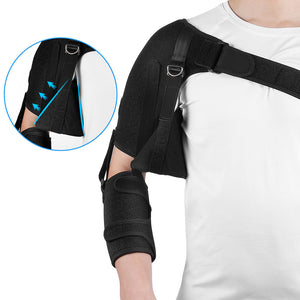
Orthopedic Elbow Brace
- Black
- Grey
- Blue
- Purple
- Pink
- Black
- Dusty Blue
- Blue
- Pink
- White
- Pink
- White
- Yellow
- Purple
- Black
- Black
- Grey
- Grey
- Black
- Blue
- Grey
- Blue
- Black
- Black
- Blue
Do Elbow Braces Help with Joint Pain?
Elbow pain can be a deeply frustrating and debilitating experience, interfering with everything from athletic pursuits like golf and tennis to simple daily tasks like lifting a grocery bag or typing at a desk. Often stemming from various underlying issues such as tendonitis, arthritis, bursitis, or overuse injuries, this type of joint discomfort requires effective management to prevent chronic issues. One of the most common and accessible solutions people turn to is joint-support wear. But how effective are these tools in truly alleviating joint pain?
Understanding the Root Causes of Elbow Discomfort
To appreciate how joint supports work, it is essential to understand what causes the pain in the first place. The elbow is a complex hinge joint where three bones meet, supported by a network of cartilage, ligaments, and tendons. When these tissues become inflamed or degraded, pain follows.
Common culprits include:
- Lateral Epicondylitis (Tennis Elbow): Inflammation of the tendons on the outside of the elbow, usually caused by repetitive wrist extension.
- Medial Epicondylitis (Golfer's Elbow): Inflammation on the inner side of the arm, often resulting from repetitive gripping or wrist flexion.
- Osteoarthritis: The gradual wear and tear of joint cartilage over time.
- Repetitive Strain Injuries (RSI): Caused by repetitive motions from manual labor, weightlifting, or extensive computer work.
The Mechanics of Effective Joint Support
So, how do supportive garments actually mitigate this pain? When you wear an orthopedic elbow brace, you are utilizing a specially designed tool engineered to provide dynamic support and stabilization to a vulnerable joint.
Their primary functions revolve around biomechanical offloading and tissue stabilization. By wrapping tightly around the forearm and elbow joint, these supports reduce the mechanical stress placed on surrounding muscles and tendons. They mildly limit the excessive range of motion that often leads to hyperextension or micro-tears, effectively acting as a safeguard against further injury.
The Power of Compression and Thermal Therapy
Beyond mechanical stabilization, one of the most powerful benefits of wearing a joint support is the targeted compression it delivers. Compression helps to stimulate local blood flow. Because tendons generally have a poor blood supply compared to muscles, improving circulation to the affected area is crucial for delivering oxygen and essential nutrients needed for cellular repair.
Furthermore, the materials used in these supports trap body heat. This localized warmth soothes stiff, aching joints, makes connective tissues more pliable, and provides immediate, non-invasive relief from chronic stiffness associated with arthritis and morning joint pain.
Specific Conditions That Benefit from Elbow Bracing
Research and extensive user experience indicate that joint supports are highly beneficial for individuals suffering from specific inflammatory conditions.
Alleviating Tennis Elbow and Golfer’s Elbow
For conditions like lateral and medial epicondylitis, targeted pressure is key. By compressing the upper forearm muscles, a brace alters the angle at which the tendon pulls on the elbow bone. This action effectively absorbs the shock and vibration generated by hand and wrist movements, relieving tension on the elbow joint. This compression helps minimize the strain on inflamed tendons, allowing individuals to engage in their desired activities—whether that's swinging a racket or using a hammer—with significantly less discomfort.
Managing Arthritis and Daily Wear-and-Tear
For those dealing with joint degeneration, a full compression sleeve can provide 360-degree support. The gentle, continuous pressure helps to reduce joint swelling and fluid buildup, making daily movements feel smoother and less restricted.
The Psychological Edge: Confidence in Movement
Physical healing is only one part of the recovery equation; the mental aspect is equally important. An often-overlooked advantage of joint supports is the psychological benefit they provide.
Many users report an immediate increase in their sense of security and confidence while wearing a brace. Proprioception—the body’s ability to sense its location, movements, and actions—is enhanced when a compressive garment is worn. You become more consciously aware of your arm's position, which naturally helps you avoid awkward angles or dangerous movements.
Knowing that their elbow is supported and protected gives individuals tremendous mental assurance. This psychological safety net reduces the fear of aggravating existing injuries, a fear that often deters individuals from participating in physical activities, hobbies, and exercise routines vital to their overall health and well-being.
Integrating Support into Your Recovery Routine
If you are dealing with persistent elbow aches, integrating a stabilizing support into your daily routine can be a game-changer. Whether you need targeted pressure for a sports injury or generalized warmth and compression for arthritic joint pain, these tools offer a practical, drug-free way to manage discomfort. By reducing muscular strain, enhancing local circulation, and providing the mental confidence needed to stay active, elbow supports serve as a highly effective component of a comprehensive joint care and pain management strategy.