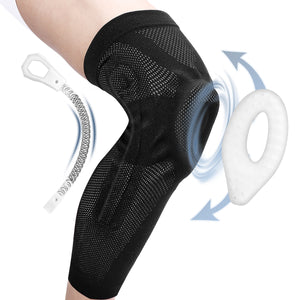
Elbow Extension Brace
- Black
- Grey
- Blue
- Purple
- Pink
- Black
- Dusty Blue
- Blue
- Pink
- White
- Pink
- White
- Yellow
- Purple
- Black
- Black
- Grey
- Grey
- Black
- Blue
- Grey
- Blue
- Black
- Black
- Blue
How Can I Improve My Elbow Extension?
Achieving full elbow extension—the simple act of straightening the arm—is essential for everyday functional movements like reaching for an object on a high shelf, pushing open a heavy door, or lifting groceries. When a limited range of motion hinders this joint action, everyday tasks can become challenging. Restoring optimal mobility requires a structured approach that combines targeted movement with appropriate joint support.
One practical method to help restore this mobility is to integrate a dedicated elbow extension brace into a daily routine. This type of support helps stabilize the joint, minimizing the risk of unnatural twisting or sudden strain while the tissue is vulnerable. Holding the arm in a progressive, aligned position helps create an optimal environment for tissue adaptation and gradual recovery of extension.
Selecting the Right Joint Support
The effectiveness of a supportive device relies heavily on its design and how well it conforms to the body. For individuals who require tailored support at different stages of their recovery, an adjustable elbow brace offers the flexibility to adjust compression levels and structural rigidity. As flexibility improves, the tension can be adjusted to match the joint's changing needs, ensuring the arm is neither overly restricted nor left unsupported.
Comfort is another critical factor during this process, especially when a device must be worn for extended periods. Using a padded elbow brace can significantly reduce localized pressure on the joint's sensitive bony prominences. The specialized cushioning helps distribute forces evenly across the forearm and upper arm, preventing skin irritation and ensuring that the user can maintain consistent wear throughout the day.
Implementing Movement Strategies
While external support provides stability, active movement strategies are necessary to lengthen tight structures and rebuild the surrounding musculature. Incorporating gentle, progressive stretching exercises helps mitigate stiffness in the soft tissues.
Overhead Triceps Stretch: Elevating the arm and bending the elbow to reach toward the upper back can help release tension in the posterior arm muscles. Holding a mild stretch for 15 to 30 seconds allows the muscle fibers to relax and elongate gradually.
Forearm Flexor Release: Extend the arm forward with the palm facing up, then gently pull the fingers downward to help alleviate tightness along the front of the arm, which often contributes to extension resistance.
In addition to stretching, building strength in the opposing muscle groups is necessary to maintain a full range of motion. Resistance bands offer a controlled way to engage the triceps, which are the primary muscles responsible for straightening the arm. Securing a band and performing controlled extension movements helps retrain the nervous system and strengthen the muscular support needed to keep the arm straight.
Managing the Recovery Process
Progression should be gradual and based on individual comfort levels. Forcing the joint into a straight position or moving through sharp discomfort can cause minor tears in the tissue, leading to further inflammation and increased stiffness. Modifying the intensity and duration of both exercises and brace wear helps ensure steady progress without setbacks. Tracking minor improvements in flexibility can help sustain motivation during what is often a gradual physical adaptation.
Combining structural stabilization through targeted bracing with consistent, low-impact movement forms a balanced strategy for joint rehabilitation. By addressing both structural alignment and muscular strength, individuals can systematically work toward regaining functional mobility and improving daily arm mechanics.