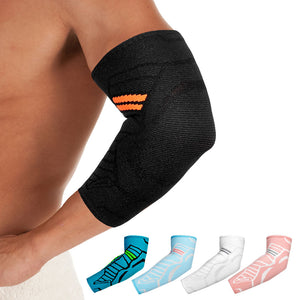
Carpal Tunnel Elbow Brace
- Black
- Grey
- Blue
- Purple
- Pink
- Black
- Dusty Blue
- Blue
- Pink
- White
- Pink
- White
- Yellow
- Purple
- Black
- Black
- Grey
- Grey
- Black
- Blue
- Grey
- Blue
- Black
- Black
- Blue
How to Treat Carpal Tunnel in the Elbow?
Carpal tunnel syndrome (CTS) is traditionally known for causing pain, numbness, and tingling in the wrist and hands. However, many people are surprised to learn that this discomfort can radiate up the arm, causing significant issues and pain in the elbow. The median nerve, which passes through the narrow carpal tunnel in your wrist, actually originates in the upper arm and crosses the elbow joint. When compression, inflammation, or irritation occurs anywhere along this nerve pathway, symptoms can flare up in multiple areas simultaneously.
Understanding the Wrist-Elbow Connection in Nerve Compression
Before diving into treatments, it helps to understand why your elbow hurts when the carpal tunnel is located in the wrist. The human nervous system is highly interconnected. When the median nerve is pinched at the wrist, the radiating pain can travel up the forearm and settle in the elbow. Alternatively, repetitive strain injuries can cause the muscles around the elbow to swell, putting secondary pressure on the nerves that travel down into the hand. Addressing the entire arm—rather than just the wrist—is the key to finding total relief.
7 Highly Effective Strategies for Relief
1. Prioritize Rest and Activity Modification
One of the first and most vital steps in treating carpal tunnel symptoms related to elbow issues is to rest the affected arm. Nerve irritation thrives on continuous stress. You must consciously reduce daily activities that involve repetitive wrist and elbow motions—such as prolonged typing, heavy lifting, or repetitive gripping—as these can rapidly exacerbate symptoms.
Taking frequent breaks and modifying your tasks can significantly reduce the mechanical strain placed on your elbow and wrist joints. Consider adopting a pacing strategy: work for twenty minutes, then rest your arms for five minutes to prevent muscle fatigue and nerve friction.
2. Apply Ice Therapy for Inflammation
Targeted cold therapy is an excellent home remedy for reducing the swelling that compresses the median nerve. Applying ice directly to the elbow can help numb the sharp, radiating pain and significantly lower localized inflammation.
Aim to apply an ice pack wrapped in a thin towel to your elbow for 15 to 20 minutes several times a day. This is particularly beneficial after finishing a long workday, completing household chores, or engaging in activities that may trigger discomfort.
3. Engage in Targeted Physical Therapy
Engaging in physical therapy is highly beneficial for strengthening the supporting muscles around the elbow, wrist, and hand. Weak muscles force the joints and tendons to overcompensate, leading to further nerve compression
A licensed physical therapist can design a personalized rehabilitation program for you. This will typically include nerve gliding exercises (which help the median nerve slide smoothly through its surrounding tissues) and stretching routines to improve flexibility. By reducing tension in the dense forearm muscles, you can effectively relieve the pressure pulling on the median nerve.
4. Wear Appropriate Joint Support
Keeping the arm in a neutral position—especially while you sleep or perform repetitive tasks—is one of the fastest ways to alleviate nerve pain. Using a carpal tunnel elbow brace can be an incredibly effective way to manage your symptoms both day and night. This type of brace is specifically designed to immobilize the elbow, maintain proper positioning of the forearm and wrist, and ultimately reduce stress on the median nerve.
By wearing this support, you prevent the excessive bending, folding, or twisting of the arm that can further aggravate carpal tunnel symptoms while you sleep. Additionally, wearing a standard elbow brace during daytime activities can provide targeted compression, helping keep the forearm muscles warm and supported. When selecting your support garment, ensure it fits snugly but comfortably. It should allow for adequate blood circulation while providing the necessary structural support.
5. Utilize Over-the-Counter Medication
When physical modifications aren't enough to curb the pain, over-the-counter anti-inflammatory medications can help manage the intense swelling associated with carpal tunnel symptoms in the elbow. Nonsteroidal anti-inflammatory drugs (NSAIDs), such as ibuprofen or naproxen, can provide excellent temporary relief to help you get through your day or sleep comfortably at night.
However, it is essential to remember that medication only masks the symptoms and reduces temporary swelling; it does not cure the root cause of nerve compression. Always consult a primary care healthcare provider for guidance regarding long-term use.
6. Make Workplace Ergonomic Adjustments
For many peoples, nerve compression in the arm is a direct result of poor posture and unoptimized workspaces. Adjusting your workplace ergonomics can dramatically affect the treatment and prevention of carpal tunnel symptoms.
This includes optimizing the height of your desk and office chair, as well as repositioning your computer monitor to reduce physical strain on your elbows and wrists. Ensure that your arms are well supported on the armrests while typing or using a mouse. Ideally, your elbows should rest comfortably at a 90-degree angle, and your wrists should hover in a straight, neutral position rather than bending upward.
7. Consult a Specialist for Surgical Options
In severe cases that do not respond to months of conservative home treatment—or if you are experiencing severe muscle atrophy and loss of grip strength—surgical options may need to be explored.
Surgical intervention typically involves releasing the tight ligaments that press on the median nerve, thereby relieving pressure once and for all. Because all surgeries carry some level of risk, this decision should only be made after a thorough consultation and nerve conduction study with an orthopedic healthcare professional.