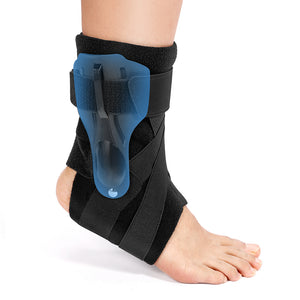
Sports Elbow Brace
- Black
- Grey
- Blue
- Purple
- Pink
- Black
- Dusty Blue
- Blue
- Pink
- White
- Grey
- Black
- Blue
- Pink
- White
- Yellow
- Purple
- Black
- Black
- Grey
- Grey
- Blue
- Black
- Black
- Blue
Is There a Brace to Help with Golfers' Elbows?
If you love hitting the links but find yourself sidelined by a sharp ache on the inner side of your elbow, you are likely dealing with medial epicondylitis—commonly known as golfer's elbow. This repetitive strain injury can make everything from swinging a club to lifting a grocery bag feel agonizing. To alleviate discomfort from golfer's elbow and support recovery, sports elbow braces have become a widely favored solution among golfers and other athletes.
These supportive garments are specifically designed to provide targeted compression and stability to the affected joint, significantly reducing the daily strain placed on your muscles and tendons. By absorbing the shock that would otherwise travel up your arm, the right brace functions as a protective barrier for your inflamed tissues.
1. Immediate and Targeted Pain Relief
The primary function of a tennis elbow arm support is to provide immediate pain relief by reducing the pressure on the affected tendons. Although the name implies a different sport, this type of strap is highly effective for golfer's elbow as well. The compression pad applies focused pressure just below the joint, which helps alleviate sharp pain during physical activities. This targeted approach allows athletes to engage in their sport with less discomfort, making the rehabilitation process much more manageable and significantly less painful.
2. Unmatched Structural Support
A well-fitted sports elbow brace helps maintain the arm in an optimal position, preventing excessive movement that can easily worsen the condition. When you are swinging a club or lifting weights, keeping the forearm muscles stable is crucial. This specialized support allows for better control during athletic swings and can enhance your overall performance by providing a reassuring sense of stability when you need it most.
3. Reduced Muscle and Tendon Strain
Every time you grip an object, force travels through your forearm tendons. Using a push-sports elbow brace can help distribute these forces evenly across the arm during intense physical activity. By minimizing the concentrated strain on the affected medial tendons, the brace allows for safer practice sessions. This redistribution of force plays a significant role in reducing the risk of further injury, helping you avoid taking steps backward in your recovery journey.
4. Encouragement of Faster Healing
Healing inflamed tendons requires a careful balance of rest and proper blood circulation. By controlling micro-movements and applying gentle, continuous compression, a sports elbow brace can contribute to the faster healing of the inflamed tissues. Improved warmth and circulation help flush out cellular waste and bring oxygen-rich blood to the injury site. This is crucial for active individuals who wish to return to their sport quickly while minimizing the risk of a recurring injury.
5. Incredible Versatility for Everyday Activities
Sports elbow braces are suitable for a wide variety of activities well beyond the golf course. They can be incredibly beneficial for those who play tennis, baseball, or basketball, lift weights, or row. Furthermore, they are excellent for daily repetitive motion tasks that put stress on the inner arm, such as typing at a desk, carpentry, house painting, or heavy gardening.
Tips for Wearing Your Brace Correctly
To get the most out of your recovery gear, proper placement is key. The compression pad should rest about one to two inches below the area where you feel the most pain, never directly on top of the sore bone. Secure the strap so it is snug enough to stay in position during movement, but not so tight that it restricts circulation or causes tingling in your fingers. Combining this support with targeted stretching routines will yield the best long-term results.
Final Thoughts on Arm Recovery
Overcoming medial epicondylitis requires a proactive approach. Resting the arm, stretching the forearm muscles, and utilizing proper compression can make all the difference in your rehabilitation timeline. If you are dealing with golfer's elbow, securing dependable elbow joint support can be a highly effective tool in your recovery arsenal. It not only provides rapid pain relief but also provides the much-needed reinforcement your arm needs, allowing you to continue enjoying your favorite sports safely and confidently.