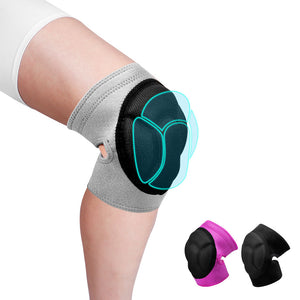
Counter Force Elbow Brace
- Black
- Grey
- Blue
- Purple
- Pink
- Black
- Dusty Blue
- Blue
- Pink
- White
- Pink
- White
- Yellow
- Purple
- Black
- Black
- Grey
- Grey
- Black
- Blue
- Grey
- Blue
- Black
- Black
- Blue
What is Counterforce Orthosis in the Management of Lateral Epicondylitis?
Lateral epicondylitis, commonly known as "tennis elbow," is a debilitating musculoskeletal condition characterized by persistent pain, stiffness, and localized tenderness on the outer aspect of the elbow. This issue generally develops from repetitive overuse of the forearm muscles, leading to chronic inflammation and microscopic tears in the extensor tendons that attach to the lateral epicondyle of the humerus. For individuals seeking non-invasive relief of tennis elbow pain, a highly effective method is to use a counterforce orthosis. Specifically, utilizing a counter force elbow brace can dramatically alter the recovery trajectory by providing targeted support right where the body needs it most.
Understanding Lateral Epicondylitis: Causes and Symptoms
To fully grasp how an orthotic band aids in recovery, it is vital to understand the root causes of lateral epicondyle pain. While the nickname implies it is exclusively a sports-related injury, the vast majority of cases occur in non-athletes. Anyone who engages in repetitive gripping, twisting, or lifting motions is at high risk. This demographic includes painters, carpenters, plumbers, culinary professionals, mechanics, and office workers who spend long hours typing and using a computer mouse.
Symptoms typically present as a burning sensation on the outer elbow, weakened grip strength, and sharp, radiating pain during seemingly simple tasks such as turning a doorknob, shaking hands, or holding a coffee cup.
The Mechanics of a Counterforce Orthosis
How exactly does this targeted intervention work to relieve joint and tendon pain? A counterforce elbow brace is a specialized orthopedic tool designed specifically to mitigate the debilitating symptoms of lateral epicondylitis. It achieves this by applying focused, localized pressure to the extensor muscles of the forearm, usually positioned a short distance below the elbow joint itself.
This strategic compression acts as a secondary muscle attachment point. By clamping down on the muscle belly, the brace successfully redistributes the mechanical stress and force away from the damaged tendon origin at the epicondyle. Consequently, it significantly reduces the strain and tension placed on the injured tissue during daily activities, allowing the micro-tears the necessary biological environment to heal properly without being constantly re-aggravated.
Enhancing Rehabilitation and Physical Therapy
When incorporated correctly into a broader tendonitis treatment plan, a forearm strap significantly enhances the effectiveness of ongoing rehabilitation programs. Physical therapy for elbow tendonitis often involves eccentric strengthening exercises and deep tissue stretching. Wearing an orthotic band allows individuals to perform these essential therapeutic movements with reduced discomfort. Furthermore, it enables active individuals—whether they are athletes, heavy laborers, or desk workers—to continue with their vital day-to-day tasks while actively preventing further tissue degeneration.
Proper Application and Sizing for Optimal Results
The success of any orthopedic support relies heavily on proper usage. The application of a forearm band is relatively straightforward, yet it must be customized to the individual’s unique anatomy and specific activity level to ensure maximum efficacy.
- Precise Placement: The band should not be placed directly over the painful bone. Instead, position it approximately one to two inches down the forearm, directly over the fleshy part of the extensor muscle.
- Fit and Tension: Sizing is critical. The strap must fit snugly to provide the necessary compression and stress redistribution, but it should never be strapped so tightly that it restricts blood flow, causes finger numbness, or induces throbbing.
- Duration of Wear: It is generally recommended to wear the support brace during dynamic activities that might trigger symptoms, such as lifting heavy objects, operating machinery, typing, or playing racket sports. Conversely, it is strongly advised to remove the brace during rest, sleep, or periods of prolonged inactivity to prevent joint stiffness and allow the skin to breathe.
Proprioception: The Hidden Benefit of Elbow Bracing
Beyond mechanical force redistribution, these supportive devices offer a crucial psychological and neuromuscular benefit: enhanced proprioception. The snug presence of the band around the forearm serves as a constant, gentle physical reminder to the wearer about their arm mechanics.
This heightened spatial awareness encourages individuals to adopt better posture, utilize correct lifting techniques, and avoid the awkward wrist and elbow extensions that initially caused the injury. This dual functionality—providing tangible structural support while simultaneously promoting mindful movement and proper form—makes an elbow strap an indispensable asset in the holistic management of elbow tendonitis.
Navigating Your Path to Recovery
Managing lateral epicondylitis requires a comprehensive, multifaceted approach that balances rest, targeted stretching exercises, and ongoing joint protection. A carefully selected counterforce orthosis is a foundational pillar in this recovery process. By actively alleviating pain, redirecting harmful mechanical stress away from vulnerable tendons, and gently correcting poor biomechanics, this straightforward yet ingenious supportive device empowers individuals to heal safely. With the right protective measures in place, you can confidently maintain your daily routines, stay active, and steadily work your way back to a comfortable, pain-free lifestyle.