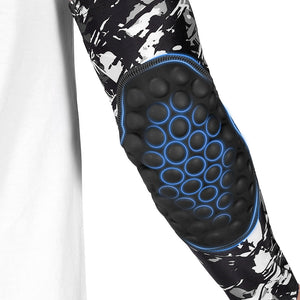
Compression Sleeve for Elbow Pain
- Black
- Grey
- Blue
- Purple
- Pink
- Black
- Dusty Blue
- Blue
- Pink
- White
- Pink
- White
- Yellow
- Purple
- Black
- Black
- Grey
- Grey
- Black
- Blue
- Grey
- Blue
- Black
- Black
- Blue
How Do You Wear a Compression Sleeve for Tennis Elbow?
Dealing with the throbbing ache of lateral epicondylitis—commonly known as tennis elbow—can put a halt to your favorite activities, from playing sports to simply gripping a coffee cup or typing at a desk. A high-quality compression sleeve for tennis elbow is expertly designed to provide targeted joint support, improve blood circulation, and reduce stubborn inflammation in the affected arm region.
Simply buying athletic support isn’t enough. Wearing it correctly can significantly enhance your everyday comfort level, stabilize the joint, and potentially speed up your body's natural recovery process. Whether you are dealing with repetitive strain injuries, forearm muscle fatigue, or sharp joint aches, here is your comprehensive guide on how to properly wear an elbow sleeve for maximum tendonitis relief.
Step 1: Choose the Right Size for Optimal Fit
Before you even attempt to slide the garment onto your arm, it is absolutely essential to measure your limb to ensure a highly accurate fit. Most supportive athletic garments are available in a wide variety of sizes. Using a compression sleeve that is too tight can dangerously restrict blood flow and cause a throbbing sensation, while one that is too loose will simply slide down your arm and fail to provide the necessary targeted therapy.
Grab a flexible measuring tape and measure the circumference of your forearm, your elbow joint, and your lower bicep. Compare these exact measurements with the sizing chart on the packaging to select the perfect fit for your unique anatomy.
Step 2: Position the Sleeve Correctly
Once you have secured the correct size, start by sitting down in a comfortable position, keeping your arm completely relaxed and slightly bent. Gently slide the fabric onto your hand, beginning at your wrist, and slowly pull it up your forearm until it rests comfortably directly over your elbow.
The padding or the thickest targeted zones should cover the lateral epicondyle—the prominent bony bump on the outside of your elbow where the inflammation originates. Ensure the fabric covers the area seamlessly without bunching, wrinkling, or rolling down at the edges. The ergonomic design should allow your arm to bend, flex, and extend freely without pinching or restricting movement.
Step 3: Adjust for Maximum Comfort and Support
After placing the garment in position, take a moment to adjust it for everyday wear. The fit should feel reassuringly snug, gently hugging the muscles and tendons to promote warmth and oxygen delivery, but it should never be actively painful.
If you begin to experience any numbness, tingling in your fingers, color changes in your skin, or excessive pressure, remove the garment immediately. These are clear signs that the fit is too tight, and you should consider exchanging the item for a larger size.
Step 4: Wear It During Triggering Activities
For the absolute best therapeutic results, it is highly recommended to wear your sleeve during any physical activities that might aggravate your condition. Whether you are swinging a tennis racket, lifting weights at the gym, doing heavy yard work, or doing daily tasks that involve repetitive arm movements (like painting or working with tools), the extra stability helps prevent further microtears in the tendon.
Wearing a compression sleeve for elbow pain is incredibly beneficial during both peak activity and post-activity rest periods, particularly in the initial healing stages, when the joint is most vulnerable to reinjury.
Step 5: Maintain Proper Hygiene and Fabric Care
Because you will likely wear this support during strenuous physical activities, it will naturally trap sweat, dead skin cells, and moisture. If not cleaned regularly, this trapped moisture can quickly lead to unpleasant odors, bacterial growth, and severe skin irritation.
Always follow the specific care instructions provided with your garment. As a general rule of thumb, hand-washing the fabric in cold water with a mild, skin-friendly detergent and allowing it to air-dry flat is the best way to preserve its elasticity, structural integrity, and therapeutic effectiveness over time. Avoid using a hot clothes dryer, as extreme heat can melt and degrade the spandex and elastic fibers.
Step 6: Monitor Your Symptoms and Recovery Progress
While wearing a supportive sleeve is a fantastic, non-invasive way to manage localized joint discomfort, it is crucial to continually monitor your symptoms. Pay close attention to how your arm feels after a few weeks of consistent use and rest.
If the agonizing ache persists, worsens, or radiates down into your wrist, hand, or up into your shoulder, it is time to consult a qualified healthcare professional, sports medicine specialist, or physical therapist. They can accurately assess the severity of your injury and may recommend complementary treatments, such as targeted physical therapy exercises, deep-tissue massage, or advanced pain management strategies.
Frequently Asked Questions About Elbow Support
Can I sleep with my supportive sleeve on?
In most cases, it is advised to remove tight compressive garments before going to bed. Your heart rate naturally slows while you sleep, and wearing tight items overnight can disrupt healthy circulation during rest. Unless specifically instructed by a doctor, let your skin breathe, and your arm rest completely unencumbered during the night.
How long should I wear it during the day?
While you can safely wear it for several hours—especially during a long shift at work or an intense athletic performance—it is smart to take periodic breaks. Slipping it off for fifteen minutes every few hours allows your skin to breathe, prevents excessive sweat buildup, and ensures your muscles do not become overly reliant on external joint stabilization.