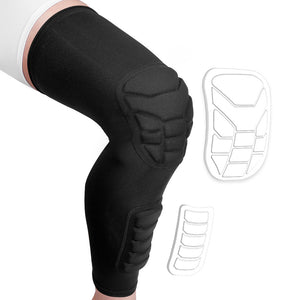
Elbow Wraps for Pain
- Black
- Grey
- Blue
- Purple
- Pink
- Black
- Dusty Blue
- Blue
- Pink
- White
- Pink
- White
- Yellow
- Purple
- Black
- Black
- Grey
- Grey
- Black
- Blue
- Grey
- Blue
- Black
- Black
- Blue
Does Wrapping Your Elbow Help with Pain?
Whether you are struggling with a sudden injury from a heavy workout or dealing with chronic discomfort from repetitive daily tasks, joint pain can bring your normal routine to an abrupt halt. A common question for anyone dealing with this discomfort is: Does wrapping the affected area actually make a difference? The short answer is yes. Compression therapy can offer significant benefits for managing discomfort, improving joint mobility, and speeding your overall recovery.
Key Benefits: How Compression Therapy Alleviates Discomfort
Reduces Swelling and Inflammation
When inflammation flares up in your joints—often due to repetitive strain injuries like tennis elbow (lateral epicondylitis) or golfer's elbow (medial epicondylitis)—fluid begins to accumulate in the soft tissues. This excess fluid increases pressure on nearby nerves, causing sharp, throbbing pain. Applying localized compression helps limit this fluid buildup. For instance, wearing an expertly designed arm brace for elbow pain gently squeezes the inflamed area, preventing severe swelling around the compromised tendons. By reducing inflammation, the pressure on your sensitive nerves decreases, directly reducing pain.
Provides Crucial Joint Stability
If you have recently suffered a mild sprain or muscle strain, your joint requires external support to heal properly and prevent further damage. Wrapping the area acts as a reliable external stabilizer, keeping the tendons and ligaments in a secure, neutral position during movement. Whenever you move your arm, the wrap effectively restricts awkward, abnormal, or excessive motions that might aggravate your underlying injury. This added stability makes everyday activities—like reaching for a coffee cup, lifting light household objects, or simply bending your arm to type at a desk—feel much more manageable and significantly less painful.
Enhances Blood Circulation and Muscle Recovery
Beyond structural support, the gentle, consistent compression of an elbow wrap can significantly affect your circulatory system. The targeted pressure encourages blood to flow more efficiently through the localized blood vessels. Improved circulation means faster, more effective delivery of vital oxygen and essential nutrients to fatigued muscles, damaged tendons, and cellular tissue. This increased blood flow also helps flush out cellular waste products, such as lactic acid, which commonly builds up after a strenuous fitness routine. By optimizing circulation, you minimize achy muscle soreness and create an ideal internal environment for natural healing.
Common Conditions That Benefit from Extra Support
Knowing when to apply compression helps you target specific ailments effectively. Many people find relief from the following common issues:
- Repetitive Strain Injuries: Overuse from daily activities like typing, painting, or gardening can cause micro-tears in the tendons. Consistent compression soothes these irritated tissues.
- Weightlifting and Gym Fatigue: Heavy lifting puts immense stress on the joints. Wrapping provides the proprioceptive feedback and structural support needed to lift safely and recover faster.
- General Joint Stiffness: Gentle warmth and compression can soothe stiff, creaky joints, especially during cold weather or early morning routines.
Tips for Effectively Wrapping Your Joints
To get the most out of your compression routine and ensure optimal joint health, keep these essential guidelines in mind:
Avoid Over-Tightening
Compression should feel snug and supportive but never restrict blood flow. If you experience tingling, numbness, a cold sensation, or a color change in your fingers, loosen the tension immediately.
Combine with Proper Rest
Compression is highly effective, but it is only one piece of the recovery puzzle. For acute injuries or severe flare-ups, pairing your support routine with adequate rest and cold therapy can maximize healing.
Wear During Trigger Activities
While rest is important, applying support during the activities that trigger your symptoms—such as playing sports, carrying groceries, or doing manual labor—can prevent micro-injuries and keep inflammation at bay.
Final Thoughts on Managing Joint Pain
Addressing discomfort early is vital for preventing chronic mobility issues. Proper wrapping techniques offer a non-invasive, highly effective way to relieve achiness, reduce swelling, and help you regain full range of motion. By maintaining stability and promoting healthy circulation, compression therapy is a valuable part of your daily wellness and recovery routine. Always listen to your body, adjust the fit as needed, and consult a healthcare professional if severe symptoms persist.