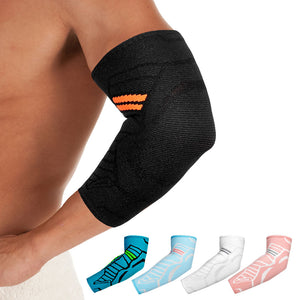
Pickleball Elbow Brace
- Black
- Grey
- Blue
- Purple
- Pink
- Black
- Dusty Blue
- Blue
- Pink
- White
- Pink
- White
- Yellow
- Purple
- Black
- Black
- Grey
- Grey
- Black
- Blue
- Grey
- Blue
- Black
- Black
- Blue
Can I Play Pickleball If I Have a Tennis Elbow?
Pickleball is undeniably one of the fastest-growing recreational activities, beautifully blending elements of tennis, badminton, and table tennis into an accessible, highly engaging racket sport. However, as more enthusiastic players flock to the courts, there has been a noticeable increase in sports-related overuse injuries. One of the most frequently asked questions by both beginners and seasoned veterans is how a pre-existing condition—specifically, outer elbow pain—affects their ability to play.
Tennis elbow, clinically referred to as lateral epicondylitis, is a painful condition characterized by inflammation and micro-tearing of the tendons that join your forearm muscles to the outside of your elbow. Because this condition stems directly from repetitive arm and wrist motions, it is a significant concern for anyone wanting to maintain their time on the pickleball court.
Understanding Lateral Epicondylitis in Racket Sports
Before deciding whether to grab your paddle, it is important to understand why lateral epicondylitis occurs. Every time you strike a pickleball, especially during forceful backhand shots or rapid kitchen-line volleys, the repetitive impact sends vibrations down your arm. Over time, this constant stress can overload the forearm tendons, leading to chronic inflammation, stiffness, and a burning sensation on the outer part of the elbow joint.
Can You Safely Play Pickleball with Elbow Pain?
So, can you actually play pickleball if you have a tennis elbow? The answer is generally yes, but it depends heavily on the current severity of your symptoms and your commitment to taking proactive measures.
If you are experiencing only mild discomfort and your healthcare provider or physical therapist has cleared you for light athletic activity, you can often continue to enjoy racket sports with a few strategic modifications. On the other hand, if your lateral epicondylitis pain is severe, sharp, or persistent even when at rest, the smartest approach is to temporarily step away from the court. Playing through intense pain can cause further tendon damage, transforming a temporary setback into a long-term chronic injury.
Wearing the Right Support on the Court
One of the absolute most effective strategies for managing joint and tendon symptoms while remaining active is utilizing targeted compression therapy. Wearing a properly fitted pickleball elbow brace is highly recommended for players looking to alleviate pressure on the affected area.
How Compression Aids in Tendon Recovery
This targeted support band is designed to sit just below the elbow crease, absorbing the shock and vibration generated when the paddle makes contact with the ball. By stabilizing the forearm muscles and redistributing the workload, the brace significantly reduces the strain on your inflamed tendons. This allows players to engage in their favorite sport with confidence, minimizing sharp pain during volleys and serves. Furthermore, gentle compression helps increase localized blood circulation, delivering vital oxygen and nutrients to damaged tissues, thereby naturally accelerating the healing and recovery process.
Pro Tips: Modifying Your Gear and Technique
Altering the way you play and the equipment you use can make a massive difference in preventing lateral epicondylitis flare-ups.
Choose the Right Paddle Weight and Grip Size
Playing with a paddle that is too heavy can put excessive drag and strain on your forearm with every swing. Consider switching to a lightweight or mid-weight graphite or fiberglass paddle to reduce joint fatigue. Additionally, ensure your paddle grip size is appropriate for your hand. A grip that is too small forces you to squeeze the handle tighter, which directly triggers forearm tension and aggravates elbow pain. Increasing the grip circumference slightly can help your hand relax.
Improve Your Stroke Mechanics
Many recreational players develop tennis elbow because they rely too heavily on the "flicking" motion of their wrist to generate power. To protect your elbow, focus on fluid, full-body stroke mechanics. Generate your swinging power from your core, hips, and shoulders rather than isolating your wrist and forearm. Taking a lesson from a certified pickleball instructor to correct a faulty backhand technique can do wonders for your long-term joint health.
Essential Warm-Up and Forearm Stretching Routine
Never step onto the pickleball court completely cold. A comprehensive warm-up routine is your first line of defense against tendon injuries. Begin with five to ten minutes of light cardiovascular activity, such as brisk walking or jogging, to get your blood pumping.
Follow this up with dynamic forearm and wrist stretches. Gently pull your fingers back toward your body to stretch the flexor muscles, and then press the back of your hand downward to stretch the extensor muscles. Improving your wrist and arm flexibility ensures your tendons are elastic and prepared to handle the fast-paced, unpredictable nature of a pickleball match.
Prioritize Rest, Ice, and Proper Recovery
Even with perfect technique and the right supportive gear, managing tennis elbow requires you to listen closely to your body. It is incredibly beneficial to limit your playtime during recovery, perhaps dropping from playing daily to just two or three times a week.
After a game, prioritize your post-match recovery. Applying an ice pack to the outer elbow for 15 to 20 minutes can significantly reduce post-game swelling and minor aches. By combining adequate rest days, mindful gear choices, and proper joint stabilization, you can successfully manage your tennis elbow and continue to enjoy the fantastic sport of pickleball for years to come.