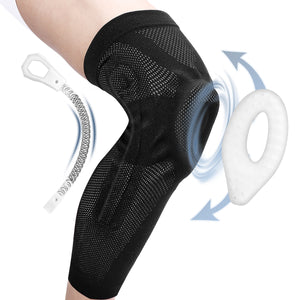
Elbow Wraps Bench Press
- Grey
- Black
- Blue
- Black
- Grey
- Blue
- Purple
- Pink
- Black
- Blue
- Black
- Dusty Blue
- Blue
- Pink
- White
- Black
- Grey
- Grey
- Blue
- Black
- Pink
- White
- Yellow
- Purple
- Black
How Do I Bench Press Without Hurting My Elbows?
Bench pressing is a foundational compound movement that builds a strong, muscular chest, robust shoulders, and powerful triceps. However, many fitness enthusiasts and weightlifters often experience nagging joint discomfort, leaving them wondering how to perform this classic lift without strain. If you are struggling with achy arms after chest day, you are not alone. Protecting your connective tissues is crucial for long-term progress, continued muscle growth, and overall upper-body strength.
Why Does Joint Discomfort Happen When Bench Pressing?
Before diving into the solutions, it helps to understand why the discomfort occurs in the first place. During a heavy press, your arm joints act as a crucial hinge, bearing a significant portion of the barbell's load as you lower and drive the weight back up. Poor lifting technique, flaring the arms too wide, lifting excessively heavy weights without proper progression, or accumulated muscle fatigue can irritate the surrounding tendons and ligaments. Fortunately, you can manage and prevent this with a few smart adjustments to your routine.
Essential Tips for a Pain-Free Bench Press
By adding the following proactive steps to your training regimen, you can protect your joints and maximize your performance on the bench.
Prioritize a Comprehensive General Warm-Up
Never underestimate the power of a proper warm-up before you even touch the barbell. Before starting the bench press, engage in 5 to 10 minutes of light aerobic activity. Simple movements such as jogging in place, performing jumping jacks, or using a stationary bike work wonders for your physical preparation.
This initial phase of your workout raises your core temperature and helps circulate oxygen-rich blood throughout your body. By actively warming up the muscles, tendons, and ligaments surrounding your joints, you increase natural synovial fluid production. This fluid lubricates the hinge mechanisms of your arms, preparing them for the heavy loads ahead and ensuring smoother, safer pressing motions.
Utilize Supportive Fitness Gear
One of the most effective strategies for maintaining joint health during heavy pressing sessions is wearing the right supportive apparel. Made from highly durable, heat-retaining materials like neoprene, elbow compression sleeves offer unparalleled support and targeted compression directly to the joint.
These sleeves help trap your natural body heat, keeping connective tissues warm, boosting localized blood circulation, and reducing muscle fatigue during high-volume sets. Put on your elbow compression sleeves before starting your bench press warm-up sets to get the most benefit. Make sure they fit snugly for stability, but not so tight that they restrict healthy blood flow or numb your lower arms.
Master Your Pressing Technique and Grip Width
Technique dictates joint longevity. When lowering the weight to your chest, pay close attention to your arm angle. Avoid flaring them out at a sharp 90-degree angle parallel to your shoulders, as this places immense stress on the delicate tendons. Instead, tuck them slightly—aiming for a 45-to-60-degree angle from your torso. This shift transfers the load away from the joints and properly onto the powerful chest and triceps muscles.
Additionally, assess your grip width on the barbell. A grip that is excessively wide or extremely narrow can place unnatural torque on your arms. Find a moderate, balanced grip that keeps your forearms relatively vertical at the bottom of the movement.
Practice Strict Pain Awareness and Load Management
Listening to your body is non-negotiable for long-term strength training. Pay close attention to any pain or discomfort in your joints during the bench press. There is a distinct difference between the burn of muscle fatigue and the sharp sting of joint strain.
If you experience a sharp pain, stop the exercise immediately. Continuing to lift while in active pain can lead to much more serious and lasting injuries. Acute discomfort could indicate a breakdown in form, lifting too much weight before your body has adapted, or an underlying issue that requires rest and professional attention. Never sacrifice your physical well-being just to squeeze out an extra repetition.