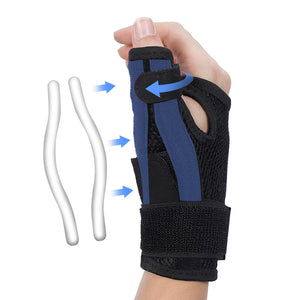
Golfers Elbow Brace
- Black
- Grey
- Blue
- Purple
- Pink
- Black
- Dusty Blue
- Blue
- Pink
- White
- Pink
- White
- Yellow
- Purple
- Black
- Black
- Grey
- Grey
- Black
- Blue
- Grey
- Blue
- Black
- Black
- Blue
What Can Be Mistaken for Golfer's Elbow?
Experiencing a sharp, shooting ache on the inner side of your elbow can easily bring your active lifestyle or daily work routine to a grinding halt. When people feel this distinct medial elbow pain, they often jump to a common conclusion: they must be dealing with medial epicondylitis, widely known as golfer's elbow. However, reaching an accurate diagnosis is rarely that simple.
Because the elbow is a highly complex hinge joint—supported by an intricate web of ligaments, tendons, and nerves—many different injuries and ailments can cause nearly identical symptoms. If you have been struggling with inner elbow pain, forearm stiffness, or discomfort when gripping objects, it is vital to recognize that several other conditions can easily be mistaken for a golfer's elbow.
Common Conditions That Mimic Medial Epicondylitis
Understanding the subtle differences between inner elbow ailments can help guide you toward the right recovery plan. Here are the most frequent culprits that share symptoms with golfer's elbow.
Cubital Tunnel Syndrome (Ulnar Nerve Entrapment)
One of the most frequent misdiagnoses for medial epicondyle pain is Cubital Tunnel Syndrome. This nerve condition occurs when the ulnar nerve—commonly known as the "funny bone" nerve—becomes compressed, pinched, or irritated as it travels through the inside of the elbow joint.
While a golfer's elbow primarily involves tendon damage, ulnar nerve entrapment is purely neurological. If you have pain with a "pins and needles" tingling sensation or numbness radiating down your forearm and into your ring and pinky fingers, nerve compression is the likely culprit. The localized ache at the inner elbow makes it incredibly easy to confuse with medial epicondylitis.
Elbow Bursitis (Olecranon Bursitis)
Your elbow joint is cushioned by small, fluid-filled sacs called bursae, which act as gliding surfaces to reduce friction between moving tissues. When the bursa on the point of the elbow sustains repetitive trauma, prolonged pressure, or an acute impact, it can become highly inflamed—a condition known as bursitis.
Bursitis triggers swelling, localized heat, and significant tenderness that can radiate to the inner elbow. A key differentiator is a visible, sometimes swollen lump at the back or side of the elbow. If pressure applied directly to the resting elbow causes severe discomfort, you might be dealing with bursal inflammation rather than tendon damage.
Pronator Teres Syndrome
This condition involves the entrapment or compression of the median nerve as it passes between the two heads of the pronator teres muscle in your forearm. Pronator Teres Syndrome is particularly notorious for mimicking golfer's elbow because it causes deep, aching forearm pain that intensifies during gripping and twisting motions, such as turning a screwdriver or opening a heavy jar.
The symptom overlap is striking, but median nerve compression often brings additional signs, such as numbness or a heavy sensation in the thumb, index, and middle fingers. Because the pain spikes during repetitive forearm movements, it is frequently confused with flexor tendon strains.
General Elbow Tendonitis and Muscle Strains
Tendons are thick cords of tissue attaching muscles to bone. While medial epicondylitis specifically refers to the degeneration and inflammation of the flexor tendons attaching to the inner elbow bump, you can develop generalized elbow tendonitis or muscle strains in the surrounding areas.
Repetitive motions from heavy lifting, manual labor, typing, or racket sports can strain various muscles along the forearm. Sometimes, an acute tear or minor strain in the flexor-pronator muscle mass presents as generalized inner elbow pain, making it difficult to distinguish from classic medial epicondylitis without a professional physical examination.
Cervical Radiculopathy (Referred Nerve Pain)
Occasionally, the pain felt in your arm does not originate in the arm at all. A pinched nerve in the cervical spine (the neck) can radiate discomfort down the entire length of the limb. This referred pain can settle in the inner elbow and forearm, mimicking a localized injury. If your elbow pain is accompanied by a stiff neck or shoulder aches, spinal nerve compression might be the hidden cause.
Effective Management and Support for Inner Elbow Pain
No matter the exact source of your inner arm discomfort, managing stress on the joint is a crucial first step in recovery. Standard conservative care for these overlapping conditions typically involves resting the affected arm, modifying the activities that trigger the pain, and utilizing ice therapy to reduce acute swelling.
Targeted compression is also an excellent tool for daily relief. A golfer's elbow brace can help relieve symptoms in many cases by providing soothing compression and structural support to overworked tendons and muscles. By redistributing force away from damaged tissues, a supportive strap lets the inflamed area rest and supports a smoother recovery as you go about your day.
When to Seek Professional Guidance
While supportive gear, adequate rest, and gentle forearm stretching can help with mild inflammation, guessing your diagnosis can delay proper healing. Because the treatments for nerve entrapment (like Cubital Tunnel Syndrome) differ vastly from the treatments for tendon degeneration, obtaining a precise diagnosis from a trusted healthcare provider is essential. A professional evaluation will rule out complex conditions, ensure you are not dealing with structural ligament tears, and provide you with a tailored rehabilitation protocol to restore your arm's strength and mobility.