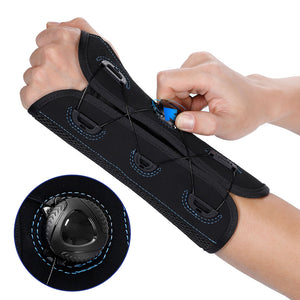
Arm Brace for Tennis Elbow
- Black
- Grey
- Blue
- Purple
- Pink
- Black
- Dusty Blue
- Blue
- Pink
- White
- Pink
- White
- Yellow
- Purple
- Black
- Black
- Grey
- Grey
- Black
- Blue
- Grey
- Blue
- Black
- Black
- Blue
What Is the Best Arm Support for Tennis Elbow?
Dealing with lateral epicondylitis—commonly known as tennis elbow—can turn everyday tasks into painful challenges. Whether you are gripping a coffee mug, typing at your desk, lifting groceries, or swinging a racket on the court, that sharp, aching pain on the outside of your arm can significantly impact your quality of life. For many people with this condition, an elbow brace is widely considered the best non-invasive option. A well-designed brace provides targeted relief, mitigates strain on inflamed tendons, and stabilizes the affected area to encourage natural repair.
Because tendonitis and forearm pain can vary heavily in severity, there are several distinct types of elbow braces on the market today. Each design offers its own unique set of benefits tailored to different stages of recovery and varying activity levels. Here is a detailed look at the best arm supports for tennis elbow and how they can help you heal.
The Benefits of Different Tennis Elbow Supports
Elbow Compression Sleeves
For those seeking full-joint coverage, warmth, and a sleek profile, sleeves are an incredibly popular choice for managing joint pain.
Enhances Blood Circulation: Covering the entire elbow joint, compression elbow sleeves apply gentle, continuous, and graduated compression. This therapeutic pressure is highly beneficial because it actively enhances blood flow to the affected area. With better, more efficient circulation, oxygen and essential nutrients can be transported much faster to the damaged tendons, which is a vital component of the body's healing process. Additionally, the improved circulation helps flush out waste products, lactic acid, and inflammatory substances from the joint tissue, thereby significantly reducing localized swelling and stiffness.
All-Day Comfort: Crafted from soft, moisture-wicking, and breathable materials, these sleeves are exceptionally comfortable to wear for extended periods. Because they do not feature rigid components, heavy hinges, or complex strapping, they will not cause pinching or unnecessarily restrict your natural range of motion. This means you can comfortably wear them seamlessly underneath your clothing throughout the entire day. Whether you are typing at work, running errands around town, or relaxing at home, a sleeve provides consistent, warming support to the elbow while helping to manage the nagging symptoms of lateral epicondylitis.
Tennis Elbow Band
Often referred to in the orthopedic space as counterforce braces, these compact straps sit just below the elbow joint to target the exact source of your discomfort.
Targeted Pain Relief: A significant benefit for a vast majority of users is the immediate, localized relief these straps provide. By applying pressure directly over the forearm muscle belly, the band acts as a secondary attachment point, mitigating the excessive load and shock that travels up to the inflamed tendons. As a result, it becomes entirely possible to engage in daily routines, heavy lifting, or light physical activities with notably less pain. This targeted pressure allows for a much more comfortable experience while the affected lateral epicondyle is actively healing.
Muscle and Tendon Stability: A high-quality arm band for tennis elbow offers essential stability to the forearm muscles and extensor tendons. Because the strap can be manually adjusted to fit your arm snugly, it ensures that these crucial musculoskeletal structures are held in a much more stable, secure position during movement. This localized stability helps prevent further micro-trauma to the already irritated tendons and actively promotes the body's natural tissue repair process. Moreover, the secure fit gives individuals significantly more confidence when gripping, grasping, or twisting their arms during various daily tasks.
Elbow Immobilizer
When profound rest is paramount—such as during acute pain flare-ups or while sleeping at night—a rigid splint provides the ultimate defense against joint aggravation.
Preventing Reinjury: For individuals currently in the delicate early phases of recovery, or those with a persistent tendency to reaggravate their tennis elbow during specific repetitive activities, a tennis elbow immobilizer is an excellent preventive measure. It features internal stays that ensure the elbow joint stays within a safe, limited range of motion. By stopping the arm from bending past a certain angle, it thoroughly protects the vulnerable tendons from further tension and strain. This restriction is particularly useful during sleep, as many people subconsciously curl their arms at night, or when slowly resuming physical activities that caused the initial injury.
Enhanced Healing: Keeping the arm in a straight, stable, and immobilized position helps prevent the ongoing microtears and tendon damage associated with repetitive bending. It allows the body's natural cellular repair mechanisms to work far more effectively by drastically reducing biomechanical stress on the affected area. By giving the inflamed tendon a true break from movement, patients often experience much quicker healing times compared to when the elbow is constantly subjected to the daily friction and rotation that continually aggravates the condition.
How to Choose the Right Support for Your Lifestyle
Selecting the ideal arm support for tennis elbow ultimately depends on your specific symptoms, your daily routine, and your current stage of recovery:
- For daily wear and mild, nagging aches: Opt for a compression sleeve. It provides soothing warmth and circulation without limiting your movement, making it perfect for office work or general daily tasks.
- For active individuals, workers, and athletes: Choose an adjustable forearm band. If you need to play a sport, do yard work, type aggressively, or lift weights, a counterforce strap isolates the tendon without compromising your overall joint mobility.
- For severe pain and nighttime relief: Select an immobilizer or splint. Restricting movement while you sleep is one of the most highly recommended ways to ensure you wake up without a stiff, aching elbow.
By understanding the unique benefits of each type of support, you can make an informed decision that accelerates your recovery, minimizes discomfort, and helps you return to your favorite activities pain-free.