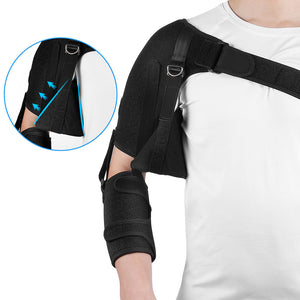
Ulnar Nerve Brace
- Black
- Grey
- Blue
- Purple
- Pink
- Black
- Dusty Blue
- Blue
- Pink
- White
- Pink
- White
- Yellow
- Purple
- Black
- Black
- Grey
- Grey
- Black
- Blue
- Grey
- Blue
- Black
- Black
- Blue
Will an Elbow Brace Help the Ulnar Nerve?
If you have ever experienced a sudden, sharp shock after bumping your "funny bone," you are already intimately familiar with the ulnar nerve. However, when this nerve becomes continuously compressed or irritated, that fleeting tingling can turn into a chronic, painful condition known as ulnar nerve entrapment, or cubital tunnel syndrome.
This condition occurs when the ulnar nerve, which travels down the inner side of your elbow, becomes pinched. The result? Persistent tingling, numbness, or weakness that radiates down into the ring and little fingers, often accompanied by deep discomfort in the forearm and elbow joint. If you are struggling with these disruptive symptoms and looking for non-surgical relief, you might be wondering what steps to take next. To alleviate this nerve pain and promote natural healing, many individuals find significant success by incorporating a specialized ulnar nerve brace into their daily routine.
Understanding Ulnar Nerve Entrapment and Cubital Tunnel Syndrome
To understand why an elbow support is so highly recommended, it is helpful to know how nerve entrapment happens in the first place. The ulnar nerve passes through a narrow tunnel of tissue on the inside of the elbow called the cubital tunnel. Because there is very little muscle or soft tissue to protect the nerve in this specific area, it is highly vulnerable to external pressure and tension.
When you bend your elbow beyond 90 degrees, the ulnar nerve is stretched tightly around the elbow bone, and the cubital tunnel narrows, dramatically increasing pressure on the nerve. Over time, repetitive bending, leaning on hard surfaces, or holding your arm in a flexed position for long periods can lead to severe inflammation, nerve irritation, and loss of hand grip strength.
How Bracing Supports Nerve Healing and Pain Relief
An elbow splint or brace is a frontline therapeutic tool designed to manage and reverse the symptoms of cubital tunnel syndrome. By gently stabilizing the elbow joint and maintaining it in a neutral, slightly extended position, a brace effectively prevents the excessive arm bending that is the major contributor to nerve compression.
The Crucial Role of Nighttime Splinting
One of the most common culprits of ulnar nerve aggravation occurs while you are fast asleep. Many people naturally and unconsciously curl their arms tightly against their chests or tuck their hands under their pillows during the night. Sleeping with a bent arm places sustained, intense pressure on the ulnar nerve for hours on end, which is why individuals often wake up with numb, tingling hands.
Wearing a brace is particularly effective at night. Nighttime splinting ensures your arm remains in a safe, extended position while you sleep. By keeping the arm straight, you actively reduce pressure within the cubital tunnel, allowing for improved blood circulation, decreased inflammation, and uninterrupted nerve healing.
Daytime Protection for Active Lifestyles
While nighttime use is essential for recovery, utilizing support during the day can also prevent symptom flare-ups. A well-designed brace can protect the arm during daily tasks that might otherwise trigger nerve pain. Whether you are typing at a computer desk for hours, driving long distances, or participating in recreational sports, keeping the elbow partially immobilized stops you from habitually resting your arm on hard armrests or bending it too sharply.
Key Features to Look for in an Elbow Support
When it comes to finding the best arm support for nerve entrapment, comfort and functionality must go hand in hand. It is crucial to choose a product that provides adequate immobilization without ever restricting your healthy blood circulation.
Look for the following features to ensure maximum relief:
- Adjustable Straps: A customizable fit is vital. Adjustable straps allow you to secure the elbow joint firmly in place while ensuring the support is not overly tight, which could accidentally cause secondary circulation issues or skin pinching.
- Breathable Materials: Because nerve healing requires consistent use over weeks or even months, the brace must be comfortable for prolonged wear. Opt for lightweight, moisture-wicking, and highly breathable fabrics that prevent sweating and skin irritation—a feature that is especially important for overnight use.
- Targeted Neutral Positioning: The ideal support will not lock your arm entirely straight (which can sometimes be uncomfortable for the joint), but rather hold it at a gentle angle (often around 120 degrees), widely considered the optimal resting posture for easing tension on the ulnar nerve.
Additional Lifestyle Adjustments for Optimal Recovery
In addition to consistent bracing, making a few simple lifestyle modifications can drastically improve your recovery timeline. Avoid leaning on your elbows at your desk, in your car, or at the dining table, as direct pressure is just as damaging as bending. Optimize your ergonomic workstation to ensure your keyboard and mouse are at a height that allows your elbows to rest comfortably without being hyper-flexed.
Combining everyday ergonomic awareness with the reliable support of a targeted elbow brace provides your irritated ulnar nerve with the stress-free environment it desperately needs to heal. By taking these proactive steps, you can successfully reduce nerve compression and regain full feeling, strength, and comfort in your arm and hand.