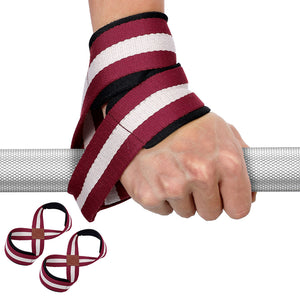
Elbow Brace for Lifting
- Black
- Grey
- Blue
- Purple
- Pink
- Black
- Dusty Blue
- Blue
- Pink
- White
- Pink
- White
- Yellow
- Purple
- Black
- Black
- Grey
- Grey
- Black
- Blue
- Grey
- Blue
- Black
- Black
- Blue
Why Do Lifters Wear Elbow Sleeves?
Walk into any serious weightlifting gym, and you are bound to see athletes equipping themselves with various types of performance gear. Among the most popular accessories in a strength athlete’s gym bag are elbow sleeves. Whether you are an everyday fitness enthusiast, a competitive powerlifter, or a bodybuilder chasing muscular hypertrophy, protecting your joints is essential. But what exactly is the science behind this popular gym accessory, and why is it considered a mandatory tool for upper-body training?
The Mechanics of the Gear: What Are Elbow Sleeves?
At their core, elbow sleeves are cylindrical garments crafted from durable, highly elastic materials—most commonly premium neoprene or dense spandex blends. Designed to fit snugly over the arm, they physically wrap the joint in a protective, flexible layer. Unlike rigid splints or hard plastic guards, sleeves move naturally with your body’s biomechanics, keeping your range of motion unhindered during complex pressing movements.
Top Reasons Athletes Rely on Arm Compression
1. Joint Support and Unwavering Stability
One of the primary functions of wearing these snug garments is to provide mechanical support and stability for the arm's structural components. When you are pushing extremely heavy weights during exercises like the barbell bench press, overhead press, or weighted dips, the elbow joint is subjected to massive amounts of physical stress and sheer force.
Sleeves help to reinforce the joint capsule and surrounding connective tissues, dramatically reducing the risk of sudden injury. This proactive defense is particularly vital for lifters who perform high-frequency, repetitive movements, which can easily lead to frustrating overuse injuries such as tendinitis, tennis elbow, or minor ligament strains.
While athletes recovering from a specific, acute injury might need a more restrictive elbow brace to immobilize or protect a damaged tendon, standard neoprene sleeves remain the go-to choice for healthy lifters seeking proactive joint reinforcement and everyday training stability.
2. Targeted Compression and Accelerated Recovery
Beyond simple structural support, the material's tight fit offers immense benefits through targeted compression. The gentle, continuous pressure of these sleeves acts as a localized vascular stimulant, significantly increasing blood flow to surrounding tissues.
This localized hyperemia (increased blood flow) brings fresh, oxygen-rich blood and vital nutrients to the working muscles while also helping to flush metabolic waste products, such as lactic acid. By optimizing circulation, compression helps reduce mid-workout swelling and plays a massive role in promoting post-workout recovery. For athletes who engage in high-volume training programs, this circulatory boost helps mitigate delayed-onset muscle soreness (DOMS). By wearing them, lifters often perform at a much higher intensity throughout their session while minimizing the discomfort that usually follows heavy upper-body days.
3. Superior Warmth for Injury Prevention
Another incredibly essential aspect of this lifting accessory is its ability to generate and trap heat around the muscles and joints. Keeping the joint warm is crucial during intense physical activities, as cold, stiff muscles and poorly lubricated joints are far more susceptible to tears and strains.
The insulating properties of thick neoprene trap your natural body heat, thereby increasing the local temperature of the synovial fluid within the joint. This warmth acts like engine oil, keeping the joint lubricated, flexible, and ready for the demands of strength training. Many lifters find that this localized heat retention helps them warm up faster, perform better during working sets, and drastically reduces the likelihood of mid-workout stiffness or sharp pain.
4. The Psychological Edge: Confidence Under the Bar
Physical benefits aside, adding supportive gear to a heavy training regimen creates a major psychological advantage. Lifting heavy weights is just as much a mental battle as it is a physical one. Proprioception—the body's central nervous system sensing its position in space—is heightened when the skin feels the tight wrap of the fabric.
Knowing that the joint is tightly secured and physically supported can significantly boost a lifter's confidence. This mental reassurance reduces fear of the joint "giving out" under maximum loads, allowing lifters to push further, grind through sticking points, and attack heavier weights. In the end, this enhanced mental focus leads to better technique, improved overall performance, and faster progress in any strength-training block.
Should You Add Them to Your Gym Bag?
Whether you are trying to break through a frustrating bench press plateau, protect your arms during heavy triceps extensions, or simply want to keep your joints healthy for decades of future workouts, wrapping your arms in supportive neoprene is a smart investment. By combining essential warmth, circulatory compression, mechanical stability, and a significant boost in mental confidence, elbow sleeves are more than a fitness trend—they are a proven tool for safely maximizing your strength potential.