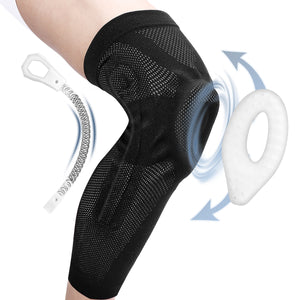
Epicondylitis Brace
- Black
- Grey
- Blue
- Purple
- Pink
- Black
- Dusty Blue
- Blue
- Pink
- White
- Pink
- White
- Yellow
- Purple
- Black
- Black
- Grey
- Grey
- Black
- Blue
- Grey
- Blue
- Black
- Black
- Blue
How Do You Fix Epicondylitis?
Stubborn elbow discomfort can bring your active lifestyle and daily routines to a grinding halt. Epicondylitis is a highly common overuse injury that affects the tendons attaching to your elbow joint. Whether you have lateral epicondylitis, commonly known as tennis elbow, or medial epicondylitis, often called golfer's elbow, the resulting stiffness and soreness require a strategic approach to heal properly.
If you are wondering how to fix epicondylitis effectively and regain your full range of motion, the recovery journey typically involves a combination of targeted rest, supportive gear, and progressive physical rehabilitation.
Understanding Your Elbow Condition: Lateral vs. Medial Epicondylitis
Before diving into treatments, it helps to understand what is happening beneath the skin. Epicondylitis is essentially the inflammation or micro-tearing of the tendons that join your forearm muscles to the bony prominences (epicondyles) on the outside or inside of your elbow.
- Tennis Elbow (Lateral Epicondylitis): This occurs on the outer part of the elbow. It is usually triggered by repetitive wrist extension and gripping, causing a burning sensation that radiates down the forearm.
- Golfer's Elbow (Medial Epicondylitis): This affects the inner part of the elbow. It stems from repetitive wrist flexion and powerful gripping motions, making actions like lifting, shaking hands, or turning a doorknob highly uncomfortable.
Fortunately, you can fix epicondylitis through several proven, non-invasive approaches designed to reduce inflammation and restore tendon strength.
Core Strategies to Treat and Fix Epicondylitis
Treating this nagging joint issue requires a well-rounded regimen. The most successful recovery plans are tailored to the individual's specific condition and the severity of the tendon irritation.
1. Take a Strategic Break to Promote Healing
The first and most critical step in fixing epicondylitis is giving your affected elbow adequate time to rest and heal. This does not mean you must completely immobilize your arm, but you must avoid the specific activities that aggravate the condition.
For tennis elbow, this might mean taking a temporary break from playing racquet sports, or at the very least, reducing the frequency and intensity of your backhand swings. Modifying how you type or use a computer mouse can also significantly reduce daily tendon strain. For golfer's elbow, avoid golfing, heavy weightlifting, and repetitive gripping and wrist-flexing motions. Pause or modify everyday tasks such as excessive screwdriver use, hammering, or carrying heavy grocery bags until the inflammation subsides.
2. Utilize Supportive Gear and Counterforce Bracing
The right orthopedic support can be a game-changer for tendon recovery. To actively reduce strain during your daily routine, an elbow brace is often used for epicondylitis to help mitigate sharp, localized pain.
These specialized counterforce braces are worn securely just below the elbow crease. By gently compressing the upper forearm, the brace helps distribute tension and forces away from the inflamed tendon attachment site. This mechanism prevents further micro-tearing during movement. For golfer's elbow, wearing a specialized splint that limits wrist flexion and extension can also be incredibly helpful. By restricting extreme wrist movements, the splint greatly reduces the mechanical strain on the medial epicondyle, giving the tissue a protected environment to repair itself.
3. Implement Strengthening and Stretching Exercises
Complete rest will help the initial inflammation subside, but rehabilitation is required to truly fix epicondylitis and prevent it from coming back. As your initial discomfort lessens, start a regimen of stretching and strengthening exercises to rebuild tendon resilience.
Begin with gentle movements and light resistance. Using a very light dumbbell, a resistance band, or a simple stress ball, you can perform exercises such as wrist curls and reverse wrist curls. These are highly effective for both lateral and medial epicondylitis. By progressively challenging the joint, you help strengthen the intricate forearm muscles, which in turn support the healing tendons and drastically reduce the risk of future recurrence.
For a more comprehensive approach, physical therapists can evaluate your joint mechanics and prescribe highly specific, eccentric exercises based on your individual condition and athletic goals.
4. Manage Inflammation with Temperature Therapy
To supplement rest and physical therapy, cold and heat therapies can dramatically speed recovery. Applying an ice pack wrapped in a thin towel to the affected epicondyle for 15 to 20 minutes several times a day can constrict blood vessels and numb the area, providing immediate relief from acute flare-ups. Once the initial swelling has passed, switch to a warm compress to stimulate healthy blood flow and deliver oxygen and nutrients to the damaged tendon fibers to speed cellular repair.
Long-Term Prevention and Joint Maintenance
Fixing epicondylitis is only half the battle; keeping your elbows healthy long term requires proactive joint management. Once you have healed, consider evaluating your workspace ergonomics, the grip size of your sports equipment, and your lifting technique. Always do an adequate dynamic warm-up before heavy manual labor or intense physical activity.