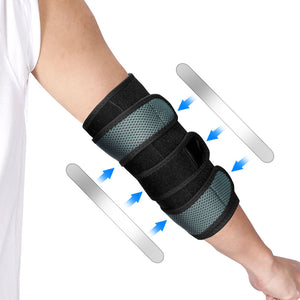
Ulnar Neuropathy Brace
- Black
- Grey
- Blue
- Purple
- Pink
- Black
- Dusty Blue
- Blue
- Pink
- White
- Pink
- White
- Yellow
- Purple
- Black
- Black
- Grey
- Grey
- Black
- Blue
- Grey
- Blue
- Black
- Black
- Blue
Is Ulnar Nerve Neuropathy Curable?
Ulnar nerve neuropathy, frequently referred to as cubital tunnel syndrome or ulnar nerve entrapment, is a common and often frustrating condition. It occurs when the ulnar nerve—which travels from your neck down through your arm and into your hand—becomes compressed, pinched, or irritated, most typically at the inside of the elbow. If you have ever experienced that sharp, jolting sensation of hitting your "funny bone," you have briefly felt your ulnar nerve in action.
When this nerve is chronically compressed, it can cause persistent discomfort. Many people facing this diagnosis immediately wonder: Is ulnar nerve neuropathy curable? The encouraging answer is that, for most people, the condition is highly treatable and symptoms are fully reversible, provided the compression is addressed early. The exact path to a "cure" or complete symptom relief largely depends on the severity of the nerve compression and how long the condition has been present.
Understanding Ulnar Nerve Entrapment Symptoms
To understand how to cure or manage this condition, it is helpful to recognize the early warning signs of a pinched nerve in the elbow. Identifying these symptoms promptly can prevent permanent nerve damage. Common signs of ulnar nerve neuropathy include:
- Numbness and Tingling: A pins-and-needles sensation primarily affecting the ring and little fingers (pinky).
- Elbow Pain: An aching or burning pain on the inner side of the elbow joint, which can sometimes radiate down the forearm.
- Weakness in the Hand: A noticeable decrease in grip strength, making it difficult to open jars, type, or hold objects securely.
- Loss of Coordination: Difficulty performing fine motor tasks, such as buttoning a shirt or playing a musical instrument.
These symptoms often worsen at night or during activities that require the elbow to be bent for extended periods, such as talking on a cell phone, sleeping with curled arms, or driving.
Can Ulnar Nerve Damage Be Reversed?
The prognosis for ulnar nerve neuropathy is generally excellent when caught in its early to moderate stages. The nervous system can heal, but it requires removing the underlying pressure. Acute flare-ups and mild nerve irritation can usually be fully reversed with conservative, non-invasive treatments.
However, if the condition is left untreated for months or years, chronic nerve compression can lead to muscle atrophy (wasting away of the hand muscles) and permanent sensory loss. This is why early intervention is the most critical factor in achieving a complete cure.
Non-Surgical Treatments and Home Remedies
In mild to moderate cases, healthcare professionals typically recommend a conservative approach to alleviate elbow nerve pain and restore proper function.
Rest and Activity Modification
The first line of defense is changing the daily habits that contribute to nerve compression. This means avoiding prolonged elbow flexion (bending the elbow past 90 degrees) and eliminating direct pressure on the inner elbow. Ergonomic adjustments, such as keeping your arms off hard desk edges or chair armrests, can significantly reduce daily nerve irritation.
Physical Therapy and Nerve Gliding Exercises
Targeted physical therapy is highly effective for cubital tunnel syndrome relief. Specific stretching and strengthening routines help relieve pressure on the nerve. Therapists often recommend "ulnar nerve gliding" or "nerve flossing" exercises, which gently encourage the nerve to slide smoothly through the cubital tunnel at the elbow without getting caught or pinched.
The Importance of Proper Elbow Support
Because we cannot control our posture while we sleep, many people unknowingly curl their arms at night, placing maximum stretch and pressure on the ulnar nerve for hours at a time. This is where targeted orthopedic support becomes essential. Utilizing an ulnar neuropathy brace is one of the most effective ways to manage and reverse symptoms.
Designed specifically to immobilize the elbow at a comfortable, neutral angle, this brace prevents the arm from bending excessively. By keeping the elbow relatively straight, the brace opens the cubital tunnel, relieving pressure, minimizing nighttime numbness, and giving the irritated nerve the environment it needs to heal. For individuals who experience intense morning symptoms or have habituated sleeping in a fetal position, incorporating a nighttime brace is often the turning point in their recovery journey.
When is Surgery Necessary for Cubital Tunnel Syndrome?
While conservative methods cure or effectively manage most cases, they may not provide enough relief for everyone. If numbness is constant, muscle wasting has begun, or symptoms persist despite months of dedicated physical therapy and brace usage, more invasive approaches may be required.
Surgical intervention aims to permanently relieve pressure on the nerve. The most common procedures include:
- Cubital Tunnel Release (Decompression): The surgeon cuts and divides the ligament roof of the cubital tunnel, increasing the tunnel size and giving the nerve more room.
- Ulnar Nerve Anterior Transposition: The surgeon moves the ulnar nerve from its natural position behind the elbow to a new position in front of the elbow. This prevents the nerve from catching on the bone ridge or stretching when the elbow is bent.
Surgical outcomes are generally very positive, though recovery requires time, patience, and post-operative rehabilitation to regain full arm strength and flexibility.
Conclusion: Achieving Long-Term Relief
Ulnar nerve neuropathy is a complex but highly manageable condition. While the concept of a definitive "cure" can vary based on individual nerve health and symptom duration, most patients can achieve complete relief and return to normal daily activities without pain or weakness.
If you are experiencing numbness in your fingers or elbow pain, address it immediately. By modifying your activities, doing nerve-gliding exercises, and consistently wearing an elbow splint or brace to prevent nighttime compression, you can create the ideal conditions for your ulnar nerve to heal and function optimally again.