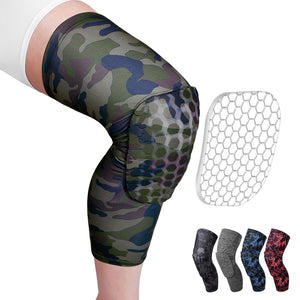
Heelbo Brace
- Black
- Grey
- Blue
- Purple
- Pink
- Black
- Dusty Blue
- Blue
- Pink
- White
- Pink
- White
- Yellow
- Purple
- Black
- Black
- Grey
- Grey
- Black
- Blue
- Grey
- Blue
- Black
- Black
- Blue
How Do I Protect My Elbows from Pressure Sores?
Pressure sores, often called bedsores or decubitus ulcers, are painful skin conditions that develop when prolonged pressure restricts blood flow to a specific area, causing severe tissue damage. While most people associate skin breakdown with the lower back, hips, tailbone, and heels, the elbows are incredibly vulnerable. Because the elbow is a bony prominence with little natural fat or muscle to cushion it, people who spend long hours resting their arms on hard surfaces, armrests, or in a fixed bedbound position are at high risk of developing these painful ulcers.
If you are wondering how to prevent elbow bedsores and maintain healthy skin, implementing a proactive approach is critical. To protect your elbows from pressure sores, focus on pressure management, friction reduction, proper skincare routines, and high-quality cushioning.
Understanding the Causes of Elbow Skin Breakdown
Before exploring preventative steps, it helps to understand why the elbows are so susceptible to skin damage. Bedsores on the elbows primarily develop due to three main factors:
- Continuous Pressure: Staying in one position cuts off vital circulation to the skin and underlying tissues. Without oxygen and nutrients, the skin cells begin to die, leading to an ulcer.
- Friction: When fragile skin rubs repeatedly against bed sheets, clothing, or wheelchair armrests, the top layers of the epidermis can tear away.
- Shear: This occurs when the skin stays in place while the underlying bone and muscle shift. Sliding down in a bed or chair often causes shearing on the elbows.
Effective Strategies to Prevent Elbow Pressure Sores
Preventative action is much easier than treating an existing bedsore. By incorporating the following daily habits and protective measures, you can dramatically lower the risk of elbow skin breakdown.
1. Utilize Targeted Cushioning and Support Garments
One of the most effective, immediate ways to protect vulnerable joints is to add an external layer of soft, reliable cushioning. For example, wearing a [Heelbo brace]() is an excellent way to offload stress from sensitive areas. Although the name implies it is specifically for foot care, a Heelbo brace can be seamlessly adapted for the arms. It provides a comfortable, breathable barrier that minimizes dangerous friction and absorbs the harsh impact of resting against firm surfaces.
If you need bilateral support or want multiple options on hand while washing your daily wear garments, investing in a few pairs of Heelbo braces ensures you never go without vital joint protection. These flexible sleeves stay securely in place without restricting healthy blood flow, making them a strong daily defense against decubitus ulcers.
2. Implement a Strict Repositioning Schedule
Movement is your best defense against restricted circulation. If you are seated in a chair or resting in bed for extended durations, you must actively shift your body weight.
- For individuals in bed: Change your resting position every two hours. Use soft positioning pillows to gently prop up your arms so your elbows "float" rather than press firmly into the mattress.
- For seated individuals: Adjust your posture every fifteen to thirty minutes. Try to avoid constantly leaning your elbows on the armrests or desk tables.
3. Maintain Excellent Skin Hygiene and Moisture
Dry, brittle, or irritated skin is highly susceptible to cracking and tearing. Keeping the skin on and around your elbows clean and well-hydrated builds a stronger natural barrier against friction and pressure.
- Wash the skin gently using a mild, fragrance-free cleanser and pat it dry with a soft towel—never rub vigorously.
- Apply a thick, nourishing moisturizing cream daily to prevent dryness.
- Avoid massaging the actual bony part of the elbow if the skin is already red or warm to the touch, as massaging damaged tissue can actually accelerate a bedsore's progression.
4. Upgrade Your Resting Surfaces
Evaluate the surfaces where you spend most of your time. Standard wheelchair armrests or reading chairs often feature dense, unforgiving materials. You can easily modify your environment by adding specialized gel pads, high-density memory foam cushions, or sheepskin covers to your armrests. Paired with protective wearable sleeves, these environmental upgrades significantly reduce the daily wear and tear on your elbow joints.
5. Focus on Hydration and Nutrition
Skin health starts from within. A diet lacking in vital nutrients leaves the skin weak and slow to regenerate. Consuming a well-balanced diet rich in lean proteins, vitamins A and C, and essential minerals like zinc helps maintain skin elasticity and tissue strength. Also, drinking plenty of water throughout the day helps keep your skin hydrated, plump, and resilient against external pressure.
When to Consult a Healthcare Provider
While at-home preventative care is incredibly effective, it is vital to monitor your skin daily. If you notice a red, purple, or darkened patch of skin on your elbow that does not lighten or return to its normal color within thirty minutes after removing pressure, this is often the first stage of a bedsore.
Individuals with limited mobility, poor circulation, or those who are entirely bedridden should always consult a healthcare provider to establish a personalized, comprehensive care plan. A professional can assess your specific physical needs, recommend advanced pressure-relieving devices, and teach caregivers proper ergonomic body-positioning techniques to reduce joint stress.