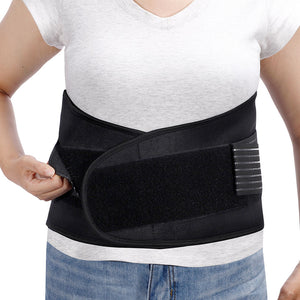
Epicondylitis Clasp
- Black
- Grey
- Blue
- Purple
- Pink
- Black
- Dusty Blue
- Blue
- Pink
- White
- Pink
- White
- Yellow
- Purple
- Black
- Black
- Grey
- Grey
- Black
- Blue
- Grey
- Blue
- Black
- Black
- Blue
What is an Epicondylitis Clasp?
An epicondylitis clasp—frequently referred to in the orthopedic and sports rehabilitation space as a forearm strap, tennis elbow brace, or tendonitis band—is a highly specialized supportive device designed to be worn around the upper forearm, typically sitting just one to two inches below the elbow joint. This ergonomic tool's primary purpose is to evenly distribute pressure across the forearm muscle belly. By applying this targeted force, the device significantly reduces the daily mechanical strain on the injured tendons connected to the epicondyles, the prominent bony projections on the outer (lateral) and inner (medial) sides of the elbow.
Understanding How a Forearm Strap Works
The core function of an epicondylitis clasp is to provide targeted compression and added stability to the forearm's flexor and extensor muscles. When securely fastened, the strap acts as a secondary attachment point for the muscles. This biomechanical offloading absorbs the shock and physical forces that would normally travel up the arm and pull directly on inflamed or damaged tendon tissue.
By stabilizing this area, the clasp helps limit excessive tension on affected muscles during physically demanding activities that might otherwise trigger or worsen tendon inflammation. This offloading effect is particularly crucial for active individuals such as tennis players, golfers, weightlifters, rock climbers, and even professionals engaged in manual labor or repetitive typing. Anyone who frequently performs the kind of repetitive hand, wrist, and arm motions that contribute to the onset of repetitive strain injuries (RSI) can greatly benefit from this targeted joint support.
Managing Lateral and Medial Epicondylitis
Whether you are dealing with lateral epicondylitis (commonly known as tennis elbow) or medial epicondylitis (often called golfer's elbow), this compression device works to calm the irritated tendon. By preventing the tendon fibers from fully expanding to their maximum limit during vigorous muscle contraction, it stops microscopic tissue tears from worsening and accelerates the natural healing process.
Key Benefits of Using an Elbow Support Device
Adding an elbow strap to your daily routine offers a wide range of physical and mental benefits for complete tendon recovery.
Immediate Pain Relief and Restored Mobility
Using an epicondylitis clasp during dynamic activities can drastically reduce the sharp, shooting pains and chronic dull aches associated with severe tendonitis. By reducing this discomfort, users can continue participating in their favorite sports, hobbies, or daily tasks without being sidelined by agonizing joint pain.
The Psychological Edge in Athletic Recovery
Beyond the clear physical and biomechanical benefits, wearing a targeted support strap offers substantial psychological advantages. Athletes, fitness enthusiasts, and highly active individuals often feel more confident and secure when using a reliable compression device. Knowing that the vulnerable joint is actively protected against sudden spikes in tension helps ease performance anxiety. This peace of mind is vital for preventing further injury and maintaining the motivation needed for a smoother, faster recovery.
Proper Fit: How to Wear Your Forearm Support Correctly
To maximize the therapeutic benefits of an epicondylitis clasp, achieving the perfect fit is absolutely essential. Position the device directly over the widest part of the forearm muscle, typically a short distance below the elbow crease.
When securing the strap, it must fit snugly against the skin to provide adequate, firm compression. However, ensure it is not pulled too tightly, as excessive pressure can impede healthy blood circulation, leading to tingling or numbness in the fingers and hand. The ideal, tailored fit offers a reassuring, firm grip on the muscle belly while still permitting a complete, unrestricted range of motion for the entire arm and wrist.
A Holistic, Proactive Approach to Tendon Health
While an elbow strap is a powerful, proactive tool for reducing pain, it works best as part of a broader, well-rounded joint care routine. Combining daily use of your epicondylitis clasp with adequate rest, localized ice therapy to manage acute swelling, and a targeted physical therapy regimen supports optimal tissue healing. By gently stretching and progressively strengthening the forearm over time, you build long-term tissue resilience, helping keep your elbow healthy, functional, and pain-free.