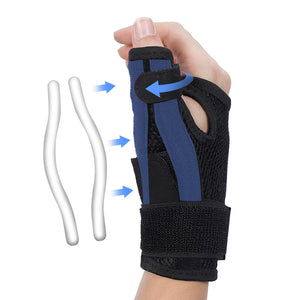
Achilles Brace for Basketball
- Black
- Grey
- Blue
- Pink
- Purple
- Black
- Red
- Blue
- Orange
- Black
- Orange
- Green
- Pink
Can You Play Basketball with Achilles Tendonitis?
If you are an avid hoopster dealing with nagging heel pain, you are likely asking yourself: Can you play basketball with Achilles tendonitis? This common condition is typically triggered by repetitive stress, overuse, or a sudden increase in training intensity—all of which are frequent occurrences on the hardwood. While your competitive spirit might tempt you to lace up your sneakers and play through the discomfort, returning to full-speed, high-intensity basketball too soon can significantly worsen the injury and delay your overall recovery time. We believe that combining a proper, structured rehabilitation routine with reliable athletic support is the safest and most effective way to protect your Achilles tendon and get you back on the court performing at your best.
Understanding Achilles Tendon Pain in Athletes
Before stepping back onto the court, it is essential to understand what is happening in your lower leg. Achilles tendonitis involves the inflammation of the thick band of tissue that connects your calf muscles to your heel bone. In a fast-paced game like basketball, this tendon absorbs an incredible amount of force every time you jump for a rebound, sprint down the court on a fast break, or execute a hard crossover. When subjected to continuous strain without adequate rest, micro-tears can develop, leading to stiffness, swelling, and sharp pain.
If you are experiencing these symptoms, managing the load on your lower body is critical. Ignoring the pain and continuing to play without precautions can lead to a more severe tear or rupture. Therefore, modifying your activity level and integrating proper supportive sports gear into your routine are non-negotiable steps for any athlete looking to maintain their game while managing heel and lower calf pain.
Protect the Achilles During Basketball
To safely navigate a return to athletic activity, targeted joint and tendon protection is paramount. Wearing an Achilles Brace provides targeted compression and structured support that helps drastically reduce the mechanical stress placed on the tendon during running, jumping, and rapid changes of direction.
Beyond physical stabilization, this targeted compression also improves therapeutic warmth around the ankle joint and lower leg. Retaining this body heat may encourage better localized blood circulation, which is vital for reducing stiffness before tip-off and minimizing soreness after the final buzzer. By effectively stabilizing the lower leg and absorbing excess vibrations from hard court surfaces, athletes can move with much greater confidence while minimizing unnecessary and potentially damaging strain on the Achilles tendon.
Enhance Ankle Stability and Reduce High-Impact Stress
Basketball places significant, multi-directional pressure on the lower extremities. With every explosive sprint, sharp pivot, high-flying rebound, and heavy landing, your ankles and heels bear the brunt of your body weight—often multiplied by the force of gravity. To safeguard against aggravation and prevent new injuries, utilizing high-quality basketball ankle braces is a practical game-changer.
These specialized supports are meticulously designed to improve overall joint stability and distribute impact shock more evenly across the foot and lower leg. By doing so, they help limit excessive, unnatural ankle movements—such as overpronation or hyperextension—that may contribute to reinjury. Furthermore, they provide gentle, consistent compression to help manage daily swelling, edema, and discomfort during rigorous training sessions or active recovery periods.
Choose the Right Support for Complete Recovery
While wearing supportive athletic gear is a highly effective strategy for managing Achilles tendonitis, the effectiveness of any brace depends heavily on proper use.
Sizing and Fitting Your Gear
Choosing the correct size and an optimal fit is crucial. A brace that is strapped too tightly may restrict healthy blood circulation and cause numbness or cramping, while one that is too loose will simply fail to provide the adequate, rigid support your lower leg requires during a highly active basketball game. Always consult sizing charts and adjust straps to achieve a snug but comfortable fit.
A Balanced Approach to Rehabilitation
We highly recommend a comprehensive, holistic approach. Combine your supportive athletic gear with dedicated daily stretching routines, calf-strengthening exercises, and a gradual, phased return to basketball rather than jumping straight into full-court, competitive pickup games. Taking the time to properly warm up, cool down, and listen to your body’s signals helps protect the Achilles tendon, improve your on-court athletic performance, and support long-term joint health for seasons to come.