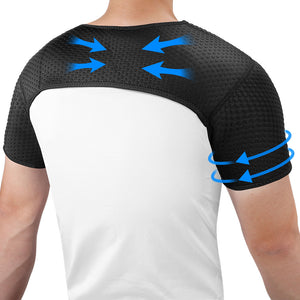
Best Ankle Brace After Surgery
- Black
- Grey
- Blue
- Pink
- Purple
- Black
- Orange
- Green
- Pink
- Black
- Red
- Blue
- Orange
What is the best ankle brace after a walking boot?
Graduating from a walking boot is a massive milestone in your recovery journey, whether you are bouncing back from a severe sprain, a fracture, or an intensive tendon procedure. However, stepping straight back into your regular shoes without the proper transitional support can leave your healing ligaments highly vulnerable. Finding the perfect balance of protection and mobility is crucial to getting back on your feet safely.
So, what exactly should you look for to ensure a seamless transition? Let's dive into the essential qualities you need when selecting the ideal support system for your newly freed ankle.
Key Features to Look for in a Transitional Support
Stability and Support
When you first remove your boot, your ankle will likely feel weak and unstable from a lack of use. You need an option that offers robust structural stability without being as aggressively rigid as a cast. A well-designed support system will prevent excessive rolling (inversion) or twisting (eversion), drastically reducing the chance of a frustrating re-injury. High-quality ankle braces act as a secondary external ligament, providing the confidence and biomechanical support you need to safely start putting full weight on your foot again.
Comfort and Fit
Comfort is an absolute priority. Keep in mind that you will be wearing the best ankle brace after surgery during your daily activities, at work, and potentially during rigorous physical therapy sessions. Seek out soft, breathable, and moisture-wicking materials that will not irritate your sensitive skin or cause excessive heat buildup inside your shoe.
Furthermore, the fit must be perfectly snug but never overly tight or circulation-restricting. Opt for designs featuring adjustable straps, laces, or heavy-duty velcro closures. These customizable elements are incredibly helpful because they allow you to easily adjust the tightness as your foot's swelling naturally fluctuates throughout the morning and evening.
Therapeutic Compression
Swelling is an expected part of the rehabilitation process, but it must be actively managed to restore your full range of motion. Many highly-rated ankle supports are specifically designed to deliver targeted compression. This gentle, consistent pressure is an important feature for the healing process. It helps flush out excess fluid, significantly reducing edema after an injury or operation. By promoting healthy blood circulation, compression delivers vital oxygen and nutrients to damaged soft tissues, encouraging a much quicker, more efficient recovery timeline.
Flexibility and Controlled Range of Motion
While robust protection is non-negotiable, you absolutely do not want to completely immobilize the joint—that was the walking boot's job! The ideal transitional aid allows for safe, limited ankle movement. This controlled mobility is crucial for rebuilding atrophied muscle strength, improving your proprioception (your body's spatial awareness), and restoring normal joint flexibility over time. The right support moves dynamically with your body, aiding your physical therapy milestones rather than hindering your natural walking gait.
How to Safely Transition Out of Your Boot
Finding the right supportive gear is only half the battle; how you integrate it into your daily routine matters just as much. Here are a few highly recommended tips for navigating this crucial recovery phase:
- Ease Into It Gradually: Do not ditch the boot entirely on day one. Start by wearing your new support for just a few hours indoors, gradually increasing your wear time as your tolerance, balance, and strength improve.
- Pair with Proper Footwear: Always wear your support with stable, well-cushioned athletic shoes. Avoid flat sandals, high heels, or walking entirely barefoot around the house until your rehabilitation is fully complete.
- Listen to Your Body: Some muscle stiffness is normal as you regain mobility, but sharp pain is a warning sign. If you experience intense discomfort, scale back your daily step count and give your body the rest it demands.
Transitioning back to your normal, active lifestyle requires patience, dedicated rehabilitation, and the right equipment. By prioritizing uncompromised stability, custom comfort, active compression, and dynamic flexibility, you can confidently take your next steps toward a full, healthy recovery.