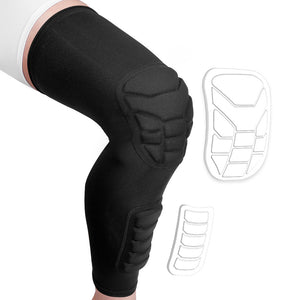
Best Ankle Compression Sleeve For Swelling
- Black
- Grey
- Blue
- Pink
- Purple
- Black
- Red
- Blue
- Orange
- Black
- Orange
- Green
- Pink
Should You Compression Wrap a Swollen Ankle?
Yes. You can, and generally should, wrap a swollen ankle with a compression bandage. Applying localized pressure to an injured joint is a fundamental step in standard first aid and injury recovery. Whether you are dealing with a mild sprain, a sports-related strain, or general fluid retention, utilizing an elastic bandage or a supportive garment can significantly accelerate your healing timeline.
Below, we break down exactly how compression therapy works to heal an ankle injury and explore the key benefits of adding it to your recovery routine.
The Science of Ankle Compression
When you injure your ankle, your body's natural inflammatory response sends extra blood and fluid to the affected area to protect it and begin the healing process. While this is a natural biological reaction, excessive swelling (edema) can cause stiffness, throbbing, and delayed mobility.
Compression acts as a gentle, continuous physical barrier. By applying targeted external pressure, you are effectively managing the inflammation, ensuring the swelling does not become so severe that it hinders your recovery.
Key Benefits of Wrapping a Swollen Ankle
Rapid Reduction of Swelling
The primary reason to use compression wraps is to physically manage and reduce swelling. The wraps apply firm, consistent pressure to the swollen area around the ankle joint. This external pressure mechanically pushes the excess fluid accumulated in the soft tissues back into the bloodstream and lymphatic system.
By actively facilitating the drainage of this fluid, the visible puffiness of the ankle can be rapidly decreased. Furthermore, keeping the joint wrapped prevents further fluid buildup by limiting how much fluid can seep into the tissues from surrounding blood vessels. This stabilization of swelling is the vital first step in initiating a fast and successful recovery process.
Enhanced Joint Stability
A swollen ankle is inherently weaker and much more prone to accidental movements or re-injury. When the ligaments are overstretched, your joint loses its natural proprioception and balance. Wearing a well-fitted ankle wrap brace provides a robust, supportive structure around the fragile joint, holding it securely in place.
This added structural integrity helps to restrict excessive or abnormal movements, such as unexpected twisting, rolling, or bending, that could exacerbate the existing injury. By preventing additional damage to the ligaments, muscles, tendons, or bones in the ankle area, compression provides a necessary sense of security. This stability is particularly important when you begin transitioning back to bearing weight, allowing for more confident and controlled mobility as you heal.
Effective Pain Relief
Swelling often equals pain. As fluid builds up in your ankle, it creates intense internal pressure on sensitive nerve endings and damaged tissues. By reducing this swelling, a compression wrap directly alleviates the painful pressure placed on these internal structures.
This reduction in inflammation can lead to a significant drop in overall pain levels, making it much more bearable to perform light daily activities, sleep, or simply rest comfortably on the couch. Additionally, the physical support a wrap offers helps to distribute your body's weight more evenly across the ankle when standing or walking. This reduces the acute strain on the most painful areas, serving as an excellent, non-invasive method for natural pain management.
Improved Blood Circulation
Appropriate, well-applied compression does wonders for your localized vascular system. The targeted pressure from the wrap encourages deoxygenated blood to flow back towards the heart much more efficiently.
This enhanced venous return is highly beneficial because it clears the way for fresh, oxygen-rich blood and vital nutrients to be delivered straight to the damaged tissues, promoting faster cellular repair. Improved circulation also facilitates the rapid removal of metabolic waste products from injured tissues. By clearing out these inflammatory byproducts, the overall healing process of the swollen ankle is noticeably accelerated.
Tips for Safely Wrapping Your Ankle
To get the most out of your compression routine and avoid unintended complications, keep the following best practices in mind:
- Start at the Toes: When applying a traditional wrap, begin near the base of your toes and work your way up the foot and past the ankle joint. This forces the fluid upwards and out of the foot.
- Use the Figure-Eight Method: Wrap in a figure-eight pattern around the foot and lower leg to ensure even pressure distribution and maximum joint support.
- Check the Tightness: The wrap should feel comfortably snug, but never restrictive. If your toes begin to tingle, feel numb, or turn slightly blue or cold, the wrap is cutting off your circulation. Remove it immediately and reapply with less tension.
- Give It a Rest: While compression is vital during the day when you are upright, it is generally recommended to loosen or remove the wrap while sleeping to allow the skin to breathe and blood to flow naturally without resistance.
By combining compression with proper rest, ice, and elevation, you can conquer swelling, protect your joint from further harm, and get back on your feet faster than ever.