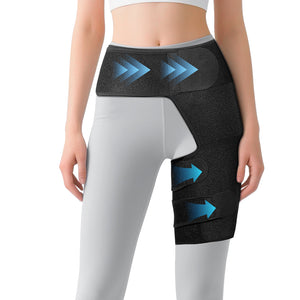
Best Ankle Wrap
- Black
- Grey
- Blue
- Pink
- Purple
- Black
- Orange
- Green
- Pink
- Black
- Red
- Blue
- Orange
Should You Wrap a Weak Ankle?
Experiencing joint instability can make everyday movements feel uncertain and risky. If you frequently roll your foot, struggle with chronic instability, or have a history of repeated sprains, you might wonder about the most effective ways to protect yourself. Ankle wrapping is a highly recommended method known for delivering targeted compression, improving overall support, and significantly reducing swelling.
When you wrap a weak ankle, the sustained pressure helps maintain proper joint alignment and stability. This physical cue is especially vital during demanding physical activities, sports conditioning, or even long walks, where the risk of a sudden, painful twist is elevated. A proper compression wrap also promotes optimal blood circulation in the lower extremities, which speeds natural recovery and helps flush out localized inflammation.
Finding the Right Fit for Optimal Joint Stability
Choosing the right supportive gear is essential to maximizing both injury protection and daily comfort. The ideal solution must strike a perfect harmony between firm compression and dynamic flexibility. When you are looking to invest in the best ankle wrap for your specific needs, look for designs with adjustable tension. Customizable closures let you precisely control the tightness of the support, ensuring you don't inadvertently cut off vital circulation to your foot.
A high-quality wrap provides strong support while still allowing a healthy range of motion. Restricting your foot entirely can lead to joint stiffness and, over time, weaken the surrounding ligaments, making flexibility a critical component of any effective protective wear.
Essential Features of Effective Compression Wraps
Modern wraps frequently incorporate advanced design elements engineered for prolonged comfort and improved performance. When browsing your options, prioritize the following features:
- Breathable Fabrics: Moisture-wicking materials prevent the wrapped area from becoming excessively sweaty, hot, or irritated during intense exercise.
- Adjustable Fasteners: Secure hook-and-loop straps ensure the material stays firmly in place without slipping down your leg as you move.
- Ergonomic Contouring: A wrap should contour cleanly to the anatomy of your heel and arch to avoid bulky bunching inside your shoes.
Verify that the wrap fits snugly; however, it should never cause numbness, throbbing, or sharp pain. This precise, anatomical fit helps protect against future injuries while delivering the everyday comfort needed for a highly active lifestyle.
Best Practices: How Long Should You Keep Your Ankle Wrapped?
While utilizing a compression bandage offers tremendous benefits for injury prevention and rehabilitation, it is essential to employ it strategically rather than constantly. You don't need to keep the wrap on from morning until night. In fact, wearing supportive gear around the clock can make your stabilizing muscles overly reliant on external help, potentially leading to further weakness and muscle atrophy.
If you are resting at home, sleeping, or doing low-impact activities that do not put undue stress on your lower body, it is perfectly safe—and often beneficial—to remove the wrap. Letting the joint move freely during rest periods encourages natural mobility and helps maintain strength.
Always listen closely to your body's feedback. If you experience a localized throbbing sensation, tingling in your toes, or generalized discomfort while the wrap is applied, it clearly indicates the compression is too tight and needs immediate adjustment.
Strengthening and Long-Term Care
View wrapping as one beneficial part of a comprehensive approach to joint health. To truly overcome chronic instability, pair your compression therapy with targeted strengthening routines. Physical therapy movements such as calf raises, resistance band flexes, and single-leg balance training can significantly strengthen the tendons, ligaments, and muscles around the joint.
By combining proactive physical conditioning with the strategic use of an adjustable wrap, you can confidently navigate your daily routine and favorite athletic pursuits without the constant anxiety of rolling or spraining your ankle.