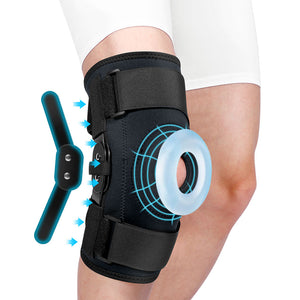
Types of Ankle Braces
- Black
- Grey
- Blue
- Pink
- Purple
- Black
- Red
- Blue
- Orange
- Black
- Orange
- Green
- Pink
What Type of Ankle Brace Do I Need?
Whether you have recently rolled your ankle during a weekend basketball game, stepped off a sidewalk awkwardly, or are dealing with chronic joint instability, finding the right ankle support is an essential step toward recovery. Ankle braces are vital tools designed to stabilize the joint, prevent future injuries, reduce swelling, and promote proper healing.
However, with so many styles and designs available on the market today, selecting the correct option can feel overwhelming. Choosing the right fit is crucial for achieving both adequate support and daily comfort. By understanding the distinct types of ankle braces available, you can easily match your specific condition and lifestyle needs to the perfect protective gear.
Here is a comprehensive breakdown of the most common ankle supports and how to determine which one is right for you.
Understanding Your Ankle Support Needs
Before purchasing a brace, you must evaluate your current physical condition. Are you recovering from a severe fracture, dealing with a mild sprain, or looking for preventative support to wear inside your athletic shoes? The level of immobilization you require will dictate the category of brace you should choose.
1. Rigid Ankle Braces: Maximum Immobilization
Rigid braces offer the highest level of support and stability available outside of a traditional cast. Constructed from hard plastic, fiberglass, or firm composite shells, these braces often encompass both sides of the ankle to completely restrict side-to-side movement (inversion and eversion).
When to choose a rigid brace:
- Post-Surgery Recovery: These are highly recommended during the rehabilitation phase following surgery.
- Severe Sprains and Fractures: If you have suffered a Grade 3 sprain or a hairline fracture, a rigid design keeps the joint entirely immobilized to allow for structural healing.
- Transitional Healing: They are often the first step down from a walking boot.
2. Semi-Rigid Ankle Braces: The Perfect Balance
Semi-rigid braces act as the middle ground between complete immobilization and free movement. These supports blend soft, breathable fabrics with firm structural elements, such as plastic or metal stay supports built into the sides. This hybrid design maintains correct ankle alignment while preventing dangerous twists.
When to choose a semi-rigid brace:
- Active Lifestyles: They are ideal for individuals who need robust support but still want to engage in physical activities like running, hiking, or gym workouts.
- Moderate Sprains: Perfect for Grade 1 or Grade 2 sprains where you need lateral stability but require enough flexibility to walk normally.
- Chronic Instability: Excellent for daily wear if you have weak ankles prone to rolling.
3. Lace-Up Ankle Braces: Customizable Athletic Fit
Lace-up braces look and function similarly to a tightly laced high-top shoe. Featuring a corset-style lacing system, these braces allow you to micro-adjust the tension and tightness to match your exact foot shape and swelling level. Many also feature additional figure-eight strapping systems for enhanced lockdown.
When to choose a lace-up brace:
- High-Impact Sports: They are overwhelmingly popular among basketball, volleyball, and tennis players who need to prevent injuries during rapid directional changes.
- Fluctuating Swelling: Because you can adjust the laces, this style accommodates ankles that may swell during the day and reduce in size overnight.
- Footwear Compatibility: They fit seamlessly into standard athletic cleats and sneakers without adding excessive bulk.
4. Elastic Ankle Braces and Sleeves: Lightweight Compression
Elastic braces—often referred to as compression sleeves—are crafted from stretchy, breathable, and lightweight materials. Instead of using hard plastics to restrict movement, they use targeted compression to support the joint, improve blood circulation, and reduce inflammation.
When to choose an elastic brace:
- Mild Strains and Aches: Ideal for minor tweaks, general ankle fatigue, or managing arthritis pain.
- Injury Prevention: Excellent for athletes or runners seeking a basic layer of joint awareness (proprioception) to prevent rolling an ankle during play.
- All-Day Comfort: Their sleek profile allows them to be worn comfortably under socks and standard work shoes during walking or light daily exercise.
5. Functional and Hinged Ankle Braces: Return to Play
Functional ankle braces are specifically engineered for dynamic movement. Utilizing a hinged mechanism at the ankle bone, these braces allow for completely unrestricted up-and-down foot movement (plantar flexion and dorsiflexion) while strictly blocking the side-to-side motions that cause sprains.
When to choose a functional hinged brace:
- Returning to Sports: Designed specifically for athletes recovering from an injury who have been cleared to return to high-activity levels but still need heavy-duty protection.
- Long-Term Joint Protection: Great for people who have suffered repeated ankle injuries and want peace of mind without sacrificing their natural running stride or jumping ability.
Key Factors to Consider When Buying
Once you have identified the right category of ankle support, keep these essential factors in mind to ensure you get the most out of your purchase:
- Proper Sizing: An improperly sized brace will either cut off circulation or fail to provide stability. Always consult the specific sizing chart for your chosen support, measuring the circumference of your ankle and noting your standard US shoe size.
- Shoe Compatibility: Consider the footwear you wear most often. Rigid supports may require a slightly looser or wider shoe, while elastic sleeves and lace-up designs fit comfortably inside standard athletic sneakers.
- Breathability: If you plan on wearing your support during heavy exercise or long work shifts, look for moisture-wicking materials like neoprene blends or knit fabrics to prevent skin irritation and odor buildup.
Taking the time to evaluate your unique injury, activity level, and lifestyle will guarantee you find the perfect fit to keep you moving forward safely and comfortably.